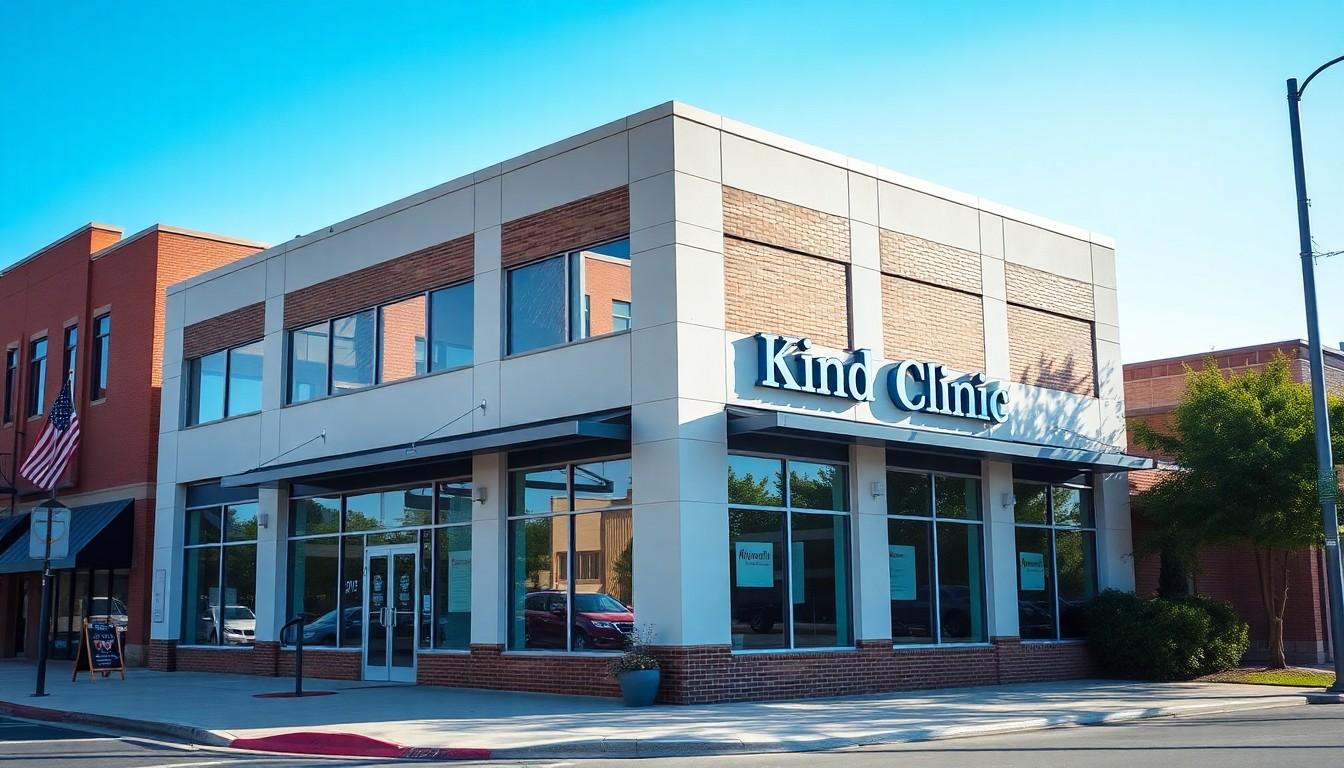
People in Central Texas who are uninsured or underinsured are getting more support finding affordable healthcare, as Kind Clinic uses a new grant to strengthen insurance guidance for LGBTQIA+ people and those affected by HIV. The funding arrives as rising costs and changing ACA support make coverage harder to secure and maintain.
Essential Takeaways
- New funding: St. David’s Foundation has awarded Texas Health Action a $500,000 grant.
- Who it helps: The programme focuses on uninsured and underinsured LGBTQIA+ people and people impacted by HIV.
- What support includes: Patients can get help with insurance enrolment, premiums, medicines and laboratory costs.
- Why it matters: Around 60% of Kind Clinic patients were uninsured in 2025, according to Texas Health Action.
- Practical timing: Assistance is particularly important during ACA open enrolment, which begins on 1 November.
A major boost for affordable healthcare access
Kind Clinic is expanding its insurance support after Texas Health Action received a $500,000 grant from St. David's Foundation. The money will fund the Kind Patient Assistance Program, which helps people navigate health insurance and the often-confusing costs that sit behind a medical appointment. Texas Health Action announced the award as healthcare expenses continue to climb across the US. [2], [6]
The programme is now entering its fifth year, offering practical guidance during Affordable Care Act open enrolment. That can mean help comparing plans, understanding eligibility and working out how insurance may cover testing, treatment and medication. For patients already worried about a bill, that kind of calm, one-to-one support can be just as valuable as the policy itself. [3], [4]
Why insurance support matters so much in Central Texas
The need is particularly visible among Kind Clinic patients. Texas Health Action reported that roughly 60% were uninsured in 2025, more than twice the statewide rate at the time. In the same year, almost 900 patients received financial assistance, with close to $600,000 used towards insurance premiums. [5]
Those figures show why simply offering healthcare isn't always enough. Premiums can be daunting, while prescription charges, laboratory fees and follow-up care may create fresh hurdles after someone has secured a plan. Texas Health Action says its broader goal is to bring the proportion of uninsured Kind Clinic patients closer to the statewide pattern. [3], [5]
What the Kind Patient Assistance Program covers
The support goes beyond signing someone up for a policy. Kind Patient Assistance Program staff can help patients understand coverage for laboratory services, HIV prevention medication such as PrEP and PEP, and ongoing HIV care. The programme can also assist with premiums, medication costs and laboratory expenses. [2], [4]
That wider approach matters because healthcare rarely arrives as one neat charge. A person may need testing, a prescription and repeat monitoring within a short period, and each step can carry its own cost. Kind Clinic's model recognises that staying well depends on making the whole pathway manageable, not just opening the front door. [4], [5]
ACA changes are adding pressure
Texas Health Action has warned that higher medical costs, rising uninsured rates and the end of enhanced ACA subsidies could make access more difficult. National marketplace enrolment has also fallen after those enhanced subsidies expired, while Texas recorded a four per cent year-on-year decrease in marketplace enrolment. [2]
For anyone seeking affordable LGBTQIA+ healthcare or HIV prevention support, timing is important. ACA open enrolment starts on 1 November, so gathering income details, checking eligibility and asking about financial assistance early could save a great deal of last-minute stress. A clinic adviser can also help patients look beyond the headline premium and examine deductibles, laboratory cover and prescription costs. [2], [6]
A practical safety net, not just a signposting service
Texas Health Action says patients regularly express concern about how they'll pay for essential care. Its chief executive, Christopher Hamilton, described the grant as an important way to connect more people with insurance while continuing to support premiums, medicines and laboratory bills, according to the organisation's announcement. [2]
St. David's Foundation's backing also reflects a wider shift in grantmaking towards practical economic stability and improved access to essential services. For patients, that may sound like policy language, but the impact is tangible: fewer delays, clearer choices and a better chance of continuing treatment. Healthcare is complicated enough without making people solve the financial puzzle alone. [6], [7]
If you need help, contacting Kind Clinic or Texas Health Action before choosing a plan is a sensible first step. The right support can turn an intimidating enrolment process into a workable route to care. [3], [4]
It's a small but meaningful move towards making essential healthcare easier to reach.
Source Reference Map
Story idea inspired by: [1]
Sources by paragraph: