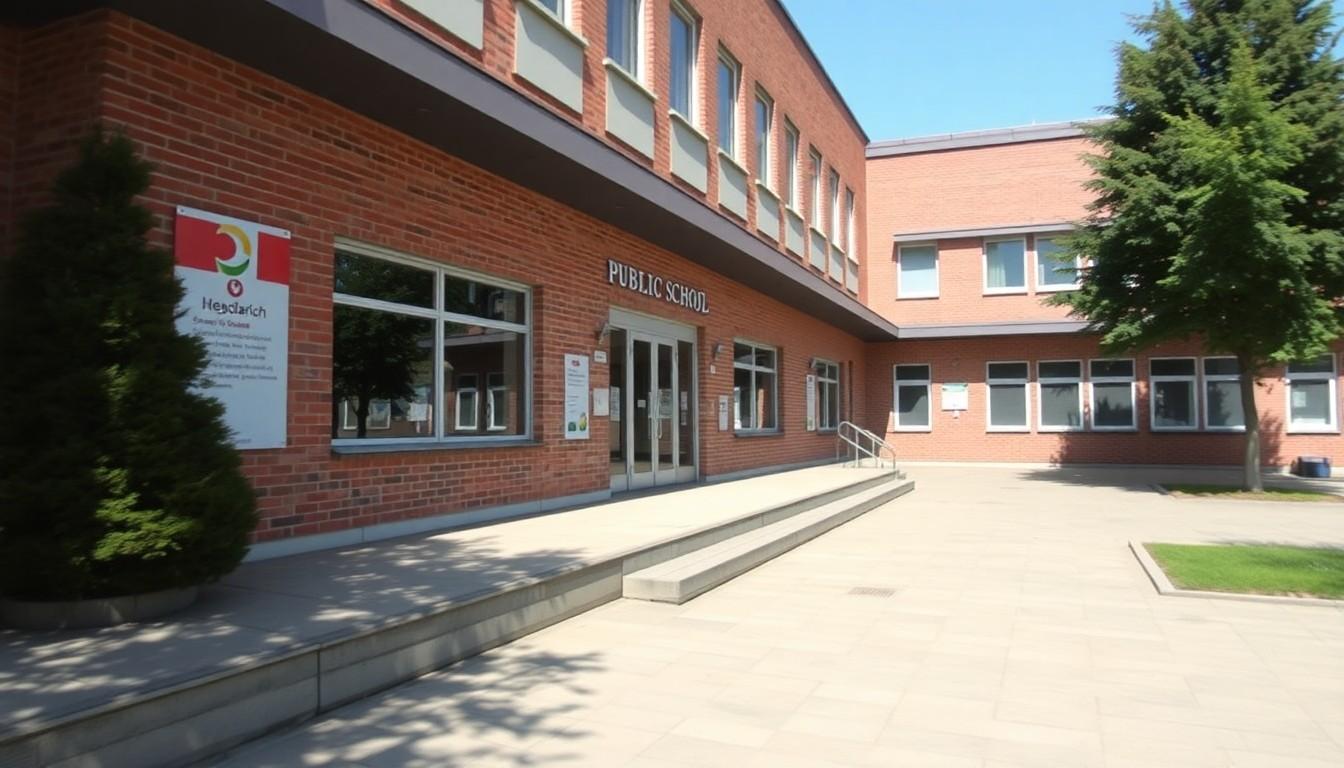
Parents in Hungary are seeking clarity after parliament approved changes to the country’s child-protection framework, removing several anti-LGBTQ provisions from the earlier law. The vote has triggered sharply different reactions, with supporters calling it a legal correction and critics warning that schools could now host programmes parents haven’t approved.
Essential takeaways
- Parliament has changed the framework: Hungary’s lawmakers approved amendments affecting the previous child-protection rules.
- The vote was contentious: The legislation passed with 139 votes in favour and 51 against, according to reports.
- Parents want practical answers: Concerns centre on consent, school activities and what information families should receive.
- The political divide remains sharp: Supporters and opponents describe the changes in radically different terms.
- Legal pressure played a role: The amendments followed European legal developments concerning Hungary’s earlier rules.
A vote that has reopened Hungary’s culture-war debate
The most immediate question for families is simple: what can happen in a school or nursery without a parent’s prior agreement? That concern has become politically charged after Hungary’s parliament approved revisions to its child-protection law, with opponents portraying the changes as a gateway for LGBTQ organisations and gender-related campaigning.
International coverage from Euronews and Metro Weekly says the amended legislation removes anti-LGBTQ provisions associated with the Orbán-era framework. The change has been welcomed by those who argued that the earlier rules restricted expression and conflicted with European legal principles, but it has alarmed conservative politicians and campaigners.
The result is a familiar Hungarian political flashpoint, only this time it’s landing directly in the classroom.
What has actually changed?
The legal amendment followed a European Court of Justice ruling concerning Hungary’s obligations under EU law. CMS explains that the new framework rewrites parts of the child-protection legislation in response to the court’s findings, while the Urania Institute describes the move as a repeal of the earlier anti-LGBT provisions.
That doesn’t automatically mean every school can invite any organisation to speak to pupils whenever it chooses. Schools still operate within wider education, safeguarding and parental-rights rules, and the practical effect will depend on how the legislation is interpreted and implemented.
Still, the change matters because it removes specific barriers that previously limited LGBTQ-related content and activity. For parents, that makes transparency more important, particularly around the age of pupils, the purpose of a session and whether participation is compulsory.
Why parents are asking about consent
Local politician Bálint Nagy said several parents had contacted him with concerns about possible awareness-raising sessions in educational institutions. He said he understood those worries as a father of two and invited families to submit questions anonymously for him to take to parliament.
That offer reflects a broader uncertainty: many parents aren’t necessarily asking for a political argument, but for basic information. They want to know who is delivering a session, what materials will be used, whether it forms part of the curriculum and what options exist if they object.
A sensible first step is to contact the school in writing. Ask for the programme title, organiser, learning objectives, age suitability and consent arrangements. Keeping the request calm and specific is more likely to produce a useful answer than relying on social-media claims, where the temperature tends to rise faster than the facts.
Two very different accounts of the same law
The KDNP has launched an online petition claiming that the amendment opens schools to LGBTQ organisations and allows children to be exposed to gender-related material without their parents’ knowledge. Brussels Signal and Pollar News also describe the parliamentary change as a significant retreat from Hungary’s previous anti-LGBTQ legislation, although their framing reflects different political perspectives.
The disagreement isn’t only about wording. It’s about whether removing restrictions should be understood as restoring equal treatment or weakening child safeguards. Supporters say the old provisions were discriminatory and legally untenable, while opponents call the revision a concession made under pressure from Brussels.
That contrast is worth bearing in mind when reading headlines. A law may remove a prohibition without creating an automatic right for outside groups to enter schools, and political claims about “propaganda” don’t by themselves establish what a particular school programme contains.
What families should watch next
The next important details are likely to come from regulations, official guidance and school-level policies. Parents should look for information about notification procedures, opt-out arrangements, safeguarding checks and whether activities are delivered by teachers or external organisations.
Schools, meanwhile, will need to communicate clearly if they want to avoid turning a legal change into a fresh trust problem. A short, plain-language notice can answer most of the questions families have before rumours fill the gap.
For children, the argument is ultimately less abstract. They need safe classrooms, age-appropriate teaching and adults who can explain disagreements without turning them into fear. Hungary’s new law may have settled one legal dispute, but it hasn’t settled the public conversation.
It's a small but important distinction: changing the law isn't the same as removing the need for openness.
Source Reference Map
Story idea inspired by: [1]
Sources by paragraph:
- Paragraph 1: [2], [5]
- Paragraph 2: [4], [5]
- Paragraph 3: [6], [7]
- Paragraph 4: [3], [2]
- Paragraph 5: [3], [5]
- Paragraph 6: [2], [4]
- Paragraph 7: [6], [7]
- Paragraph 8: [5], [6]
- Paragraph 9: [3], [4]
- Paragraph 10: [2], [5]
- Paragraph 11: [3], [6]
- Paragraph 12: [4], [7]
- Paragraph 13: [2], [3]
- Paragraph 14: [5], [6]
- Paragraph 15: [3], [7]