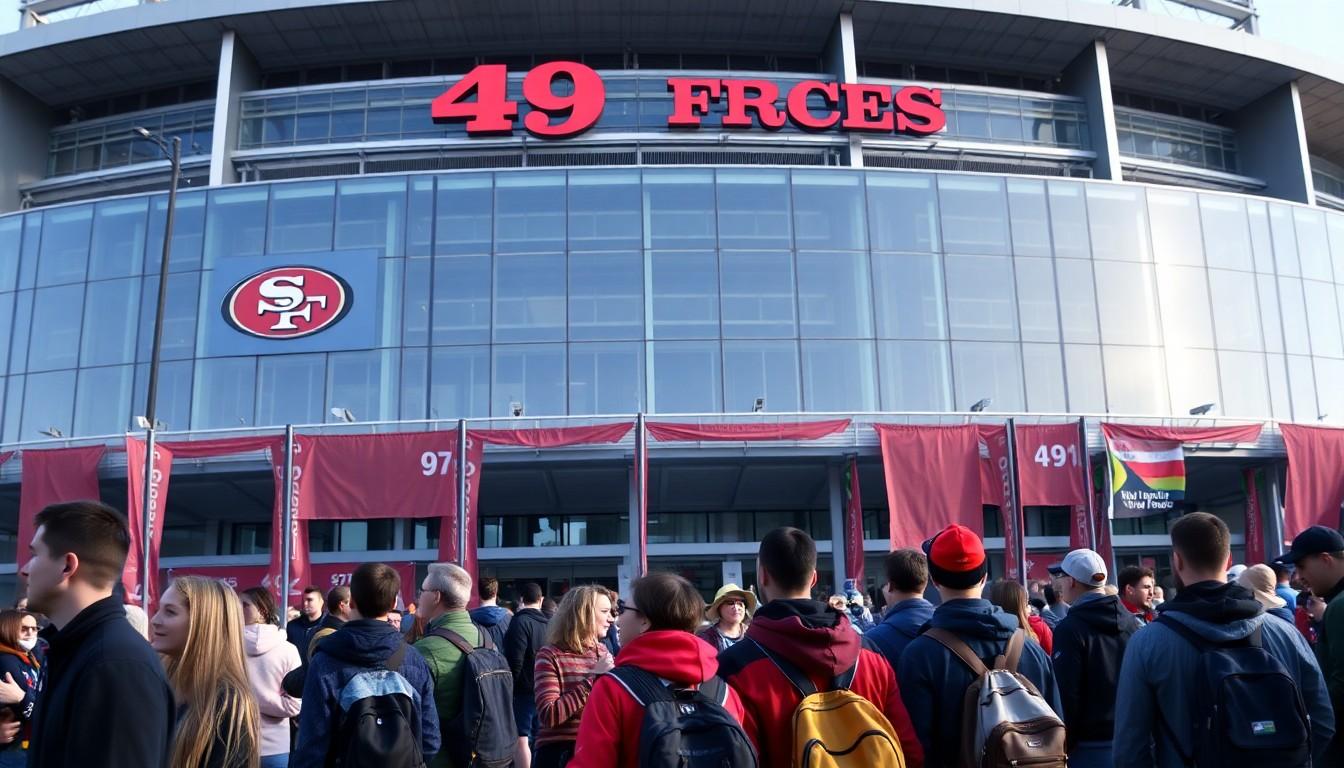
Fans are still looking for welcoming spaces in sport, and the San Francisco 49ers offered one with 49ers Pride, the NFL's first officially team-backed LGBTQ+ fan community. Announced with players Richard Sherman and George Kittle, the initiative combined match-day belonging, community events and fundraising with a clear message: every supporter should feel at home in the red and gold.
Essential Takeaways
- A league first: 49ers Pride was presented as the first NFL team-sanctioned LGBTQ+ fan community.
- Players backed the launch: Richard Sherman and George Kittle appeared in the announcement, giving it extra visibility.
- More than match days: Members could join watch parties, social events and community activities.
- Money followed the message: Special merchandise was intended to support LGBTQ+-focused non-profit organisations.
- A deeper legacy: The initiative connected with the 49ers' history, including former player Dave Kopay's place in LGBTQ+ sporting history.
A fan group with real visibility
The most striking part of 49ers Pride wasn't simply its name. It was who helped introduce it. Sherman and Kittle spoke directly to supporters, turning an administrative announcement into something warmer and more personal. According to Outsports, the players' involvement gave the launch added meaning at a time when openly gay NFL players remained absent from team rosters.
The message was straightforward: allegiance to the 49ers shouldn't depend on a fan's identity. That matters in a sport often associated with loud rivalries, hard edges and sometimes uncomfortable terrace culture. A team telling supporters, clearly and publicly, that they belong can change the feel of a stadium before a single whistle is blown.
What 49ers Pride offered supporters
The initiative was designed as an active community rather than a logo placed on a campaign. Fans could sign up for watch parties, social gatherings and opportunities to take part in San Francisco Pride alongside team staff. That mix of football and real-world community work made the idea feel less like a one-week celebration and more like an ongoing relationship.
The team also said special-edition merchandise would be available, with proceeds supporting LGBTQ+-focused non-profits. According to the 49ers' announcement reported by Outsports, the organisation had already donated almost $150,000 to local causes since 2005, including GLAAD and the San Francisco LGBTQ Center. Those practical details matter because fans tend to notice whether inclusion stops at a slogan or reaches the till, the community centre and the calendar.
The 49ers had already built a wider LGBTQ+ connection
There was history behind the launch. Dave Kopay, who played for San Francisco in the 1960s, later became one of the first professional American football players to come out publicly. The 49ers' decision to recognise his story helped place 49ers Pride within a longer, sometimes difficult sporting journey.
The franchise also had a notable figure on its coaching staff. Katie Sowers became the NFL's first openly LGBTQ+ coach, a milestone covered by Sports Illustrated and CBS Sports. Her presence offered an important reminder that representation in sport isn't limited to the players who appear under the brightest lights.
Why team-backed fan communities matter
Some clubs had hosted LGBTQ+ viewing parties or isolated events, but an officially recognised fan group carried a different weight. It gave supporters a named community, a route into team activity and a visible signal that inclusion was part of the organisation's identity rather than an occasional marketing theme.
That distinction is useful beyond American football. In any sport, fans want to know where they can meet others, attend events without second-guessing the atmosphere and support a club that understands the difference between visibility and tokenism. A scarf or social post is pleasant; sustained access and participation are much more meaningful.
A small change with a lasting effect
The launch also showed why public support from high-profile players can matter. Sherman and Kittle weren't speaking from the margins of the organisation; they were established names whose participation helped normalise the idea for the wider fan base. That kind of endorsement can make a new group feel less like a niche corner and more like part of the club's main story.
Of course, one initiative can't solve every problem in sport. But welcoming spaces are built from repeated signals, practical opportunities and people willing to stand beside them. For many supporters, that can be the difference between watching from the sidelines and feeling that the team is genuinely theirs.
It's a simple idea, but a powerful one: every fan should have a place in the stands.
Source Reference Map
Story idea inspired by: [1]
Sources by paragraph: