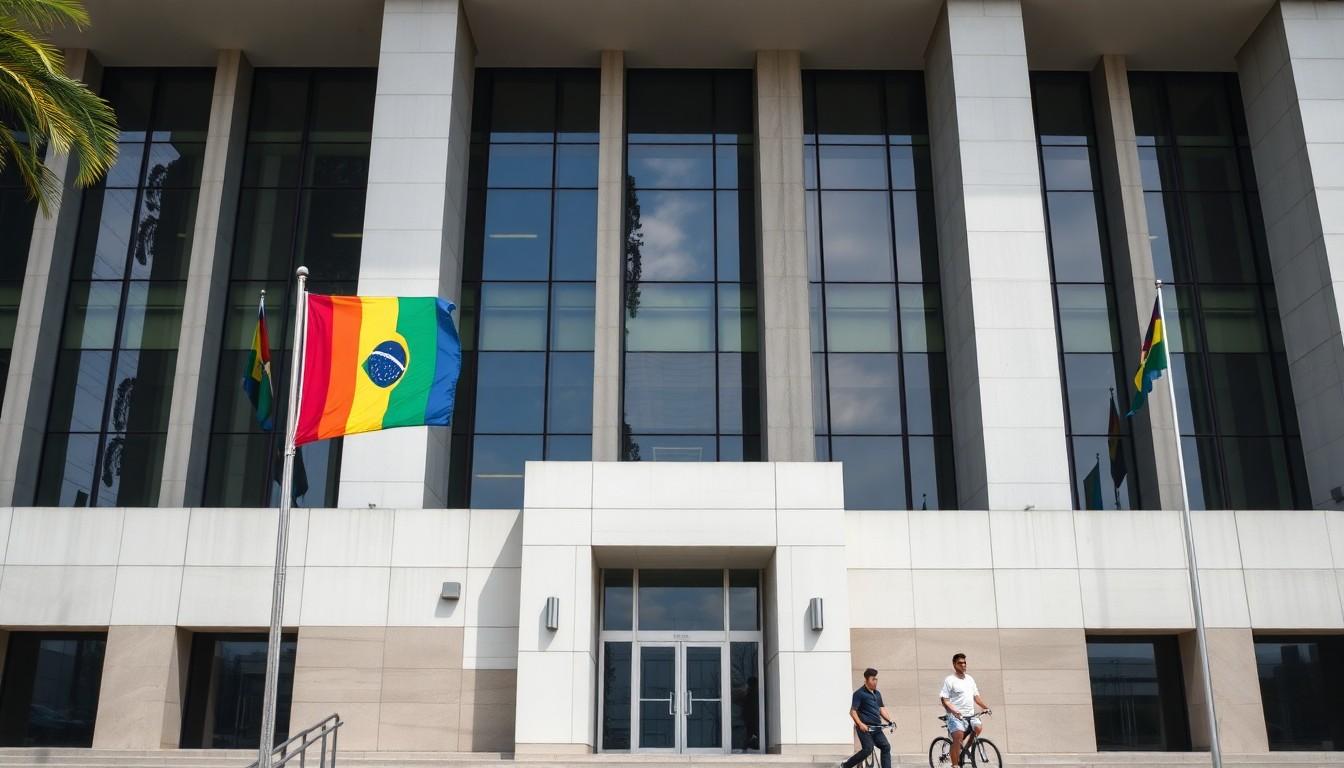
Voters in Brazil have delivered a striking boost for LGBTQ political representation, with dozens of candidates winning seats and a record number set to enter Congress. The result matters well beyond Brasília, offering a glimpse of how visibility, grassroots organising and electoral momentum are reshaping public life across Latin America's largest democracy.
Essential Takeaways
- Record representation: Brazil is set to have 14 openly LGBTQ members of Congress.
- Major electoral gains: Thirty-five LGBTQ candidates won races in the election.
- Historic result: Erika Hilton secured nearly 1.6 million votes, a record for a female Brazilian congresswoman.
- Wider significance: The gains come amid a tense political climate and renewed scrutiny of Jair Bolsonaro's legacy.
- A diverse breakthrough: The winners include transgender, travesti, lesbian, bisexual and gay politicians.
A record-breaking moment for LGBTQ voters
Brazil's latest election has produced a powerful image of political change: 14 openly LGBTQ lawmakers are expected to take their seats in Congress. According to the Washington Blade, that will be the highest number in any country in the Americas, a milestone that gives the result genuine regional weight.
The wider picture is just as notable. Thirty-five LGBTQ candidates won their respective races, suggesting this wasn't a single headline-making upset but a broader movement across parties and states. For voters who've often seen politics as something done to them rather than with them, that shift must feel both tangible and long overdue. [2]
Erika Hilton leads a wave of breakthroughs
Among the most prominent winners is Erika Hilton, a travesti politician from the left-wing Socialism and Liberty Party. She won re-election with almost 1.6 million votes, the largest total ever recorded by a female member of Brazil's Congress.
Her result is more than a personal triumph. It shows that LGBTQ candidates can build substantial support beyond a narrow identity vote, combining representation with recognisable positions on social justice and public services. In a country of Brazil's size and complexity, that kind of mandate carries real political muscle. [2]
Thabatta Pimenta also made history by becoming the first transgender woman from northeastern Brazil elected to represent Rio Grande do Norte in the Chamber of Deputies. Guilherme Cortes, a bisexual politician from Sao Paulo state, and Rick Azevedo, a gay politician from Rio de Janeiro state, were among the other successful congressional candidates. [2]
From local councils to the national stage
The election also highlights how representation is built from the ground up. Pimenta's earlier work as a municipal councillor in Natal helped establish a public profile before her move towards national politics, illustrating why local government remains such an important route into higher office.
Samanda de Lula, a lesbian member of the Workers' Party, is set to represent Rio Grande do Norte in the Senate. Her success adds another layer to the story, because LGBTQ representation isn't limited to one chamber, one region or one political tradition.
The Urania Institute's coverage of Brazil's election results also points to the importance of tracking representation across different levels of government, rather than focusing only on presidential contests. National visibility matters, but durable change often begins in council rooms, state assemblies and constituency offices, where residents encounter politicians face to face. [2]
Why the political climate matters
These gains arrived during a fiercely polarised election. Luiz Inácio Lula da Silva faced a second-round presidential contest against Flavio Bolsonaro, while the country's politics remained deeply shaped by the previous administration and its treatment of minority communities.
Jair Bolsonaro repeatedly used hostile rhetoric towards LGBTQ Brazilians while in office. His later conviction over his role in an attempted coup, followed by the start of a lengthy prison sentence, has kept questions about democratic stability and political accountability in the headlines. PBS NewsHour reported on both the conviction process and the beginning of his 27-year sentence. [3]
That backdrop makes the election results feel especially significant. They don't erase discrimination or guarantee friendly legislation, but they do place more LGBTQ voices inside the institutions where budgets, rights and public policy are decided. Representation isn't a magic wand, sadly, but it can change who gets heard when the arguments begin. [4]
What happens next for Brazil's LGBTQ lawmakers?
The immediate challenge is turning historic numbers into practical influence. New lawmakers will need to navigate party alliances, committee structures and a Congress that remains politically fragmented, while also responding to the everyday concerns of constituents.
For LGBTQ politicians, that may mean balancing community-specific priorities with wider issues such as housing, healthcare, employment and public safety. Voters rarely want a single-issue representative, and successful candidates will be judged on whether they can connect identity and inclusion with the pressures of ordinary life.
The result nevertheless creates a stronger platform for future candidates. More visible politicians can encourage younger LGBTQ Brazilians to consider public service, while parties may become more willing to invest in candidates who reflect the electorate. The next breakthrough may not look as dramatic as this one, but that's often how political progress settles in: first as a surprise, then as an expectation. [2]
Brazil's record could become a blueprint for broader LGBTQ representation across the Americas.
Source Reference Map
Story idea inspired by: [1]
Sources by paragraph: