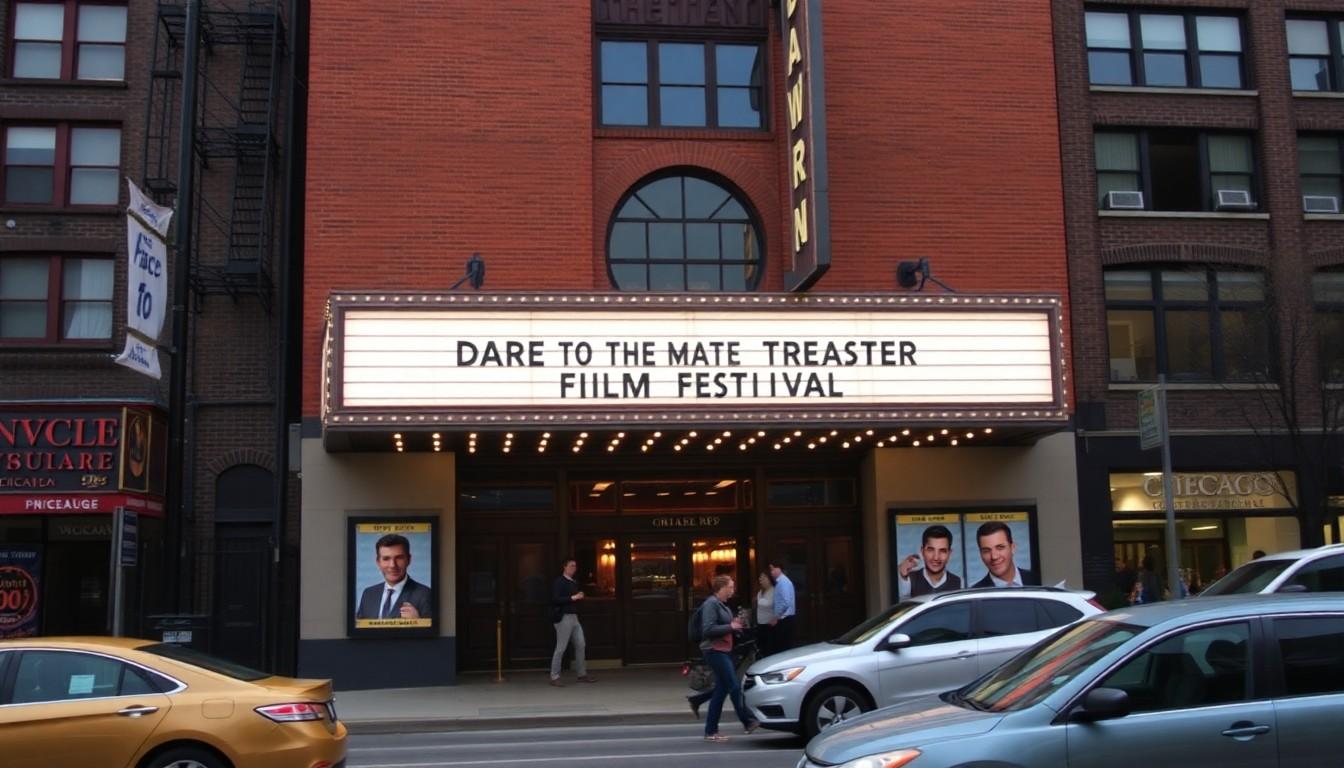
Film lovers in Chicago’s Lincoln Square have a fresh reason to skip the multiplex this week, as the inaugural Dare to Dream Film Festival brings 11 independent shorts to the Davis Theater. Its queer-led programme puts overlooked voices, practical filmmaker support and distinctly human creativity centre stage.
Essential Takeaways
- One-night showcase: Eleven short films will screen at the Davis Theater in Lincoln Square.
- Broad representation: The programme includes queer, BIPOC, neurodivergent, disabled and women filmmakers.
- No AI-generated art: The festival is drawing a clear line around human creativity and collaboration.
- Useful feedback: Every filmmaker who submits work receives free, actionable notes.
- More than a screening: Guests can expect networking, tarot readings, a Q&A and an awards ceremony.
A new Chicago film festival keeps things personal
There’s something appealingly scrappy about a film festival that begins with one evening, 11 shorts and a strong point of view. While Chicago’s larger international festival courts major titles and awards-season attention, Dare to Dream is concentrating on independent voices and the stories that can struggle to find a platform.
The event takes place at the Davis Theater, where guests will arrive for an evening combining screenings with informal connection. According to the festival’s ticketing information, the programme is designed as a gathering as much as a cinema event, with space for conversation before and after the films. [2]
That intimacy is part of the charm. A short film can be bold, strange, tender or gloriously specific, and the compact format makes it possible to move quickly between very different worlds. Chicago’s established film scene provides the backdrop, but this new festival is determined to make room at the table. [4]
Why Dare to Dream says no to AI art
The festival’s most pointed statement is its decision to exclude AI-generated art. Founder Bridget Johnson says the choice reflects a desire to celebrate the labour behind filmmaking, from writing and performance to editing, sound and the many small acts of collaboration that viewers may never see.
That stance lands at a moment when artificial intelligence is becoming harder to avoid in creative industries. The debate isn’t simply about software; it’s also about authorship, consent, working opportunities and whether audiences can still feel the human fingerprints in a finished piece.
Dare to Dream’s position is refreshingly direct. Rather than treating technology as an inevitable substitute for people, it makes the creative process itself part of the evening’s subject. That gives the festival a clear identity before the first projector starts rolling. [6]
Queer joy sits alongside overlooked histories
The lineup ranges across comedy, drama, documentary and animation, with stories that explore relationships, identity, ageing, faith and community. Johnson has highlighted films including an Italian story about an older lesbian experiencing Pride after a painful separation, and a handmade animation following a queer couple through years of change and gender transition.
There’s also a Chicago documentary about formerly and currently incarcerated artists finding community through theatre. Another short explores the life of a queer Irish-Catholic woman in 1940s Chicago who became a nun, opening a window onto a piece of LGBTQ+ history that has remained largely out of view.
The variety matters. Queer cinema isn’t a single mood or genre, and the festival appears keen to show that these stories can be funny, romantic, political, domestic, historical or all four at once. The result should feel less like a themed showcase and more like a lively conversation between filmmakers. [2]
A kinder route into film festival culture
For many independent filmmakers, submitting to festivals can feel like sending work into a black hole, especially when fees add up and rejection arrives without useful explanation. Dare to Dream is trying to soften that experience by offering feedback to every filmmaker who submits, whether or not their film makes the final cut.
That’s a small but meaningful shift. A practical note about pacing, structure or audience response can be more valuable than a generic congratulations, particularly for creators working without large budgets or industry contacts. The festival’s approach treats submission as part of development rather than a simple pass-or-fail test.
It also makes the event worth watching for emerging filmmakers, not only established film fans. Chicago already has a substantial festival infrastructure, including submission pathways for creators seeking broader exposure, but Dare to Dream is staking out a more personal, community-focused corner. [3]
What to expect on the night
Doors open at 6pm, with interactive networking and tarot readings scheduled before the films begin at 6.30pm. The screening will be followed by a Q&A and awards ceremony, giving audiences a chance to hear directly from the people behind the work.
General admission costs $25, while VIP tickets are available for $50. After the programme, attendees can continue the conversation at Fathom, a Chicago LGBTQ+ bar in Lakeview, where the post-festival gathering is intended to help filmmakers and guests exchange contacts and ideas. [2]
A portion of the proceeds will support immigrant-rights organisation Organized Communities Against Deportations. Award winners will also receive professional cameras through a collaboration with Canon, a practical prize that could help turn one finished short into the beginning of a larger body of work.
That combination of celebration and useful support feels particularly welcome. Film festivals can be dazzling, but the best ones leave people with something to carry home, whether it’s a new favourite filmmaker, a fresh connection or the nerve to make the next project. [6]
Dare to Dream is small by design, but its ambitions are anything but modest.
Source Reference Map
Story idea inspired by: [1]
Sources by paragraph: