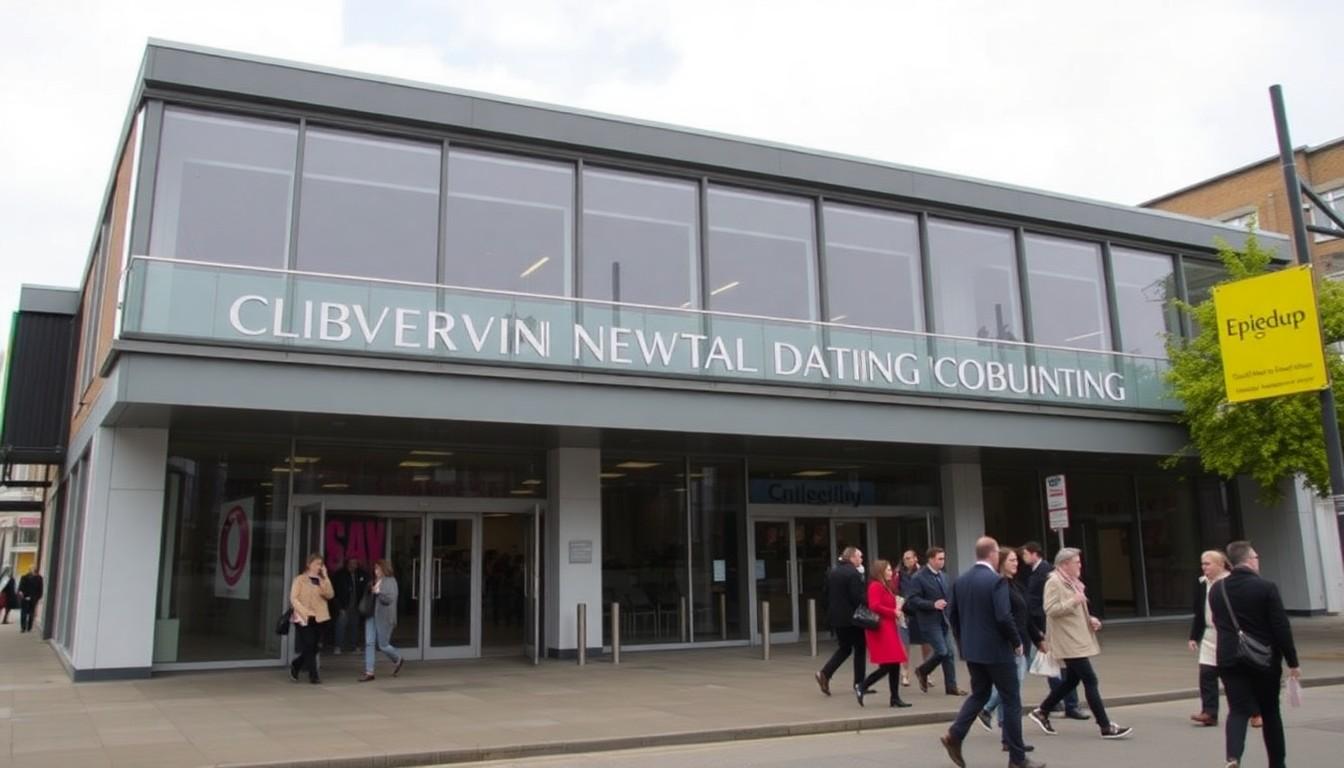
The BBC is reportedly developing a new gender-fluid dating show for young singles in London, opening the search to all genders and sexualities. The project arrives as the broadcaster reshapes its reality line-up, with fans still adjusting to the loss of much-loved LGBTQ+ programmes including Drag Race UK and I Kissed A Girl.
Essential Takeaways
- Inclusive casting: The untitled series is expected to welcome single people aged 18 to 26 across all genders and sexualities.
- Early development: The format is reportedly being developed by Strong Watch Studios for YouTube, with London filming considered soon.
- A changing line-up: The news follows the BBC’s decision to move Drag Race UK away from its schedule amid financial pressure.
- A familiar gap: I Kissed A Girl and I Kissed A Boy also helped bring LGBTQ+ dating stories to mainstream viewers.
- Fresh dating-show energy: The new format appears designed around personality, conversation and the possibility of a second date.
A new inclusive dating show is taking shape
The BBC could soon have a fresh answer to the modern dating-show boom: a young, open casting call built around conversation rather than rigid categories. The reported project is currently untitled, but its invitation is clear, welcoming applicants aged 18 to 26 who are open to love and confident enough to bring some personality.
That age range gives the format a distinctly social-media-era feel. Viewers can expect quick chemistry, awkward pauses and plenty of first-date nerves, rather than the polished certainty of established reality franchises. According to the Daily Mail, filming is thought to be planned in London, with Strong Watch Studios involved through its YouTube operation.
The BBC hasn't publicly confirmed the details, so the format could still change before cameras roll. Even so, the casting language suggests a deliberately broad premise, with all genders and sexualities invited to apply.
Why the timing matters for LGBTQ+ television
The proposed series arrives at an interesting moment for BBC entertainment. The broadcaster has faced difficult budget decisions, while several programmes that helped centre LGBTQ+ lives have been reduced, moved or cancelled. That makes any new inclusive dating format feel both promising and slightly contradictory.
Drag Race UK became a major part of the BBC's recent entertainment identity, combining performance, humour and queer culture with a large mainstream audience. The broadcaster has confirmed that the franchise is moving to WOW Presents Plus after its BBC run, citing the need to make savings. For viewers, that's more than a scheduling change: it's a reminder that popular shows can still be vulnerable when budgets tighten.
Meanwhile, the reported new show could offer a lower-cost, digital-first route to inclusive programming. That's not necessarily a bad thing, but its success may depend on whether it feels like a genuinely distinctive format rather than a quick replacement.
I Kissed A Girl showed there is an audience
Dannii Minogue's I Kissed A Girl and I Kissed A Boy occupied a different corner of the dating-show landscape. Their appeal came from putting same-sex romance at the centre, while retaining the familiar ingredients of reality television: attraction, nerves, disagreements and hopeful matches.
The shows also demonstrated how quickly audiences can connect with contestants when the format allows them to be more than a headline or identity label. Coverage from TV Guide and CinemaBlend has followed the programmes' availability and future, reflecting the continued interest around their runs even as the BBC's plans changed.
That matters for the new project. A broad cast is a strong starting point, but viewers will want depth too: real conversations, believable connections and enough time for relationships to develop. Otherwise, "gender-fluid" risks becoming a marketing phrase rather than the heart of the programme.
What could make the format stand out?
The best inclusive dating shows don't simply widen the casting notice. They rethink the rules. That could mean allowing contestants to describe attraction in their own terms, avoiding assumptions about who should couple up and giving people space to follow chemistry wherever it leads.
The reported emphasis on being outgoing and having "great chat" also hints at a more intimate format. Instead of relying solely on dramatic challenges or villa-style spectacle, the show may live or die by the spark across a table. That's a risky choice, but it could also make the programme feel warmer and more recognisable.
For viewers searching for a gender-fluid dating show with genuinely inclusive casting, the key detail will be how the final format handles identity and consent on screen. Representation works best when contestants remain rounded people, not just proof that a broadcaster is being progressive.
A small digital show could make a big impression
Launching through YouTube could help the BBC reach younger viewers who don't watch scheduled television in the traditional way. It may also allow the series to experiment with shorter episodes, social clips and audience interaction, all useful tools for a dating format built around quick chemistry.
But digital distribution brings its own challenge. A programme needs more than an inclusive premise to cut through a crowded online market, where dating content is everywhere and attention disappears quickly. Strong casting, thoughtful editing and a clear point of difference will matter just as much as the headline concept.
For now, the project remains at the development stage and the BBC has not confirmed a launch. Still, after the departures of several recognisable LGBTQ+ shows, even the possibility of a new one feels significant. Viewers will be hoping it offers more than a replacement slot and gives inclusive dating television room to grow.
It's a hopeful start, but the real test will be whether the people and stories feel as open-minded as the casting call.
Source Reference Map
Story idea inspired by: [1]
Sources by paragraph: