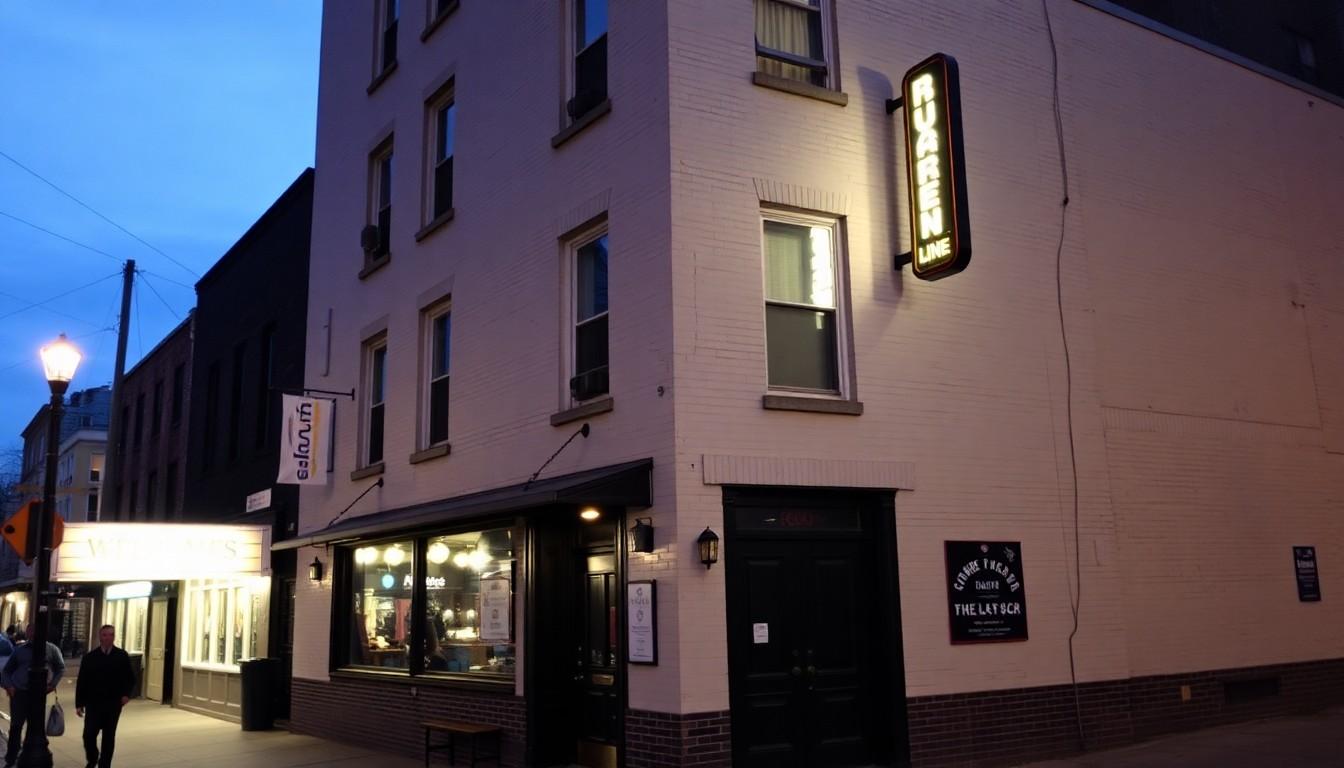
Philadelphia’s sapphic nightlife has lost one dedicated venue, but Val’s Lesbian Bar offers a promising new gathering place in Queen Village. Its future won’t depend on opening-night buzz alone. Regular visits, respectful participation and community support could help create the welcoming third place many queer women have been missing.
Essential Takeaways
- A missing corner of nightlife: The closure of Marsha’s has left Philadelphia with fewer dedicated spaces for sapphic people.
- Val’s is the new possibility: Val’s Lesbian Bar opened in February and could become a regular home for the city’s sapphic community.
- Events keep spaces visible: Listings show a mix of social, cultural and nightlife activity, giving visitors reasons to return.
- Support means showing up: Buying a drink, attending suitable events and spreading the word all matter to an independent venue.
- Respect remains central: Allies are welcome where appropriate, but sapphic people should remain at the heart of a sapphic bar.
Philadelphia’s sapphic nightlife has a fresh gap to fill
There’s a particular kind of disappointment when a beloved community venue closes. It isn’t only about losing somewhere to order a drink. It’s the vanished stool at the bar, the familiar faces, the easy sense that you’ve found your people.
Philadelphia’s recent loss of Marsha’s, described as the city’s first queer women’s sports bar, has sharpened that feeling. The venue’s short run attracted controversy, and not everyone will mourn its end. Both things can be true: a space may have serious problems, and its closure can still leave a genuine hole in the city’s nightlife.
That gap matters because dedicated sapphic venues remain uncommon. General LGBTQ+ bars can be lively and inclusive, but a space designed around sapphic people offers something more specific, from programming to atmosphere. Val’s official website presents the bar as part of that continuing conversation. [2], [7]
Val’s could become more than a night out
A strong queer venue often works as a third place, somewhere between home and work where people can relax without needing a special occasion. You might arrive for a drink and stay for the conversation, a familiar playlist or the comforting ritual of seeing people you recognise.
Val’s Lesbian Bar, located in Queen Village, has the ingredients to develop that role. Local listings and event pages point to a programme that can bring different parts of the community through the doors, rather than relying on a single type of night. That variety matters, because regular habits are built through ordinary visits as much as headline events. [3], [4]
There’s a softer appeal, too. Not every social outing needs to feel like a major production. Sometimes people simply want a friendly room, a seat at the bar and the chance to bump into someone they know. Philadelphia’s sapphic community has been looking for that kind of dependable setting since the pandemic-era loss of earlier venues. [7]
Events can turn curiosity into routine
For a newer bar, events are a practical way to create momentum. A themed gathering gives first-time visitors a reason to come in, while recurring nights can help turn a promising venue into part of someone’s monthly routine.
Val’s has appeared in listings for community and cultural events, including Philadelphia MegaGames programming and nightlife calendars. Those appearances help the venue reach people who might not otherwise discover it, while also showing that a lesbian bar can host more than a standard late-night crowd. [5], [6]
That broader mix is useful for visitors, too. If you’re choosing a sapphic space for the first time, check the event details before going. Look at the intended audience, timings and format, then choose something that feels comfortable rather than treating every event as an all-purpose invitation.
How to support a sapphic bar properly
The most obvious form of support is also the most effective: go. Buy something, attend an event that suits you and return often enough for the venue to become part of your routine. One packed opening weekend can create attention, but a steady stream of ordinary customers is what helps a bar keep trading.
Sharing announcements can help as well, especially for independent venues competing with larger nightlife brands. Tell friends about a night they’d genuinely enjoy, follow the bar’s updates and avoid assuming someone else will keep the place busy. Community spaces don’t run on good intentions alone, however warm those intentions may be.
Allies can play a role, but support needs to be thoughtful. If an event welcomes you, participate respectfully, make room for the intended audience and understand that a sapphic bar exists to centre sapphic people. The aim isn’t to turn it into another generic LGBTQ+ venue. It’s to help preserve something more focused.
The future depends on more than opening-night excitement
Philadelphia already has organisers and event platforms helping people find sapphic-centred activities, but a rotating calendar isn’t quite the same as a permanent home. A regular venue offers continuity, and continuity is what lets friendships, traditions and local identity take root.
Val’s still has the chance to become that dependable place. Its listings, location and early programming give the community something to build around, but the next stage is less glamorous: showing up on a quiet evening, inviting a friend and making the room feel lived-in.
The closure of Marsha’s should be a prompt, not a eulogy for sapphic nightlife. If Philadelphia wants dedicated spaces to survive, people need to support them while they’re open, not only praise them after they’re gone.
It’s a small, practical habit that can help keep a vital community space alive.
Source Reference Map
Story idea inspired by: [1]
Sources by paragraph:
- Paragraph 1: [7]
- Paragraph 2: [2], [7]
- Paragraph 3: [3], [4]
- Paragraph 4: [7]
- Paragraph 5: [5], [6]
- Paragraph 6: [2], [3]
- Paragraph 7: [4], [5]
- Paragraph 8: [2], [7]
- Paragraph 9: [3], [4]
- Paragraph 10: [5], [6]
- Paragraph 11: [2], [3]
- Paragraph 12: [4], [7]
- Paragraph 13: [2], [5]
- Paragraph 14: [3], [6]
- Paragraph 15: [2], [4]
- Paragraph 16: [5], [7]