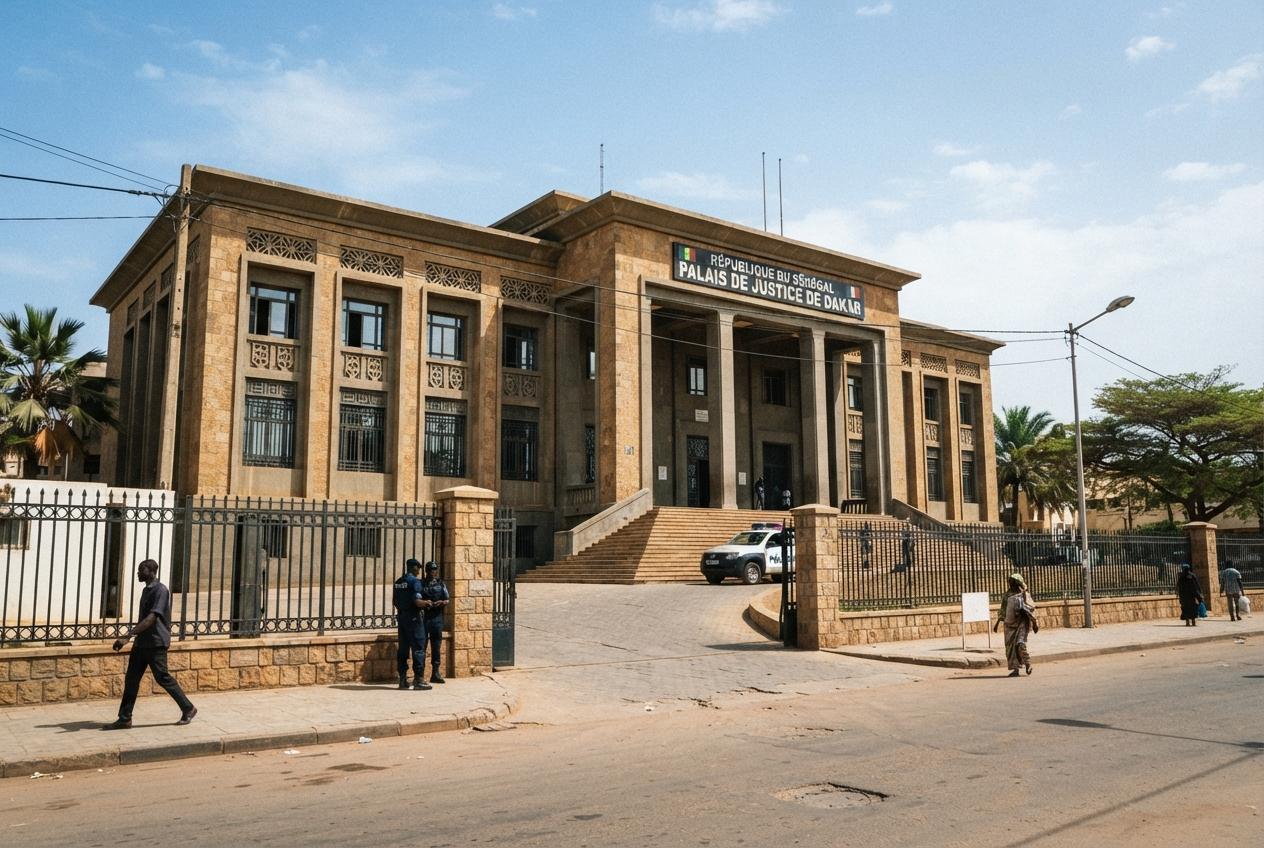
Human rights groups are warning that Senegal’s escalating LGBTQ+ crackdown is driving people into hiding, away from lawyers and vital HIV services. With hundreds reportedly arrested before the Dakar 2026 Youth Olympic Games, allegations of forced testing and prolonged detention have placed human rights, public health and the country’s international image under intense scrutiny.
Essential Takeaways
- Arrests are rising: Rights groups recorded at least 212 arrests between February and July, while another monitoring organisation reported more than 300.
- HIV testing is a central concern: Human Rights Watch says some detainees were tested without informed consent.
- Healthcare access is suffering: Fear of arrest and disclosure is reportedly keeping some people away from HIV treatment.
- Legal protections appear strained: Lawyers and detainees have described obstacles to representation and lengthy pretrial detention.
- The Olympic spotlight is approaching: Dakar will host the Youth Olympic Games from 31 October to 13 November.
Senegal's tougher law has widened the pressure
The crackdown follows a major expansion of Senegal's anti-LGBTQ+ legislation in March. The revised law doubled the maximum prison term for consensual same-sex conduct to 10 years and increased the possible fine to 10 million CFA francs, while also introducing penalties for alleged promotion, glorification or support of homosexuality.
Human Rights Watch said the amendments have been accompanied by increasingly hostile political and public rhetoric. The organisation's investigation, reported on 12 October, drew on interviews with former detainees, lawyers, healthcare workers, journalists and members of Senegal's LGBTQ+ community. According to Africanews, the findings have intensified concern about the scale and treatment of those detained.
The numbers remain difficult to confirm independently, but they are troubling even at the lower end. RADDHO documented at least 212 arrests from February to July, while the HIV Justice Network reported more than 300 over the same period. Those competing figures underline both the apparent breadth of the arrests and the lack of transparent official data.
Alleged forced HIV testing has made a public-health crisis worse
Among the most serious allegations is that some detainees were subjected to HIV tests without informed consent, with positive results then used to support further criminal accusations. Human Rights Watch says that practice conflicts with Senegal's own legal protections covering consent, confidentiality and medical privacy.
The consequences can extend far beyond a police station. Healthcare workers told researchers that some patients have stopped attending HIV appointments because they fear arrest, exposure or stigma. The Guardian reported that one doctor estimated roughly a third of some patients had withdrawn from treatment, a worrying sign for both individual health and wider prevention efforts.
This is where a criminal crackdown becomes a broader public-health problem. HIV treatment depends on regular access, trust and privacy, not just the availability of medicine. If people believe a clinic visit could expose them to police attention, even an effective healthcare system can become practically unreachable.
Lawyers and families are caught in the fallout
Human Rights Watch also documented allegations that detainees were pressured to give up legal representation or questioned without a lawyer present. Some legal professionals reportedly fear that representing LGBTQ+ defendants could be interpreted as supporting or promoting homosexuality under the expanded legislation.
That uncertainty matters because early legal assistance can shape everything that follows, from detention conditions to the reliability of evidence. The International Center for Transitional Justice said the crackdown was forcing people into hiding, a pattern that makes it harder for victims and witnesses to seek help or report abuse.
Prolonged pretrial detention adds another layer of distress. In one significant group of cases, dozens of people reportedly remained awaiting trial months after separate allegations of HIV transmission had been dismissed. For families, that can mean uncertainty, lost income and the constant fear of public exposure.
Fear is reshaping everyday life
The reported impact isn't limited to those arrested. Interviewees described changing their routines, avoiding social media, moving home, leaving the country or staying indoors. Human Rights Watch heard that one student waited until nightfall before returning home, while another person fled across the border after friends were arrested and police searched his home.
Mental-health services are feeling the strain too. A psychologist at Cheikh Anta Diop University told researchers that consultations had tripled since March, with young men presenting severe anxiety, withdrawal and fear. It's a stark reminder that legal pressure can reach bedrooms, classrooms, workplaces and family homes long before a court case begins.
For LGBTQ+ people already navigating stigma, the combination of surveillance, hostile rhetoric and uncertainty can make ordinary social contact feel risky. As LGBTQ+ Nation reported, the rights implications extend beyond the people named in arrest figures: the atmosphere itself can silence communities.
Dakar 2026 puts Senegal under a brighter spotlight
The timing is particularly sensitive because Senegal is preparing to host the Dakar 2026 Youth Olympic Games, the first Olympic or Youth Olympic event staged in Africa. Around 2,700 athletes are expected between 31 October and 13 November, bringing international visitors, journalists and officials into the country.
Human Rights Watch has urged the Senegalese government to guarantee that athletes, visitors and residents are protected from discrimination and arbitrary arrest during the Games. The Olympic Charter's commitments to human dignity and non-discrimination make the issue hard to separate from the event's public message.
But the Games won't mark the end of the crisis. Once the cameras leave, Senegalese LGBTQ+ people will still face the same laws and reported risks. Human Rights Watch is calling for the release of people it considers arbitrarily detained, independent investigations into alleged abuse, an end to non-consensual HIV testing and meaningful access to lawyers.
The immediate question is whether Senegal's authorities will respond before the world's attention arrives. The longer one is whether the country will protect public health and equal rights after the sporting spotlight fades.
A safe Olympics starts with protecting people before the opening ceremony.
Source Reference Map
Story idea inspired by: [1]
Sources by paragraph:
- Paragraph 1: [2], [3]
- Paragraph 2: [2], [5]
- Paragraph 3: [3], [4]
- Paragraph 4: [2], [4]
- Paragraph 5: [4], [5]
- Paragraph 6: [5], [7]
- Paragraph 7: [2], [6]
- Paragraph 8: [2], [7]
- Paragraph 9: [2], [5]
- Paragraph 10: [3], [6]
- Paragraph 11: [2], [7]
- Paragraph 12: [2], [3]
- Paragraph 13: [2], [5]
- Paragraph 14: [2], [4]
- Paragraph 15: [2], [7]
- Paragraph 16: [2], [5]