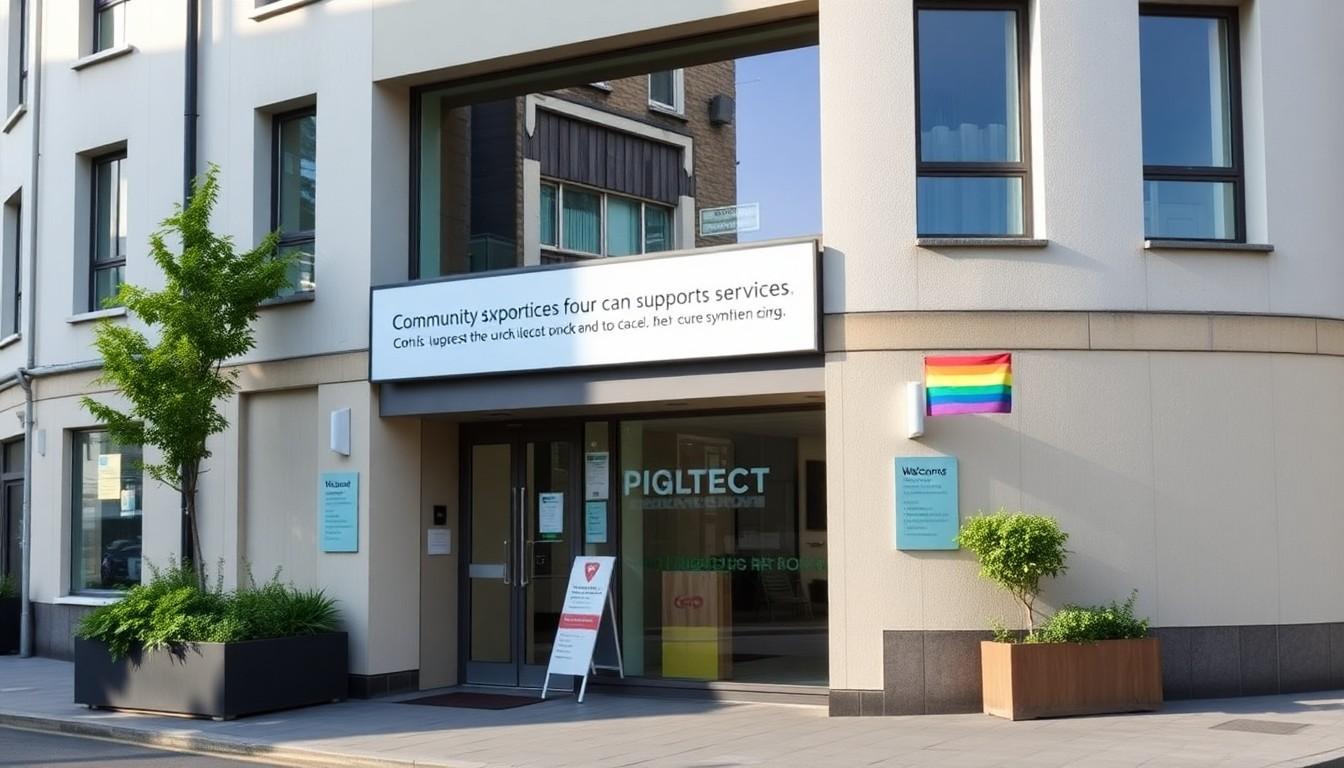
Filmmakers and production companies are being invited to pitch a short documentary about older LGBTQI+ people in Ireland, with LGBT Ireland seeking warm, honest stories that explore identity, community, loss and resilience. The €12,500 commission will also include social media cut-downs, with applications due in November 2026.
Essential Takeaways
- The commission: LGBT Ireland wants an eight to 12-minute documentary centred on older LGBTQI+ voices.
- The budget: €12,500 covers VAT, production, travel, editing, insurance, captions and delivery.
- The deadline: Applications must arrive by 5pm on Monday 16 November 2026.
- The deliverables: The successful team will produce a main film, three short social clips and promotional stills.
- The approach: Contributors' dignity, privacy, consent and wellbeing must guide the production.
A film about lives too often left off screen
The strongest element of the brief is its insistence that older LGBTQI+ people should speak in their own words. This isn't intended to be a polished history lesson or a parade of hardship, but a portrait of people who have lived through dramatic social change while building lives, relationships and communities of their own.
The film is expected to hold several emotions at once. There may be loneliness, bereavement and anxiety about care services, but also humour, activism, chosen family and the simple pleasure of being recognised. That balance matters, particularly when older LGBTQI+ people are too easily presented as either vulnerable or heroic.
Why Ireland's ageing LGBTQI+ story matters
Many contributors will have grown up when LGBTQI+ identities were criminalised or forced into secrecy. Today, that history can shape everyday questions about health care, home support and residential care, including whether people will feel safe being open about who they are.
LGBT Ireland already supports older members through its Telefriending service and works with health and social care professionals through the LGBT Champions Programme. The commission therefore has a practical purpose as well as a cultural one: it should reach the public while becoming a useful training resource for services supporting older people.
Related Irish film and community projects have also shown the value of making LGBTQI+ lives visible across different generations. From screenings to local pride initiatives, the conversation is gradually becoming broader, more personal and less confined to the familiar coming-out narrative.
What the successful filmmaker will need to deliver
The core film should run for eight to 12 minutes and be delivered in 16:9 at full HD or higher. LGBT Ireland is looking for three to five contributors with a range of identities and experiences, and welcomes proposals that include both urban and rural settings where the budget allows.
There are several supporting requirements, too. The package must include three social media edits lasting between 30 and 90 seconds, English captions on every version, separate subtitle files, a small collection of still images, signed releases and licences for any music, archive or photography used.
That is a substantial list for a €12,500 budget, so a convincing pitch will need to feel both creative and carefully costed. Production companies should allow for pre-interviews, travel, accessibility, insurance, editing, sound, colour grading and two rounds of feedback before final approval.
Consent and care come before the camera
The brief is particularly clear about contributor welfare. Some people may be discussing experiences they have rarely shared, while others may not be open about their identity in every part of their life. Filmmakers will need to explain consent properly, allow contributors to pause or stop, and plan around comfort, energy, access requirements and privacy.
Contributors must also be given the chance to review their contribution before final sign-off and raise concerns about accuracy, safety or sensitive personal information. The production team will be expected to use each person's chosen name, pronouns and language, while respecting the right to withdraw up to final approval.
For this kind of documentary, that isn't administrative detail. It is the foundation of trust. A quiet, careful conversation may produce a more powerful film than a rushed interview packed with dramatic prompts.
How to apply for the Irish documentary commission
Applicants should send a single PDF to [email protected] with the subject line "Short Film on Ageing in the LGBTQI+ Community". The submission must include a concept outline of no more than 500 words, a profile and links to up to three relevant pieces of previous work, details of the proposed team, an approach to contributors and a one-page budget breakdown.
Experience working with LGBTQI+ communities, older people or sensitive personal stories is an advantage, and LGBTQI+ filmmakers are encouraged to apply. A shortlist may be invited to interview, although LGBT Ireland says it isn't obliged to accept the lowest-priced tender.
The successful production team will receive 40 per cent on signing, 30 per cent after delivery of the first cut and the remaining 30 per cent on final delivery. The film is expected to be completed before 1 June 2027, ahead of a planned launch at LGBT Ireland's Pride healthcare conference in June.
For viewers, the eventual film could offer something especially valuable: not simply a look back at LGBTQI+ history, but a chance to hear older people describe what belonging, care and visibility mean now.
A thoughtful film could make ageing LGBTQI+ lives harder to overlook.
Source Reference Map
Story idea inspired by: [1]
Sources by paragraph:
- Paragraph 1: [2], [3]
- Paragraph 2: [4], [5]
- Paragraph 3: [2], [6]
- Paragraph 4: [3], [7]
- Paragraph 5: [5], [6]
- Paragraph 6: [2], [4]
- Paragraph 7: [3], [5]
- Paragraph 8: [6], [7]
- Paragraph 9: [2], [3]
- Paragraph 10: [4], [5]
- Paragraph 11: [6], [7]
- Paragraph 12: [2], [3]
- Paragraph 13: [4], [5]
- Paragraph 14: [6], [7]