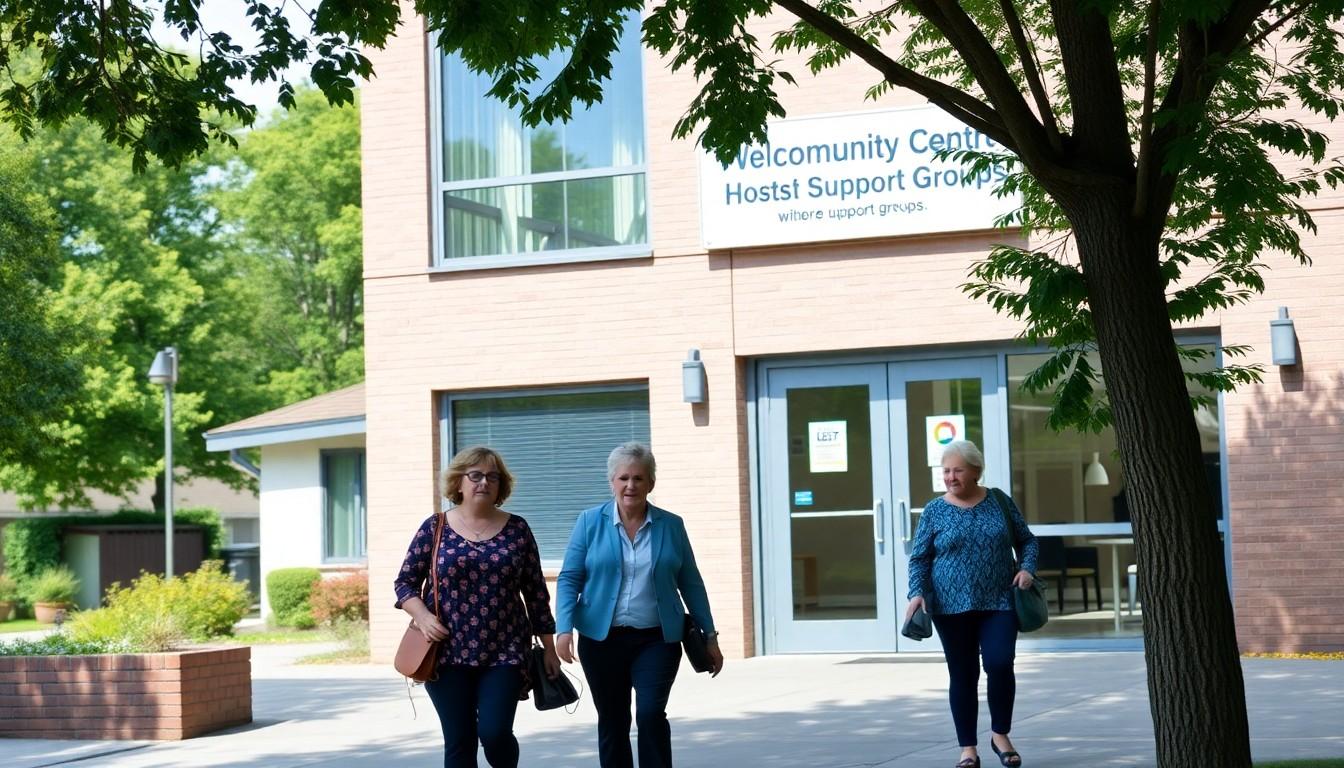
Older women are increasingly finding online support for coming out later in life, from private coaching to peer groups built around shared experience. The appeal is clear: a quieter, kinder place to ask difficult questions. But with programmes costing hundreds of dollars, the growing market also raises questions about professional boundaries, family impact and what genuine support should look like.
Essential Takeaways
- A niche support market is growing: Online coaching and peer communities cater specifically to women exploring same-sex relationships later in life.
- Prices vary widely: Services can include paid memberships, one-off consultations, courses and longer group programmes.
- Shared experience matters: Many groups focus on isolation, family conversations, intimacy and rebuilding confidence.
- Professional standards differ: Coaching, peer support and regulated therapy aren't the same thing.
- Careful vetting is essential: Look for clear qualifications, safeguarding policies, confidentiality terms and appropriate referrals.
Why some women are coming out later
For women who spent decades in heterosexual marriages, recognising or naming same-sex attraction can feel less like a sudden revelation and more like finally switching on a light. The questions may arrive alongside children, shared finances, routines and a history that can't simply be put aside. Anne-Marie Zanzal's work is aimed at women facing precisely that complicated crossroads, according to her website.
Her online services describe a community for women who are exploring sexuality, identity and relationships later in life. The language is deliberately reassuring, with an emphasis on self-kindness and connection rather than a single prescribed outcome. That can be powerful for someone who has never had a safe place to speak openly, particularly when local support is limited.
The Late Life Lesbian website similarly presents later-life discovery as a process shaped by memory, relationships and belonging. It isn't necessarily a neat before-and-after story. For many people, the emotional work involves understanding what they feel now while making sense of everything that came before.
The appeal of a room full of people who understand
A private group can offer something traditional advice columns rarely manage: instant recognition. Someone describing the dread of telling an adult child, the awkwardness of dating again or the relief of hearing a familiar story may feel less alone within minutes. It’s the emotional equivalent of finding the right key after rattling a lock for years.
Some professionally listed groups take a similar approach, bringing together queer women over 40 or people navigating queerness and intimacy later in life. Psychology Today listings show that support may be organised around age, location, identity or a particular stage of transition, giving participants a more focused setting than a general LGBTQ+ forum.
That focus matters because late-life change can involve more than sexuality. It may touch grief, marriage, housing, friendships, faith, health and family roles all at once. A group that understands those overlapping pressures can feel more relevant than broad, one-size-fits-all guidance.
Coaching isn't therapy, and the distinction matters
The fast-growing support landscape includes coaches, therapists, facilitators and informal communities. They may all use warm, encouraging language, but their training, oversight and responsibilities can be very different. Zanzal's website sets out her own personal and professional background, while other services are presented through therapist directories or dedicated support organisations.
That difference is important when conversations involve depression, trauma, coercive relationships, self-harm or intense family conflict. A coach may offer structure and lived experience, but they shouldn't be treated as a replacement for a licensed mental-health professional. Likewise, a peer group can provide companionship without being equipped to manage a crisis.
Before paying, prospective members should ask who leads the sessions, what qualifications they hold, how confidentiality works and what happens if someone becomes distressed. It’s also sensible to check cancellation rules, whether sessions are recorded and whether the service has a clear referral route to therapy, legal advice or domestic-abuse support.
What buyers should check before joining
Cost is only one part of the decision. A private membership, a short consultation and a multi-week programme can offer completely different levels of contact, so compare the actual format rather than relying on polished promises. Check how often meetings happen, whether one-to-one support is included and if the community remains available after a course ends.
Look for realistic wording, too. Good support should leave room for uncertainty. It shouldn't pressure someone to leave a marriage, reveal their identity immediately or treat one route as morally superior to another. The healthiest services help clients think clearly, plan safely and make decisions that fit their circumstances.
Online communities also deserve the same privacy scrutiny as any other subscription service. Read the terms before sharing intimate details, use a private email account if necessary and avoid assuming that a closed group is completely confidential. Screenshots, forwarded messages and platform breaches can turn a safe-feeling space into a surprisingly exposed one.
A more thoughtful future for late-life support
The interest in these services reflects a broader change in language. Older women may now have more ways to describe feelings that earlier generations were expected to ignore, suppress or explain away. That new vocabulary can be liberating, but it also creates a responsibility for providers to avoid turning vulnerability into a sales funnel.
Dedicated resources such as Coming Out Support offer another model, combining practical information with signposting rather than presenting one person's experience as a universal blueprint. Meanwhile, therapist-led groups listed through Psychology Today suggest that some people will prefer clinical support, especially when identity questions overlap with anxiety, grief or relationship breakdown.
There’s no single correct timeline for understanding yourself. The useful test is whether a service expands a person's choices, protects their wellbeing and respects the people affected by major decisions. Community can be priceless, but that doesn't mean every expensive offer is good value.
It's worth seeking support that offers warmth without pressure, and guidance without pretending to know your life better than you do.
Source Reference Map
Story idea inspired by: [1]
Sources by paragraph:
- Paragraph 1: [2], [3]
- Paragraph 2: [2], [3]
- Paragraph 3: [3], [4]
- Paragraph 4: [4], [5]
- Paragraph 5: [6], [7]
- Paragraph 6: [2], [4]
- Paragraph 7: [5], [6]
- Paragraph 8: [2], [4]
- Paragraph 9: [5], [7]
- Paragraph 10: [2], [3]
- Paragraph 11: [4], [5]
- Paragraph 12: [6], [7]
- Paragraph 13: [7], [4]
- Paragraph 14: [2], [3]
- Paragraph 15: [4], [5]
- Paragraph 16: [6], [7]
- Paragraph 17: [2], [3]
- Paragraph 18: [4], [5]
- Paragraph 19: [6], [7]