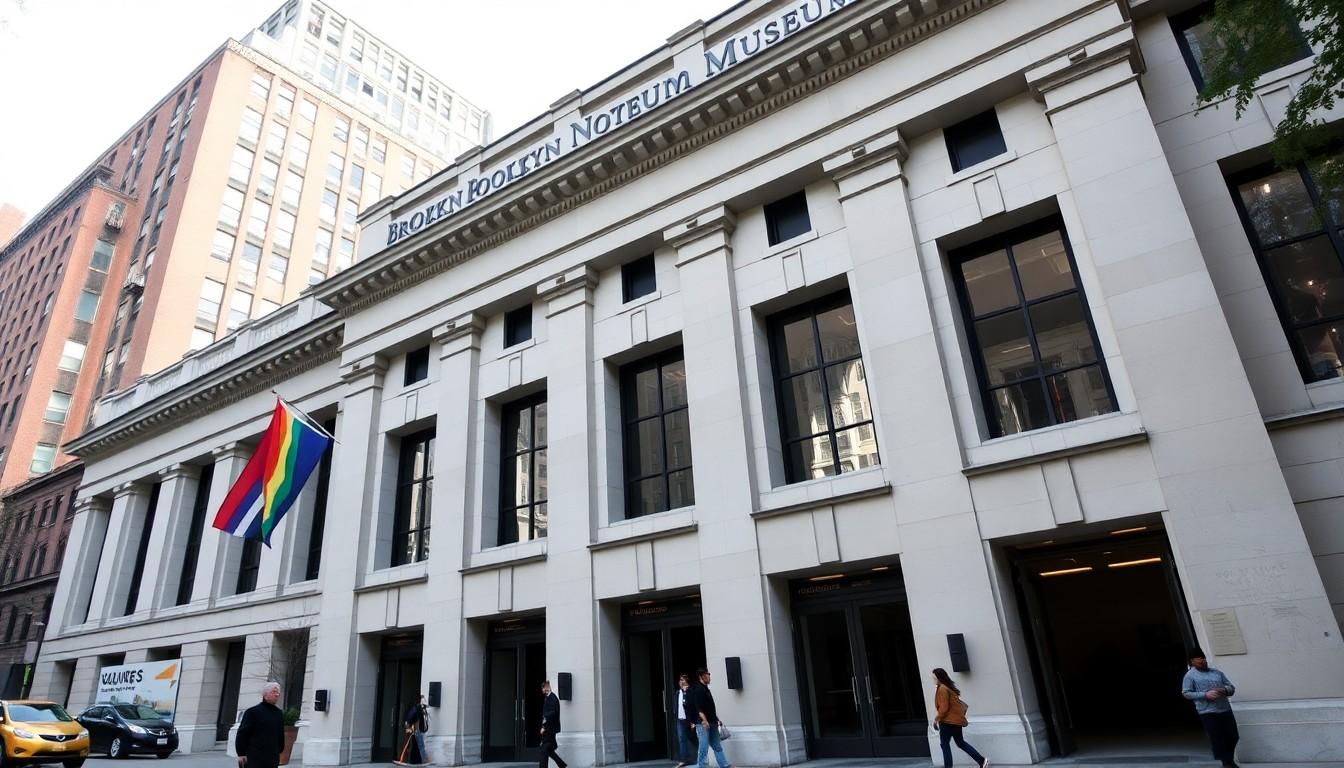
Fashion lovers gathered at Brooklyn Museum for dapperQ’s 11th annual New York Fashion Week show, where gender-fluid design, upcycling and queer joy shared the spotlight. With bold silhouettes, playful materials and deeply personal collections, the event showed why inclusive fashion matters far beyond the runway.
Essential Takeaways
- A milestone show: dapperQ returned to Brooklyn Museum for its 11th annual NYFW presentation.
- Legacy in motion: Designers treated queer fashion history as something active, evolving and community-led.
- Sustainability took centre stage: Collections used scraps, reclaimed materials, made-to-measure production and unexpected waste.
- Style crossed every boundary: The runway moved from metallic whimsy and corsetry to latex, knitwear and tea-bag tailoring.
- Representation mattered: The show made space for gender-fluid, non-binary and under-represented designers.
A runway built on queer fashion legacy
The strongest impression from dapperQ’s latest show wasn't simply the colour or theatricality. It was the sense of a community taking up space with total confidence, surrounded by glittering fabric, sculptural shapes and the unmistakable energy of a live fashion crowd.
Held at Brooklyn Museum, the 11th annual presentation explored the theme of “Legacy”. According to GO Magazine, the event looked back at the people and practices that have shaped queer fashion while also pointing towards what comes next.
That balance gave the show its emotional charge. This wasn't a museum piece or a polite celebration of the past. It felt more like a loud, stylish reminder that queer fashion is still being made, challenged and reinvented in real time.
From whimsical colour to Versailles drama
ATASHI opened up a world of fluid expression through vivid pinks, metallic details and soft blue ruffles. Founder Walter Dixon drew inspiration from the bleeding-heart flower, folding natural imagery and personal heritage into a collection that felt graceful, playful and deliberately unconcerned with strict gender rules.
LLESSUR offered a more theatrical mood with “A Ball in Versailles”. Pink wigs, fans, corsets and layered styling brought aristocratic extravagance to the runway, while the collection's non-binary designs encouraged wearers to interpret each piece in their own way.
The contrast between the two brands was part of the fun. One collection leaned into fantasy and floral softness; the other turned historical grandeur into something sharper, more rebellious and distinctly contemporary. Together, they showed how broad queer fashion can be when designers aren't forced into one visual language.
Latex, knitwear and the joy of surprise
Rose Noir Designs challenged the familiar assumptions surrounding latex. Instead of relying on the material's traditional clubwear associations, the collection used bright colour and unexpected silhouettes to make latex feel like part of a wider everyday wardrobe.
That approach matters because materials often arrive with their own stereotypes. Rose Noir's work asked the audience to look again, and the result was colourful, sculptural and surprisingly versatile.
Jasmine Knits took the runway somewhere more aquatic. The Aquatic Collection combined intricate textures, carefully chosen colours and one-off pieces inspired by the ocean, creating an underwater fantasy with a distinctly queer point of view. Industry coverage of the show highlighted the collection's connection to queer joy and its use of scrap materials.
There was plenty of visual humour, too. The looks felt like tiny sea creatures had wandered into fashion week and decided to stay. It was imaginative, warm and just the right side of surreal.
Upcycling gives old materials a new life
Sustainability was not treated as a quiet footnote. It was built into the identity of several collections, with designers demonstrating that fashion's future may depend on becoming much more inventive with what already exists.
Harley De Oliveira turned discarded objects into attention-grabbing garments, including a jacket made from tea bags and a dress constructed with thousands of straws. The work made overconsumption visible in an immediate way: these weren't abstract discussions about waste, but familiar objects transformed into something impossible to ignore.
DYKEMINT took a similarly hands-on approach through gleaning, reclaiming unwanted materials and preserving their past lives in new garments. Their patchwork pieces carried slogans and traces of their previous existence, suggesting that history doesn't have to be erased for reinvention to happen.
As The Advocate reported, the show formed part of a broader conversation about how queer fashion can challenge established industry habits. That makes the runway's extravagant details feel more meaningful. Beneath the drama, there's a practical question: how can designers create differently without losing the joy of dressing up?
Why dapperQ’s platform still matters
DapperQ's importance comes from more than its ability to stage a memorable show. The platform has grown from an early focus on masculine style into a much wider celebration of queer expression, including gender-fluid, non-binary and experimental approaches to dress.
That evolution reflects the community itself. People don't stop changing once representation improves, and fashion shouldn't ask them to. A useful platform has to keep widening its view, making room for new designers, new materials and new ways of wearing familiar clothes.
Coverage from Slayed.Gay and other queer fashion outlets has also placed dapperQ within a larger movement that treats fashion as both self-expression and resistance. The message is simple but powerful: being visible can be creative, glamorous and politically meaningful at the same time.
For anyone watching from outside the fashion world, the appeal is refreshingly direct. These clothes aren't asking permission to exist. They're asking what might happen if more people were allowed to dress with complete freedom.
The next chapter is already being made
The show's idea of legacy was less about leaving something behind and more about building something useful for the people who come next. Designers worked with inherited materials, personal histories and community knowledge, then pushed all three into unfamiliar territory.
That makes dapperQ's 11th NYFW show feel like a milestone without making it feel finished. The runway celebrated what has endured, but its most exciting moments came from experimentation: latex in unexpected colours, waste turned into couture and ocean-inspired knitwear that looked ready to swim away.
Queer fashion's legacy, in other words, isn't fixed. It's being stitched, patched, knitted and styled into existence every day.
It's a colourful reminder that the future of fashion belongs to people willing to imagine it differently.
Source Reference Map
Story idea inspired by: [1]
Sources by paragraph:
- Paragraph 1: [2], [4]
- Paragraph 2: [3], [5]
- Paragraph 3: [4], [7]
- Paragraph 4: [2], [6]
- Paragraph 5: [3], [4]
- Paragraph 6: [5], [7]
- Paragraph 7: [3], [6]
- Paragraph 8: [4], [5]
- Paragraph 9: [2], [7]
- Paragraph 10: [3], [5]
- Paragraph 11: [4], [6]
- Paragraph 12: [2], [7]
- Paragraph 13: [3], [5]
- Paragraph 14: [4], [7]