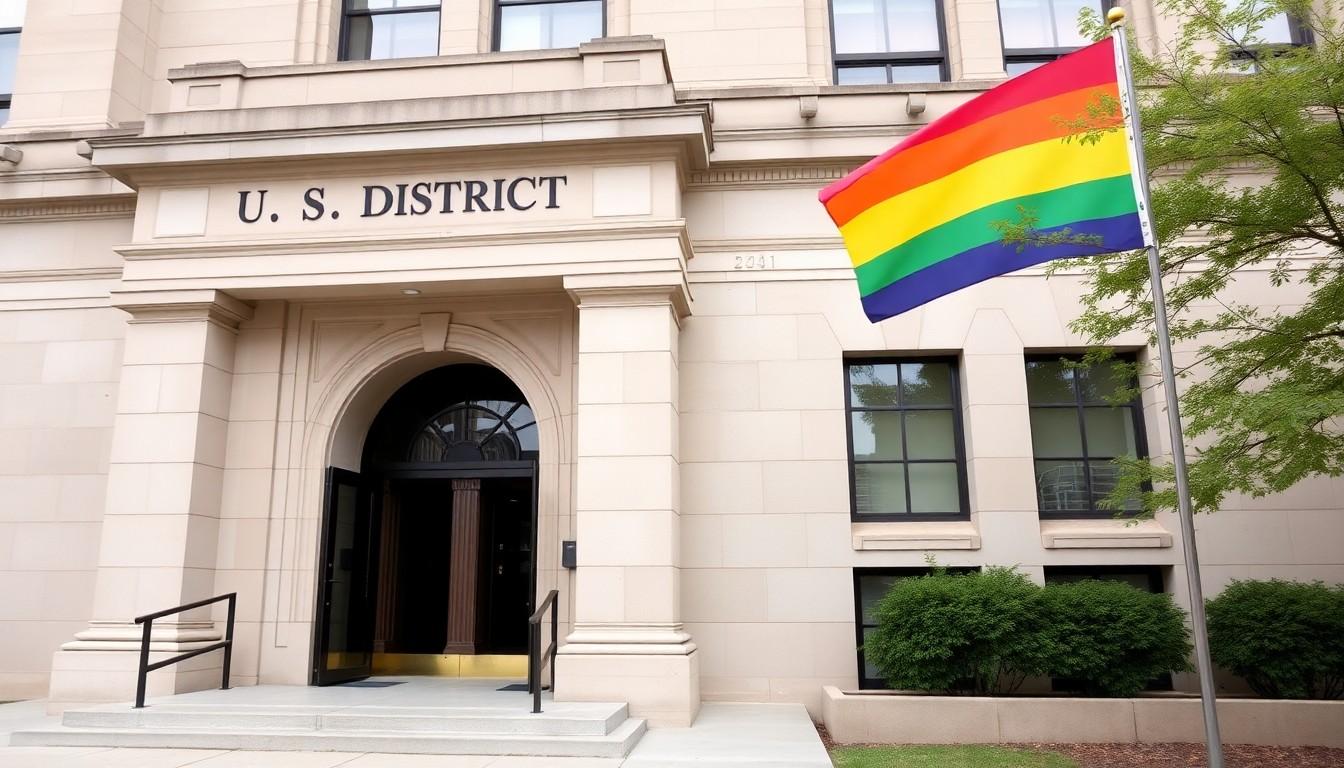
Two Christian counsellors are suing Lincoln, Nebraska, over restrictions on conversion therapy involving LGBT-identifying minors, arguing the city’s rules could punish protected speech. The case arrives after a major US Supreme Court ruling on counselling and free expression, making it a closely watched test of how far local governments can regulate private therapy.
Essential Takeaways
- The lawsuit: Two licensed therapists are challenging Lincoln’s ordinance in a US federal court.
- The claimed penalties: The complaint says breaches could lead to fines, professional discipline and up to six months in jail.
- The constitutional argument: The counsellors say the rules restrict speech and are too unclear about what therapists may discuss.
- The wider context: The challenge follows the Supreme Court’s decision in Chiles v. Salazar, which raised serious First Amendment concerns about viewpoint-based counselling restrictions.
- The unresolved question: The city has not yet filed its formal response, so the legal fight is only beginning.
Counsellors say private therapy has become a legal battleground
The case centres on a simple but fiercely contested question: can a city control what a therapist says during a private conversation with a young client? Thomas Dierks and another counsellor, named as John Doe in court documents, say Lincoln’s rules go too far and leave professionals uncertain about which discussions could trigger punishment.
According to The Christian Post, the therapists filed their complaint in the US District Court for the District of Nebraska. They argue that the local code interferes with counselling conversations involving sexual orientation and gender identity, particularly where a minor seeks help with those subjects.
The dispute is emotionally charged because it sits at the intersection of child protection, professional ethics, parental concerns and free speech. For families, the practical issue is whether a young person can ask difficult questions openly without a counsellor fearing that an honest response could become evidence in a prosecution.
What does Lincoln’s ordinance actually restrict?
The challenged provisions, identified as Chapter 11.09 and Section 11.01.010 of Lincoln’s municipal code, prohibit forms of so-called conversion therapy involving LGBT-identifying minors. Supporters of such measures generally describe them as safeguards against practices they believe can cause harm, while opponents say the wording can sweep too broadly into ordinary talk therapy.
The therapists’ complaint says the language is vague and fails to give counsellors a clear boundary. The Christian Post reported that the filing warns of possible jail time, substantial fines, suspension from practice and loss of professional licences for each alleged violation.
That uncertainty matters in a clinical setting. Counsellors regularly respond to a client’s own concerns, beliefs and goals, rather than following a fixed script. If a rule appears to depend on the viewpoint expressed during a session, professionals may choose silence instead. That could leave families wondering whether sensitive conversations are genuinely private or quietly shaped by legal risk.
The First Amendment argument gains fresh momentum
The lawsuit arrives shortly after the Supreme Court’s 8-1 ruling in Chiles v. Salazar, a case involving Colorado restrictions on counselling conversations about sexual orientation and gender dysphoria. The decision has given opponents of similar laws a powerful new argument: that talk therapy is speech, and that government cannot restrict it simply because it dislikes a particular viewpoint.
The Thomas More Society, which is assisting the Nebraska counsellors, says Lincoln’s ordinance effectively permits one set of answers while blocking others. Senior counsel Matt Heffron argued that the city cannot censor a therapist’s words because officials disagree with the perspective being expressed, according to the organisation’s announcement.
That doesn't settle the Nebraska case automatically. Courts will still need to examine the precise wording of Lincoln’s rules, how they operate in practice and whether the city can justify them under constitutional scrutiny. But the Supreme Court ruling means the challenge is entering court with a much stronger legal tailwind than comparable cases might once have had.
Why the case matters to Nebraska families
For parents and young people, the argument isn't merely academic. A counsellor may be asked to discuss faith, identity, family relationships, unwanted feelings or personal values in a single session. The lawsuit claims Lincoln’s ordinance could prevent therapists from addressing topics requested by minors, particularly when those conversations don't fit the city’s preferred approach.
A survivor-focused account cited in coverage of the dispute highlights why the subject is so sensitive. Critics of conversion therapy say attempts to change a person's sexual orientation or gender identity can be coercive and damaging, while advocates challenging bans argue that blanket rules may also restrict supportive counselling that helps a child explore their own beliefs or biological understanding.
The safest practical step for families is to ask a prospective therapist how they define their work, what professional standards they follow and how they handle a young person's wishes. It’s also worth checking licensing information and discussing confidentiality, parental involvement and the boundaries of any treatment before sessions begin.
Lincoln has yet to give its formal answer
A city spokesperson told The Christian Post that the measure was adopted in February 2021 and that the City Attorney’s Office had not yet filed an official response. That means the public record currently reflects the counsellors’ allegations, rather than a settled judicial finding about the ordinance.
The next stages are likely to determine whether the case proceeds, whether the therapists seek emergency relief and how a federal judge interprets the Supreme Court’s latest guidance. The outcome could influence other local bans across the United States, especially where laws regulate counselling rather than physical treatment.
For now, the case leaves both sides facing an uncomfortable balance. Protecting minors from coercive practices is a serious public concern, but so is preserving honest therapeutic conversation. The court will have to decide where Lincoln’s ordinance draws that line, and whether the line is constitutional.
It's a legal fight with very real consequences for what families and counsellors can say behind a therapy-room door.
Source Reference Map
Story idea inspired by: [1]
Sources by paragraph:
- Paragraph 1: [2], [5]
- Paragraph 2: [5], [7]
- Paragraph 3: [3], [6]
- Paragraph 4: [2], [4]
- Paragraph 5: [5], [7]
- Paragraph 6: [6], [7]
- Paragraph 7: [3], [5]
- Paragraph 8: [2], [3]
- Paragraph 9: [5], [7]
- Paragraph 10: [4], [6]
- Paragraph 11: [5], [7]
- Paragraph 12: [2], [5]
- Paragraph 13: [6], [7]
- Paragraph 14: [4], [5]
- Paragraph 15: [2], [3]