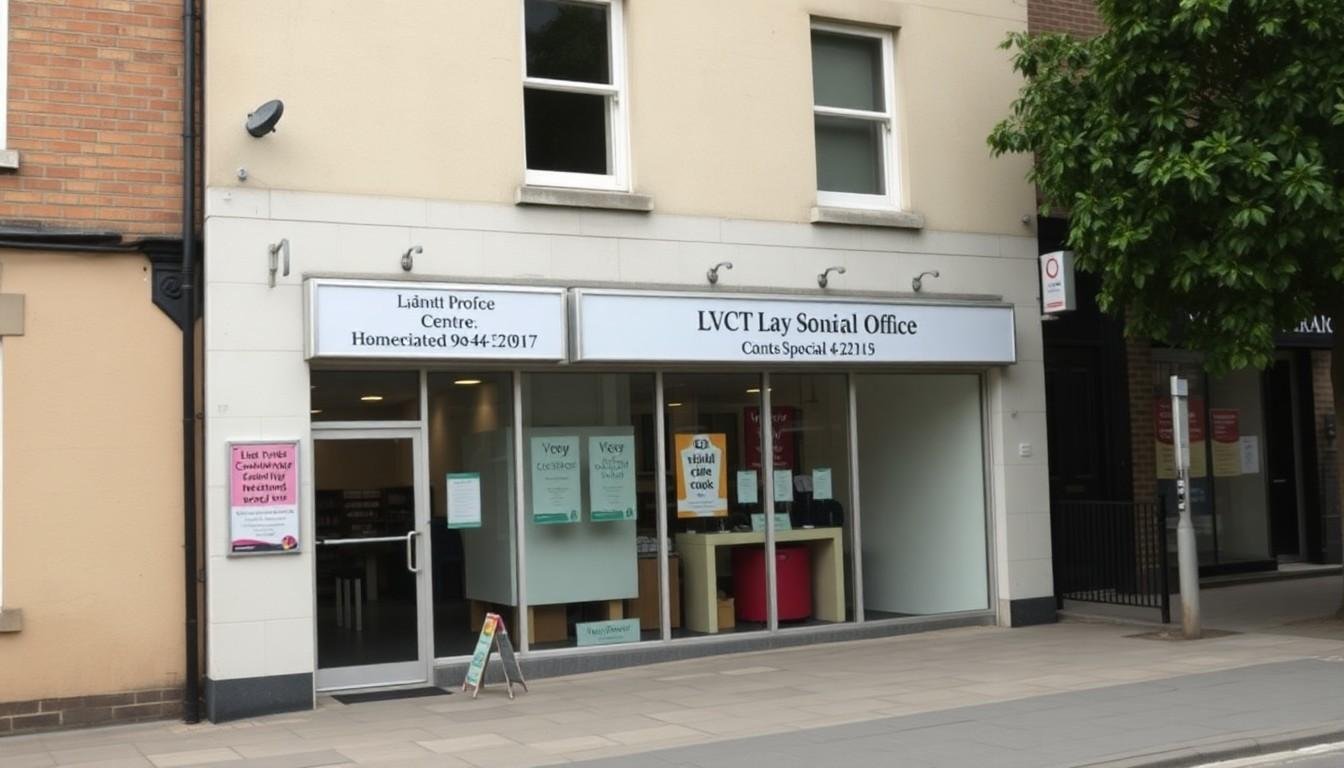
A Court of Appeal hearing is examining whether Felix Ngole faced religious discrimination after a Leeds charity withdrew a conditional job offer and required a second interview over his publicly expressed Christian beliefs. The case raises a difficult question for employers: how should protected beliefs be balanced with the safety and confidence of vulnerable service users?
Essential Takeaways
- The job offer: Touchstone Leeds initially selected Ngole as the strongest candidate for a hospital discharge mental health support role.
- Why it was withdrawn: The charity later reviewed reports about his previous legal dispute over comments on homosexuality and same-sex marriage.
- The disputed interview: Ngole says the additional questioning was invasive and based on assumptions about his faith.
- The charity's concern: Touchstone says the role involved supporting LGBTQI+ service users and required confidence in promoting inclusive services.
- What happens next: The Court of Appeal is considering challenges brought by both Ngole and Touchstone after earlier tribunal findings.
A conditional offer became a legal battle
The dispute began after Felix Ngole interviewed for a mental health support worker position linked to hospital discharges in Wakefield. Touchstone Leeds initially made him a conditional offer, having judged him the best-qualified applicant, according to the Examiner Live report and regional coverage from Greatest Hits Radio West Yorkshire.
That changed after managers found reports about Ngole's earlier case against the University of Sheffield. He had successfully challenged his removal from a social work master's course after posting comments online, including the statement that homosexuality is a sin. The discovery prompted Touchstone to question whether his beliefs were compatible with the post.
The central argument now isn't simply what Ngole believes. It's whether an employer treated him differently because he holds those beliefs, rather than because of any proven conduct towards service users.
Why the second interview matters so much
Ngole's barrister told the court that the second interview was triggered solely by the discovery of a protected religious belief. In his view, that created an extra hurdle that other candidates didn't face, despite Ngole already having completed the selection process and received an offer.
Legal analysis published by Chambers and Tribunal Claim Solicitors highlights the wider importance of that argument. Employers can consider whether a candidate can perform a role properly, but the law also protects religion or belief. The difficult line sits between assessing genuine workplace requirements and relying on assumptions about how someone might behave.
For Ngole, the interview and requests for reassurance felt like stereotyping. He says there was no evidence that he had mistreated anyone or would refuse to care for an LGBTQI+ service user. That distinction is likely to remain at the heart of the appeal.
Touchstone says the role required more than clinical neutrality
Touchstone's case is that the position involved actively supporting LGBTQI+ service users and tailoring services to their needs. Its lawyers argue that Ngole appeared uncertain about some expectations, including LGBT+ awareness training, and that the charity faced a possible risk of complaints if service users felt unsafe or judged.
Coverage from Civil Society and Christian Post describes the charity's concern about vulnerable people using mental health services. In that setting, a person's confidence in the organisation's inclusion policies can affect trust just as much as technical qualifications.
That doesn't settle the legal question, though. A belief may be protected even when an employer finds it uncomfortable, and an employer still needs evidence that a candidate can't meet the role's requirements. The case is therefore testing whether Touchstone made a proportionate assessment or allowed fear of potential reaction to drive its decision.
What earlier tribunals decided
An employment tribunal found in 2024 that Touchstone had directly discriminated against Ngole by withdrawing the original offer. However, it rejected further claims connected with the second interview and the final decision not to employ him.
The Employment Appeal Tribunal later concluded that the first tribunal had made legal errors in its treatment of some direct discrimination complaints. It ordered parts of the case to be reconsidered, a result both sides are now challenging before the Court of Appeal, according to Civil Society and Tribunal Claim Solicitors.
That procedural history explains why the hearing is more complicated than a simple argument over one missed job. Ngole wants the court to decide that discrimination was established outright, while Touchstone says the earlier judgment should stand or that it deserves a proper opportunity to defend its position at a fresh tribunal.
A closely watched balance for employers
The case has attracted attention because it sits where workplace equality, religious freedom and mental health provision collide. Employers need to protect service users, particularly when people may be distressed or vulnerable, but they also need fair recruitment processes that don't treat a lawful belief as proof of future misconduct.
The practical lesson is fairly plain. If an organisation asks a candidate extra questions about faith, sexuality or equality work, it should be able to point to a specific, evidence-based reason connected to the job. Candidates, meanwhile, may reasonably be asked how they'll meet professional duties, provided the questioning focuses on conduct and performance rather than demanding they abandon personal beliefs.
A written judgment is expected after the Court of Appeal proceedings conclude. Whatever the outcome, the decision could offer useful guidance to charities, NHS-linked providers and other employers handling sensitive public-facing roles.
It's a small recruitment dispute on paper, but the principles at stake reach far beyond one hospital job.
Source Reference Map
Story idea inspired by: [1]
Sources by paragraph: