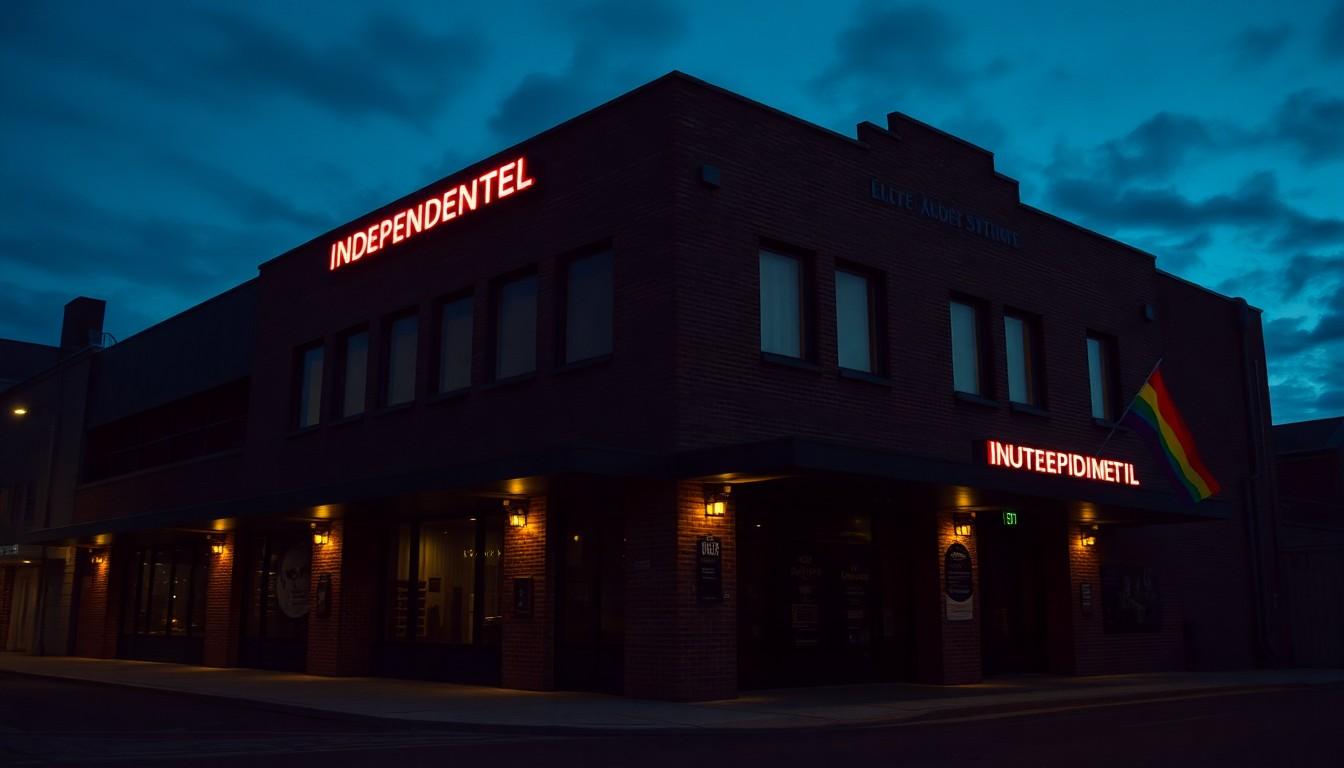
Viewers are turning to queer horror films for more than jump scares. As Halloween approaches, this rich corner of cinema offers monsters, desire, camp and psychological unease, while giving LGBTQ+ characters the freedom to be complicated, flawed and gloriously frightening.
Essential Takeaways
- Horror makes outsiders visible: Monsters and secret identities can reflect the fear of being judged or exposed.
- The closet has thriller potential: Concealed feelings, social pressure and family rejection naturally create suspense.
- Queer horror isn't one-note: It can be intimate, political, sexy, funny, camp or seriously unsettling.
- Modern films widen representation: LGBTQ+ characters now get to face ghosts, disasters and monsters, rather than existing only in romance plots.
- Choose your mood carefully: Look for psychological horror, slasher thrills or exuberant camp, depending on your tolerance for gore and tension.
Why queer horror feels so instinctive
Horror has always been fascinated by people who don't fit neatly into the world around them. That might mean a creature in the shadows, a neighbour hiding a disturbing secret or a character desperately trying to conceal part of their identity.
For queer audiences, those themes can land with unusual force. Before LGBTQ+ characters could appear openly in mainstream romance, viewers often had to search for meaning in coded glances, villains, outsiders and stories about forbidden desire. The fear wasn't always supernatural, but the emotional pressure could feel just as intense.
Queer horror films now make that connection more direct. Rather than hiding subtext beneath the surface, they can turn shame, repression and social anxiety into visible threats. The result is often unnerving because the monster feels personal. (Sources include Rotten Tomatoes and Gay Times.)
The closet already has the makings of a nightmare
A classic horror plot often begins with a secret. Someone watches what they say, worries about being discovered and wonders whether the people around them would still accept them if the truth emerged.
That emotional landscape overlaps with many coming-out stories, although queer cinema has thankfully moved far beyond treating LGBTQ+ identity as a tragedy. In horror, however, fear can be dramatised through haunted buildings, invasive creatures or a threat that refuses to stay buried.
This is one reason the genre can handle difficult subjects without becoming a straightforward social-realist drama. The danger is external, but it still points towards something recognisably human: shame, isolation, coercion or the fear of losing control. (Sources include Queer Horror and Gay Times.)
From psychological dread to blood-soaked camp
There isn't a single queer horror style. Some films favour slow-burning psychological tension, while others embrace slashers, supernatural shocks or gleefully excessive gore. The best queer horror films often move between those modes, letting a tender or funny scene sit beside something genuinely disturbing.
Camp plays an important part, too. Horror and camp both enjoy theatricality, transformation and a good dose of excess. A perfectly timed scream, an outrageous costume or a villain with impeccable flair can make a film feel as entertaining as it is frightening.
That balance matters because queer characters don't need to be presented as flawless representatives. They can be ridiculous, selfish, romantic, reckless or dangerous. Bad Girl Boogey, for example, sits within a broader tradition of queer horror that uses slasher conventions to explore identity while keeping the energy brisk and knowingly entertaining. (Sources include Rotten Tomatoes, Gay Times and Bad Girl Boogey.)
Why modern queer horror feels more expansive
Earlier films often relied on suggestion because open LGBTQ+ representation was restricted, coded or punished. Contemporary queer horror can be more explicit about desire, relationships and community, which leaves room for far more varied stories.
That wider range includes sexual thrillers set in queer spaces, survival tales shaped by social tension and supernatural films where trauma refuses to disappear. Camp Miasma, described by The Week as a sexy and violent spectacle, shows how queer horror can combine erotic charge with slasher mechanics. Meanwhile, films such as Hauntology demonstrate how haunting can be used to explore memory, identity and emotional history rather than simply deliver a series of shocks.
The shift is subtle but important. Queer characters no longer have to explain their existence before the plot can begin. They can investigate a strange house, attend a chaotic party, make terrible choices or find themselves at the centre of the apocalypse. (Sources include The Week, Hauntology and Queer Horror.)
How to choose your next queer horror watch
Start with the feeling you want afterwards. For a thoughtful, unsettling evening, choose psychological horror or a film built around memory and identity. If you want something louder, look for slashers, supernatural thrillers and stories with a high body count.
It’s also worth checking the film's content warnings, especially if themes of abuse, coercion, homophobia or sexual violence could make the experience uncomfortable. A strong premise isn't worth an unpleasant surprise.
And don't overlook short films or campier titles. They can be a brilliant way into queer horror, particularly if you're curious but not ready for a relentlessly bleak two-hour marathon. The genre is broad enough to offer a chilly ghost story, a pulpy midnight movie or something that leaves you laughing nervously at the credits. (Sources include Rotten Tomatoes and Gay Times.)
The future looks darker, stranger and freer
The lasting appeal of queer horror is that it gives representation room to breathe. LGBTQ+ characters can still have romance, friendship and joy, but they can also be haunted, morally messy, supernatural or downright terrifying.
That freedom changes the conversation. Instead of asking whether a character is an ideal role model, viewers can ask whether the story is vivid, surprising and emotionally honest. Sometimes the most liberating thing a film can do is let its queer characters survive the monster. Sometimes it lets them become one.
For audiences looking beyond familiar Halloween favourites, queer horror offers a particularly lively route through the genre. There are plenty of shadows to explore, and not all of them are waiting quietly behind the door. (Sources include Queer Horror, Rotten Tomatoes and Gay Times.)
Choose a queer horror film that matches your mood, dim the lights and let the strange stuff in.
Source Reference Map
Story idea inspired by: [1]
Sources by paragraph: