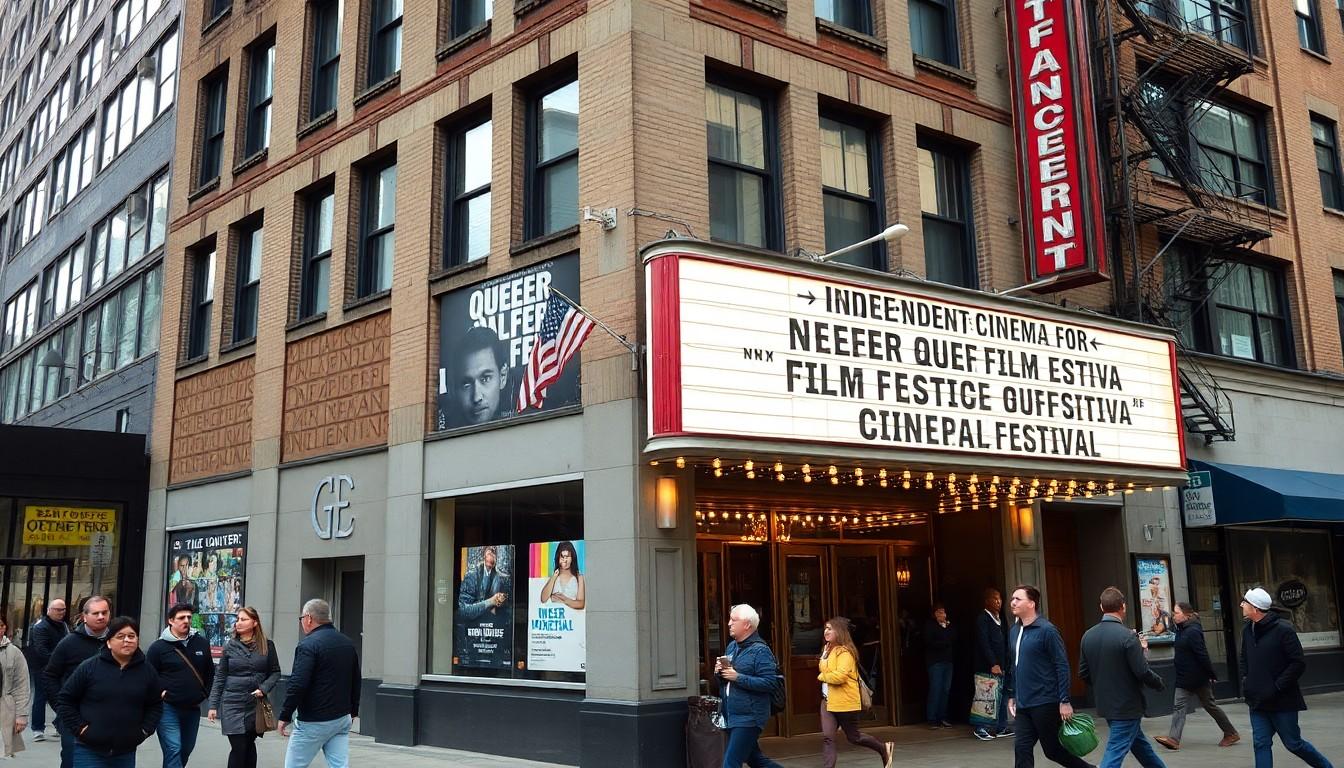
Film fans still have plenty to discover as NewFest, New York’s LGBTQ film festival, moves into its final days. From intimate relationship dramas and trans coming-of-age stories to seductive thrillers and animated family heartbreak, this year’s programme offers a rich, international snapshot of queer life.
Essential Takeaways
- A genuinely international programme: Films travel from Japan and Mexico to Brazil, Nepal and the United States.
- Strong trans representation: Several features place trans characters and performers at the centre of their stories.
- The mood ranges widely: Expect warm family drama, experimental documentary, erotic suspense and quietly devastating animation.
- Late-festival highlights remain: Screenings continue across venues including Nitehawk Prospect Park, SVA, BAM and The LGBT Community Center.
- Bring emotional stamina: Some films are tender and funny, while others deal directly with violence, illness, bullying and discrimination.
NewFest’s final days are packed with queer discoveries
The second half of NewFest is less about one defining hit than the pleasure of moving between very different cinematic worlds. One screening might place viewers in Tokyo’s complicated family networks, while the next heads to rural Brazil or the mangroves of Recife.
That variety has long been part of the festival’s appeal. The 2023 programme brought together narrative features, documentaries, animation and international work, giving audiences more than a single version of LGBTQ life to take home. Festival listings and coverage from The Advocate and Pride highlighted the breadth of the selection. [2]
It’s also a reminder that queer cinema doesn’t need to settle into one tone. These films can be funny, sexy, frightening, tender or all four within the same running time.
Family pressure gives ‘Tiger’ its emotional bite
In Tiger, Taiga is a gay masseur living in Tokyo who returns to his hometown and finds old relationships, family expectations and personal longing colliding. His former lover Koji is now married with a child, while Taiga faces pressure to marry and produce an heir if he wants to inherit the family home.
The film’s exploration of so-called friendship marriages gives its romantic drama a distinctly social dimension. Taiga isn’t simply deciding whom he loves; he’s weighing freedom, belonging and the price of disappointing his family. The performances, particularly from Takashi Kawaguchi and Maho Nonami, give the story a grounded, lived-in quality.
That focus on identity within family and community connects with NewFest’s wider interest in stories that cross borders without flattening cultural detail. The festival’s international line-up was repeatedly noted in programme coverage, including by The Advocate. [3]
Experimental portraits put trans lives centre stage
Mickey takes a more fragmented route, building its portrait of a young trans woman in Sinaloa from makeup tutorials, photographs, diaries, video-game-style animation and film clips. The approach can feel deliberately scattered, but it also mirrors the rush of memory and emotion as Mickey reflects on self-expression, adolescence and family conflict.
There’s a lovely tactile quality to the moments when she paints her face or recalls receiving her first pair of high heels. Those details make the film feel personal rather than purely explanatory. They’re small objects, but they carry the weight of discovery.
Elsewhere, Gugu’s World follows an 11-year-old Brazilian boy whose love of football, dance and makeup brings both bullying and joy. His relationship with his grandmother provides the film’s warmest centre, even as his father struggles to accept him. Coverage of NewFest’s Latin American and Latinx selections emphasised the festival’s commitment to bringing these varied regional perspectives to New York audiences. [4]
Desire turns dangerous in NewFest’s thrillers
For viewers after something darker, Corpus and The Riverbank offer stylish, unsettling takes on queer desire. Corpus begins with a disturbing photographic encounter before moving into a tense upstate gathering involving a photographer, a budding actor and a house full of people whose motives become increasingly difficult to read.
The film’s appeal lies in its atmosphere. Awkward dinner-table pauses, mixed signals and an uneasy rural setting gradually become something far more threatening. It’s the sort of thriller where the room seems to change temperature before anyone says what’s wrong.
Set in Recife, The Riverbank is more overtly concerned with power and danger. Izaquiel works as a cleaner by day and seeks intimacy at night, but a killer targeting gay men is operating near the river. His encounters with a church community add another layer of control and resistance, making the film feel both sensual and politically charged.
NewFest’s wider programme included plenty of films exploring sexuality, gender and social power through genre, rather than presenting queer stories only as straightforward realism. That balance was reflected in festival line-ups reported by Pride and The Advocate. [5]
From bodybuilding to Alzheimer’s, these stories go inward
Test centres on Eddie, a bodybuilder whose impressive physique disguises deep emotional damage. He lives with his alcoholic mother, who also manages his career, and becomes entangled with a potential coach while chasing a professional qualification.
The premise could easily become melodramatic, but the character work gives it heft. Eddie’s body is constantly on display, admired and evaluated, yet his inner life remains guarded. That contrast makes the film unusually affecting, especially as ambition, desire and family jealousy begin to pull him apart.
At the opposite end of the emotional scale, Tangles uses black-and-white animation to tell the story of a daughter caring for her mother after an Alzheimer’s diagnosis. The visual language turns confusion and grief into something almost physical, with images of water and disorientation echoing the family’s experience.
This is the film to approach with a box of tissues rather than a post-screening cocktail plan. Its tenderness comes from recognising that care is an act of love, but also an exhausting responsibility. [6]
What to choose, depending on your mood
If you want a relationship drama with social context, Tiger and I Am Going to Miss You look like strong choices. The latter follows a trans couple confronting career opportunities, attraction outside the relationship and the difficult decisions that arrive when a shared future starts to shift.
For something visually adventurous, Mickey and Tangles take very different approaches to memory and identity. Elephants in the Fog, meanwhile, offers a window into a third-gender community in southern Nepal, combining questions of leadership, romance, family and transphobia with an absorbing mystery.
Planning matters during the festival’s final stretch, particularly when screenings are spread across Manhattan, Brooklyn and cultural venues with different atmospheres. Check the latest NewFest listings before travelling, and allow extra time for queues or venue changes. Programme guides from NewFest and Cinema Tropical are useful starting points for comparing the available films. [7]
The most rewarding choice may be the one that doesn’t obviously match your usual taste. NewFest’s strength is its ability to place a quiet family story beside a feverish thriller and make both feel essential.
Explore the late-festival programme and choose the queer film that fits your mood.
Source Reference Map
Story idea inspired by: [1]
Sources by paragraph: