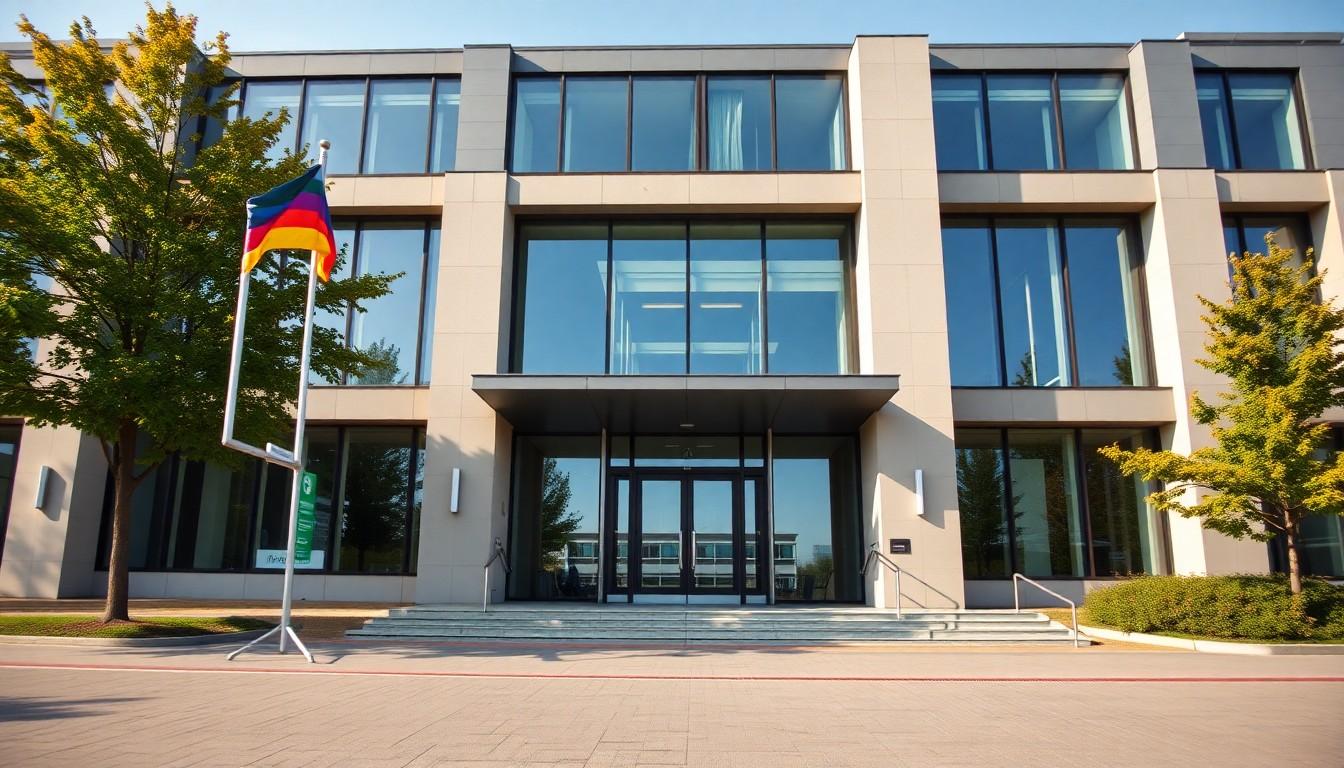
Nearly three months after the Berlin CSD attack, promises to defend openness and LGBTQ+ rights are being tested against funding gaps, limited reporting systems and a familiar dispute over who should act.
Essential takeaways
- Political promises under scrutiny: Critics say the federal response has not matched its strong words after the attack.
- Lambda funding remains uncertain: A possible pilot project may help, but it wouldn't replace stable nationwide support.
- Constitutional protection is unresolved: The federal government has acknowledged a Bundesrat initiative without committing to a change.
- Crime reporting still has gaps: There is no nationwide reporting office dedicated to anti-queer offences.
- Responsibility is disputed: Berlin and other states have introduced measures, while the federal government points to regional powers.
After the attack, words are meeting reality
The Berlin CSD attack left a heavy question hanging over Germany's LGBTQ+ community: what does protection look like once the headlines fade? According to the Berlin Senate, the city has continued to present measures focused on safety, equal participation and support for queer people, but critics argue that local action can't fill every national gap. [2], [4]
The timing matters. Public promises to defend freedom, openness and liberal democracy sounded reassuring in the immediate aftermath. Yet for people relying on youth networks, advice centres and community organisations, safety isn't an occasional speech. It's a service that needs trained staff, secure premises and money that doesn't disappear at the end of a funding cycle.
Green MP Nyke Slawik has described the government's response as deeply disappointing, arguing that the federal administration has not followed its public statements with enough practical action. The criticism lands because the issue is not simply symbolic. It touches the everyday ability of queer young people to find advice, report abuse and build community without feeling exposed.
Lambda funding highlights the bigger problem
The debate around Lambda has become a particularly clear example of the tension between short-term projects and reliable infrastructure. Parliamentary material on queer policy has kept attention on the need for effective protection and support, while reporting by Die Zeit has also linked the CSD attack to wider concerns about discrimination and constitutional safeguards. [3], [5]
A possible government-backed pilot project with Lambda could offer useful help, especially for targeted work with queer young people. But a pilot is not the same as a dependable national framework. As Lambda's deputy managing director Nick Hampel told taz, project funding pays for a defined task over a limited period, whereas structural support keeps the organisation's wider youth work running.
That distinction can sound technical, but it is really about continuity. A young person seeking help doesn't care whether a service is labelled a pilot or a framework agreement. They need to know it will still exist next year, with people who understand their situation and can respond without making them start from scratch.
Why a national reporting system matters
Germany still lacks a nationwide reporting office specifically dedicated to anti-queer offences, a gap opponents say makes the scale and pattern of hostility harder to track. Parliamentary discussion has repeatedly highlighted the importance of documenting discrimination and improving protection, while Berlin's own policy announcements point to the value of coordinated support structures. [2], [3]
A central reporting route wouldn't replace the police, local advice centres or specialist organisations. It would give victims another door to knock on, particularly when they don't feel ready to make a formal complaint. It could also improve the data available to policymakers, helping distinguish isolated incidents from recurring patterns.
That matters after a high-profile attack, when public attention often swings between shock and forgetfulness. Better reporting won't prevent every crime, but it can make invisible harm harder to dismiss. For many people, simply being believed is the first practical form of protection.
States, schools and the federal government
The federal government has pointed to the responsibilities of the Länder, including education, local advice services, violence support and training for police and courts. Germany's official information portal similarly describes the CSD attack and its wider security context, while Berlin has continued to frame queer equality as part of its public policy agenda. [4], [6]
There is a reasonable constitutional argument for dividing responsibilities. Local authorities understand their communities, and regional governments run many of the services people actually use. But uneven provision can leave queer people with very different levels of support depending on where they live.
That is why critics want the federal government to do more than refer questions elsewhere. National standards, stable co-funding and shared data systems could support weaker regions without taking every decision away from them. In practical terms, equality shouldn't depend on whether someone's postcode happens to come with a well-funded advice centre.
Constitutional protection remains an open question
The possibility of explicitly protecting queer people in Germany's Basic Law has also returned to the political agenda. The Bundesrat has backed an initiative, and reporting from Die Zeit noted support for a constitutional change from Federal Justice Minister Stefanie Hubig, but the federal government's response has stopped short of a clear commitment. [3], [5]
Supporters see such an amendment as a strong statement that protection from discrimination belongs at the heart of the republic. Opponents or sceptics may question whether constitutional wording alone would change daily life. Both points can be true: legal language isn't a substitute for services, but it can set a powerful direction for legislation and public institutions.
The difficult part now is turning solidarity into infrastructure. Berlin's measures show that governments can act, but the argument over Lambda and national reporting suggests that the work still lacks a settled, long-term foundation. After a violent attack, queer communities deserve more than warm words and another round of consultations.
Reliable protection starts with reliable support.
Source Reference Map
Story idea inspired by: [1]
Sources by paragraph: