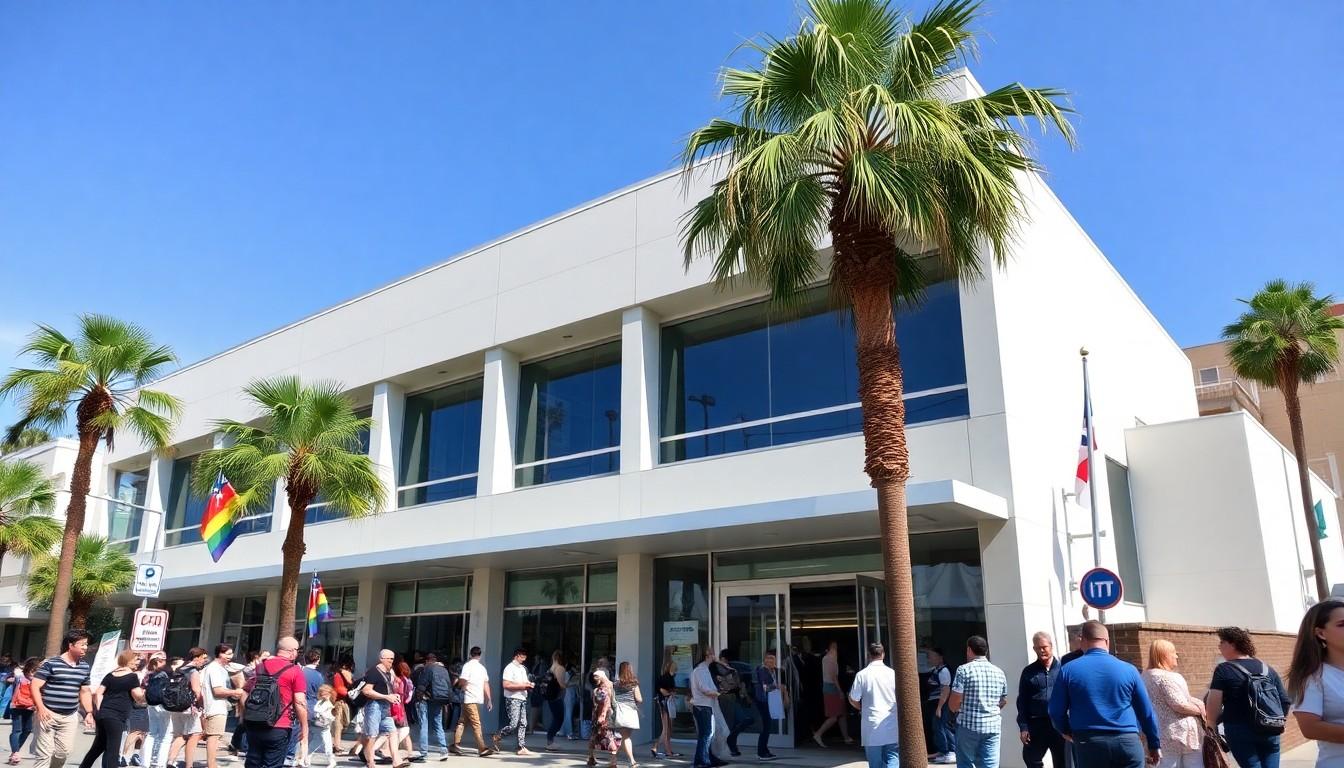
Thousands gathered in West Hollywood for the 42nd annual AIDS Walk Los Angeles, combining remembrance, fundraising and live entertainment with an urgent warning about threatened HIV services. Hosted by APLA Health, the event showed how far treatment has come, while making clear that access, dignity and prevention still need protecting.
Essential Takeaways
- A landmark event: AIDS Walk Los Angeles began in 1985 as the world’s first AIDS walk.
- A clear message: This year’s theme, “Defend Care, Demand Action”, focused on protecting HIV services.
- A star-studded ceremony: David Archuleta performed, while Michaela Jaé Rodriguez received the inaugural Voice of Visibility Award.
- Progress and pressure: Modern treatment can help many people with HIV live long, healthy lives, but access remains uneven.
- Community at the centre: Funds support testing, treatment, housing, food assistance and other vital services.
West Hollywood turns out for a defining community event
West Hollywood Park filled with walkers, supporters, campaigners and local officials for a day that felt both celebratory and serious. There was music, applause and a strong sense of togetherness, but the mood also carried the weight of decades of loss.
According to the West Hollywood Times, APLA Health used the event to underline the consequences of possible federal funding reductions. The organisation's message was simple: services that look like figures on a spreadsheet are, in reality, clinics, meals, housing support and trusted medical care.
AIDS Walk Los Angeles has a unique place in public health history. Launched in Los Angeles in 1985, it helped create a visible, collective response at a time when fear and misinformation were everywhere.
The theme was impossible to miss
“Defend Care, Demand Action” gave the 2026 walk a direct political and practical focus. Speakers argued that decades of progress could be weakened if HIV prevention, treatment and support programmes lose reliable funding.
APLA Health's event information presents the walk as both a fundraising effort and a community gathering. That combination matters. Money keeps services running, while public participation helps ensure HIV remains part of the wider conversation.
The Los Angeles Blade reported that this year's event arrived during a period of growing pressure for HIV organisations. For attendees, walking was therefore more than a tradition. It was a visible way to say that healthcare access shouldn't depend on someone's income, postcode or identity.
Michaela Jaé Rodriguez brings visibility to the stage
One of the ceremony's most affecting moments came when Michaela Jaé Rodriguez received APLA Health's inaugural Voice of Visibility Award. Actor and LGBTQ+ advocate Joel Kim Booster presented the honour, recognising Rodriguez's work and her contribution to a wider conversation about representation and health equity.
LATF USA reported on Rodriguez's planned recognition ahead of the event, while PR Newswire highlighted the significance of her advocacy. Her presence connected the public face of popular culture with the deeply personal realities behind HIV care.
Rodriguez spoke about an uncle who lived with HIV while receiving medication that made the virus undetectable. That story offered a reminder of what effective treatment can achieve, but she also warned that many people still can't benefit from medical advances because of cost, stigma and limited access.
Treatment has changed, but access still decides who benefits
The medical story of HIV is one of remarkable progress. Prevention options such as PrEP, along with effective treatment, have transformed what an HIV diagnosis can mean for many people.
Yet progress isn't evenly shared. Speakers at the walk pointed to continuing barriers affecting medication access, stable housing, nutritious food and respectful healthcare. Those issues can determine whether someone starts treatment, stays well and feels safe asking for help.
The event also drew attention to the disproportionate burden faced by transgender women, particularly Black transgender women. Rodriguez's message was especially human: people living with HIV mustn't be reduced to statistics when they are family members, artists, parents, neighbours and friends.
Why community fundraising still matters
Craig E. Thompson, chief executive of AIDS Project Los Angeles and APLA Health and Wellness, linked today's funding concerns with the activism of the epidemic's earliest years. He argued that community action remains essential when official support becomes uncertain.
West Hollywood officials, including Mayor John Heilman, also reflected on the extraordinary changes since the first walk. The mayor said he had attended that inaugural event and credited activists and community organisations with helping deliver better education, prevention and treatment.
Los Angeles County Supervisor Lindsey Horvath pledged continued local support, according to event coverage. That matters because practical HIV care is rarely just about prescriptions. It can include testing, transport, food, housing assistance and a clinician who understands a patient's circumstances.
A hopeful tradition with its eyes on the future
The 42nd AIDS Walk Los Angeles showed that remembrance and optimism can share the same pavement. Participants honoured people lost during the epidemic while celebrating the treatments and prevention tools that have saved lives.
But the day's central warning was just as important. Medical breakthroughs only change lives when people can reach them, afford them and use them without shame.
For supporters considering future events, the most useful contribution may be the simplest one: turn up, donate if you can, share accurate information and keep conversations about HIV open. A crowded park can send a powerful message, but sustained attention is what keeps services standing.
It's a small step for one person, but a powerful show of solidarity for an entire community.
Source Reference Map
Story idea inspired by: [1]
Sources by paragraph:
- Paragraph 1: [2], [3]
- Paragraph 2: [6], [7]
- Paragraph 3: [3], [6]
- Paragraph 4: [2], [3]
- Paragraph 5: [4], [5]
- Paragraph 6: [4], [5]
- Paragraph 7: [3], [6]
- Paragraph 8: [2], [3]
- Paragraph 9: [6], [7]
- Paragraph 10: [3], [5]
- Paragraph 11: [2], [6]
- Paragraph 12: [3], [7]
- Paragraph 13: [2], [6]
- Paragraph 14: [3], [5]
- Paragraph 15: [2], [6]
- Paragraph 16: [3], [7]