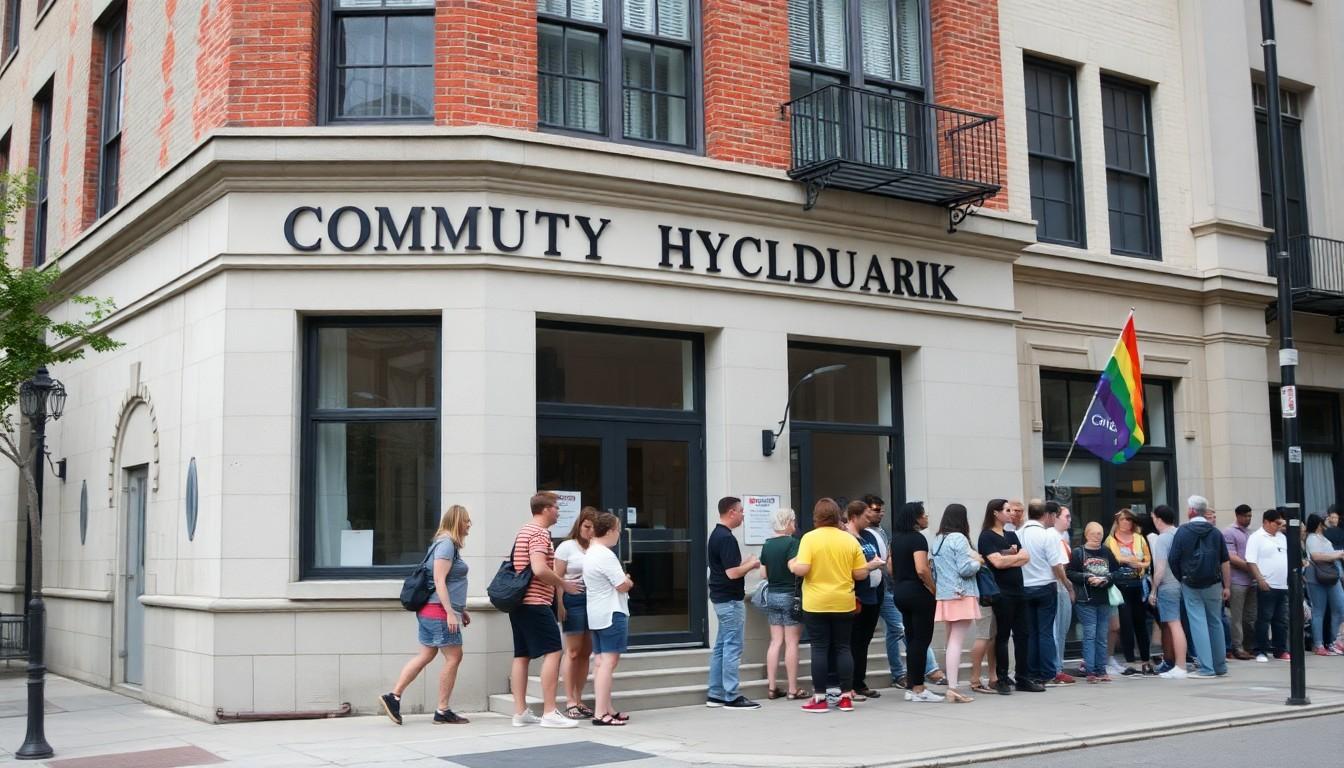
People may see a rainbow flag as decoration, protest or provocation, but its deeper meaning is more personal. From its origins as an LGBTQ+ symbol to the quiet courage it can represent today, the flag remains a visible reminder that nobody should have to hide who they are.
Essential Takeaways
- A symbol with history: The rainbow flag became closely associated with LGBTQ+ pride after its creation in 1978.
- More than bright colours: Its message centres on visibility, dignity and belonging.
- A public sign of support: Displaying one can reassure people who feel isolated or unsafe.
- Designs have evolved: Modern versions may include additional colours and symbols to highlight inclusion.
- Visibility still matters: In places where homophobic language remains common, a flag can carry real emotional weight.
The rainbow flag began as a message of hope
The pride flag's cheerful colours can make it look effortlessly celebratory, but its history is rooted in a serious demand for recognition. Artist Gilbert Baker created the first widely known rainbow flag in 1978, during a period when LGBTQ+ communities were campaigning for visibility and equal rights.
According to History, the original design contained more colours than the version most people recognise today. Practical problems, including fabric availability and the need for an even number of stripes when the flag was displayed vertically, helped shape the familiar six-colour format.
That history gives the flag a little more heft than a passing trend. It wasn't designed simply to brighten a parade route. It was meant to make an unseen community unmistakably visible.
Why one flag can feel surprisingly powerful
A flag outside a home, shop or public building doesn't tell anyone exactly who lives or works there. It can, however, send a clear signal: LGBTQ+ people are welcome here, and their lives aren't something to whisper about.
That reassurance matters because visibility can be uneven. Some people grow up hearing words such as "gay" used casually as insults, while others worry about how family, colleagues or neighbours might react if they come out. A small piece of fabric can't solve those fears, but it can make a lonely environment feel slightly less hostile.
The Human Rights Campaign describes pride flags as tools for representation and solidarity. In everyday terms, that means the flag can speak when a conversation feels too risky or difficult. Sometimes a person only needs one visible sign that they're not entirely on their own.
From classic rainbow to wider inclusion
The best-known pride flag uses six colours, but it isn't the only design now in circulation. Different versions have been developed to reflect the breadth of LGBTQ+ identities and to draw attention to groups that have sometimes felt overlooked within the wider movement.
National Geographic traces the evolution of pride flag designs, including newer versions that add colours associated with transgender people and communities of colour. These updates have prompted debate, as symbols often do, but they also show that pride is not frozen in time.
That evolution is worth noticing. A flag can carry tradition while still making room for a more complete picture of who belongs. The result may be visually busier, but inclusion rarely fits neatly into six tidy stripes.
What the colours are really communicating
The rainbow works because it suggests variety without demanding sameness. Each colour remains distinct, yet the full effect depends on them appearing together. That's a useful metaphor for a community made up of different identities, experiences and cultures.
Flag reference guides, including FlagDB, record the meanings traditionally assigned to the original colours, from life and healing to sunlight, nature and spirit. Those interpretations can vary depending on the version being discussed, so the most important message isn't a fixed colour-by-colour code.
It's the whole image that does the heavy lifting. Seen fluttering in a street or hanging in a window, the flag says that difference isn't a problem to be hidden. It belongs in public, in ordinary life, alongside every other sign of community.
A symbol that still asks people to look up
Critics sometimes treat public symbols of LGBTQ+ pride as excessive or intrusive. But the flag isn't forcing anyone to change their identity or beliefs. It's offering visibility to people who have often been told, directly or indirectly, to make themselves smaller.
The original spirit of pride was never about pretending discrimination had disappeared. It was about refusing shame and creating space for people to live more openly. That remains relevant wherever LGBTQ+ people still face bullying, exclusion or fear.
So, when a rainbow flag catches the wind, it's worth seeing more than colour. It may be a celebration, a welcome, a protest or a quiet message to someone watching from behind a curtain. Often, it's all four.
A rainbow flag can be a small object, but its message is anything but small.
Source Reference Map
Story idea inspired by: [1]
Sources by paragraph:
- Paragraph 1: [2], [3]
- Paragraph 2: [2], [5]
- Paragraph 3: [6], [7]
- Paragraph 4: [3], [6]
- Paragraph 5: [5], [6]
- Paragraph 6: [2], [3]
- Paragraph 7: [3], [7]
- Paragraph 8: [5], [6]
- Paragraph 9: [2], [3]
- Paragraph 10: [6], [7]
- Paragraph 11: [2], [3]
- Paragraph 12: [5], [6]
- Paragraph 13: [3], [7]
- Paragraph 14: [2], [6]
- Paragraph 15: [3], [6]