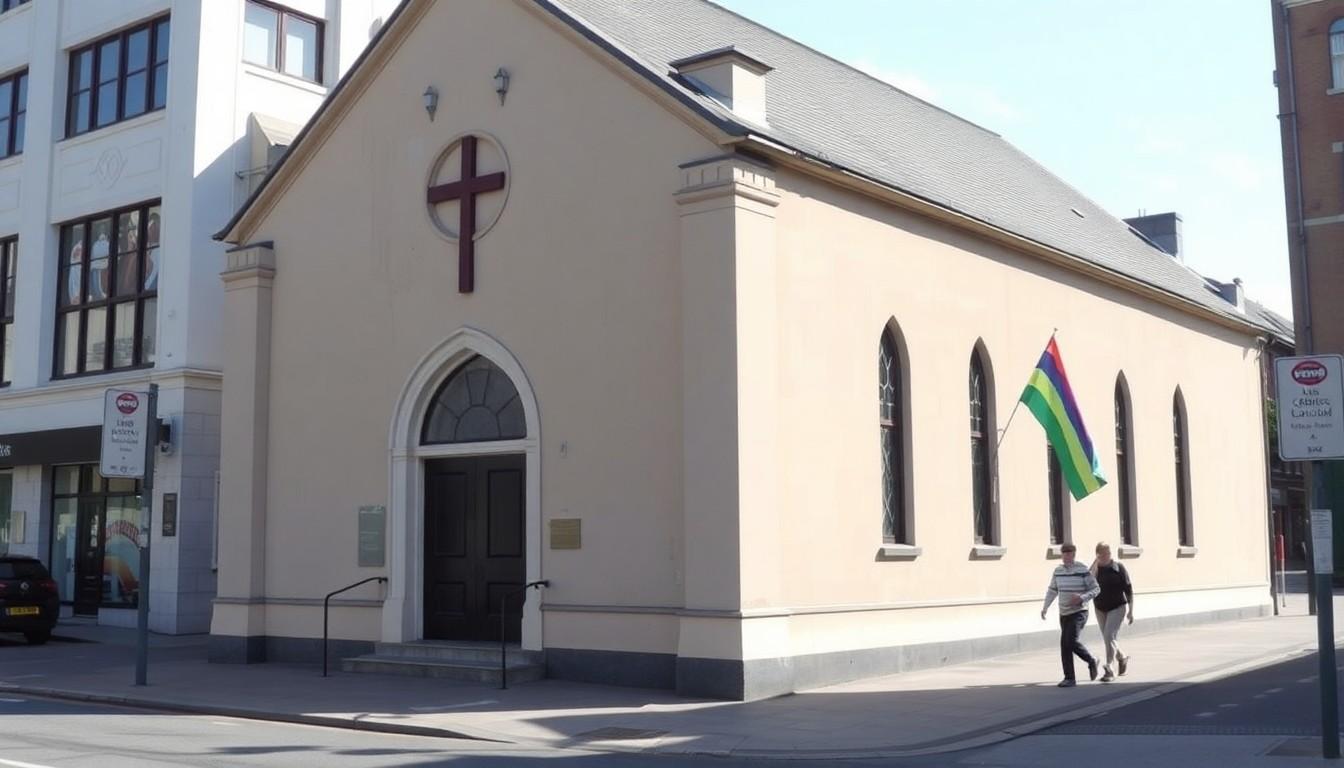
LGBTQ+ Catholics are finding fresh encouragement in familiar biblical stories, from outsiders who become instruments of change to communities whose faith reshapes the Church. This reflection connects those themes with the daily reality of queer Catholics seeking dignity, belonging and the freedom to live their faith openly and safely.
Essential Takeaways
- Outsiders can matter profoundly: Biblical narratives repeatedly place unexpected people at the centre of God’s work.
- Hope is an active practice: Faith, love and endurance are presented as lived commitments, not abstract ideals.
- Queer testimony has value: LGBTQ+ Catholics can contribute to the Church through honest witness, service and persistence.
- Safety comes first: Speaking openly should be balanced with local risks and personal circumstances.
- Community strengthens courage: Supportive parishes, families and LGBTQ+ groups can make belonging feel tangible.
The Bible has always made room for surprising heroes
The most striking thread in this reflection is the idea that salvation history rarely follows a neat casting plan. A foreign ruler, an unconventional teacher and a gentile congregation can all become important carriers of divine purpose. That pattern feels especially resonant for people who have often been told they sit outside the religious centre.
It also challenges the assumption that influence belongs only to those with official authority. As resources from U.S. Catholic and other Catholic commentators show, biblical stories can offer LGBTQ+ readers encouragement without pretending that the Church's history has been painless. The welcome is real, but so is the struggle to claim it. ([7])
Why LGBTQ+ Catholics see themselves in these stories
For many queer Catholics, the question isn't whether faith matters. It's whether the institution will recognise the faith already being lived in homes, friendships, parishes and communities. That tension gives familiar passages a sharper edge.
New Ways Ministry has repeatedly explored how scripture can speak to LGBTQ+ Catholics through stories of transformation, contradiction and unexpected belonging. Its reflection on the Transfiguration, for instance, treats the episode as more than a scene of dazzling light. It becomes a moment about identity, revelation and the possibility of being seen differently. ([5])
That reading sits alongside wider Catholic conversations about hope at grassroots level. The National Catholic Reporter has highlighted how LGBTQ+ Catholics continue building lives of faith and solidarity even when institutional signals remain mixed. In practice, that can look less dramatic than a biblical miracle, but no less meaningful: turning up, caring for others and refusing to disappear. ([2])
Faith, hope and love are practical, not decorative
The reflection's emphasis on faith, hope and love is useful precisely because it brings theology down to earth. These aren't merely warm words for a church noticeboard. They can mean checking in on someone who feels isolated, making a parish more welcoming or standing beside a family member when conversation becomes difficult.
Paul's letters are central to this part of the Christian tradition. His ministry helped shape early communities that crossed cultural and social boundaries, and his writings remain influential in discussions about Christian identity, unity and responsibility. That history is complicated, but it also shows that the early Church was never a perfectly uniform club. ([3])
For LGBTQ+ Catholics, that may offer a steadier form of hope than waiting for one grand announcement to settle everything. Belonging is often built through repeated acts of courage and care. It can be quiet work, but quiet work still changes a community.
Speaking up matters, but safety matters too
The call to show up openly has emotional force, particularly for people who have spent years editing themselves to avoid rejection. Yet public visibility isn't equally safe everywhere, and no one should be pressured into disclosure, confrontation or activism before they're ready.
Outreach and Catholic LGBTQ+ support organisations point to the importance of welcoming spaces where people can talk honestly about faith, sexuality and family life without being treated as a problem to solve. For some, that might be an inclusive parish. For others, it's a support group, an online community or a trusted friend who understands both sides of the conversation. ([4], [6])
A practical first step is to look for clear signals rather than relying on vague promises. Check whether a parish names LGBTQ+ inclusion, offers pastoral support or has connections with established groups. Your nose may not tell you everything, but your instincts about whether a room feels safe are worth listening to.
A more hopeful future is built from the ground up
The most encouraging implication is that LGBTQ+ Catholics needn't wait for permission to recognise the value of their own witness. Their lives already contain forms of patience, service and resilience that can strengthen the wider Church.
That doesn't erase pain, disagreement or exclusion. It does suggest that change can grow through ordinary people who keep faith with one another. As Catholic LGBTQ+ advocates and commentators have argued, hope is often grassroots before it becomes official. ([2], [6])
There is something quietly powerful about that idea. The people once treated as unexpected guests may become the ones showing the community what welcome really looks like.
It's a small act of courage, but showing up as yourself can help widen the Church's sense of who belongs.
Source Reference Map
Story idea inspired by: [1]
Sources by paragraph: