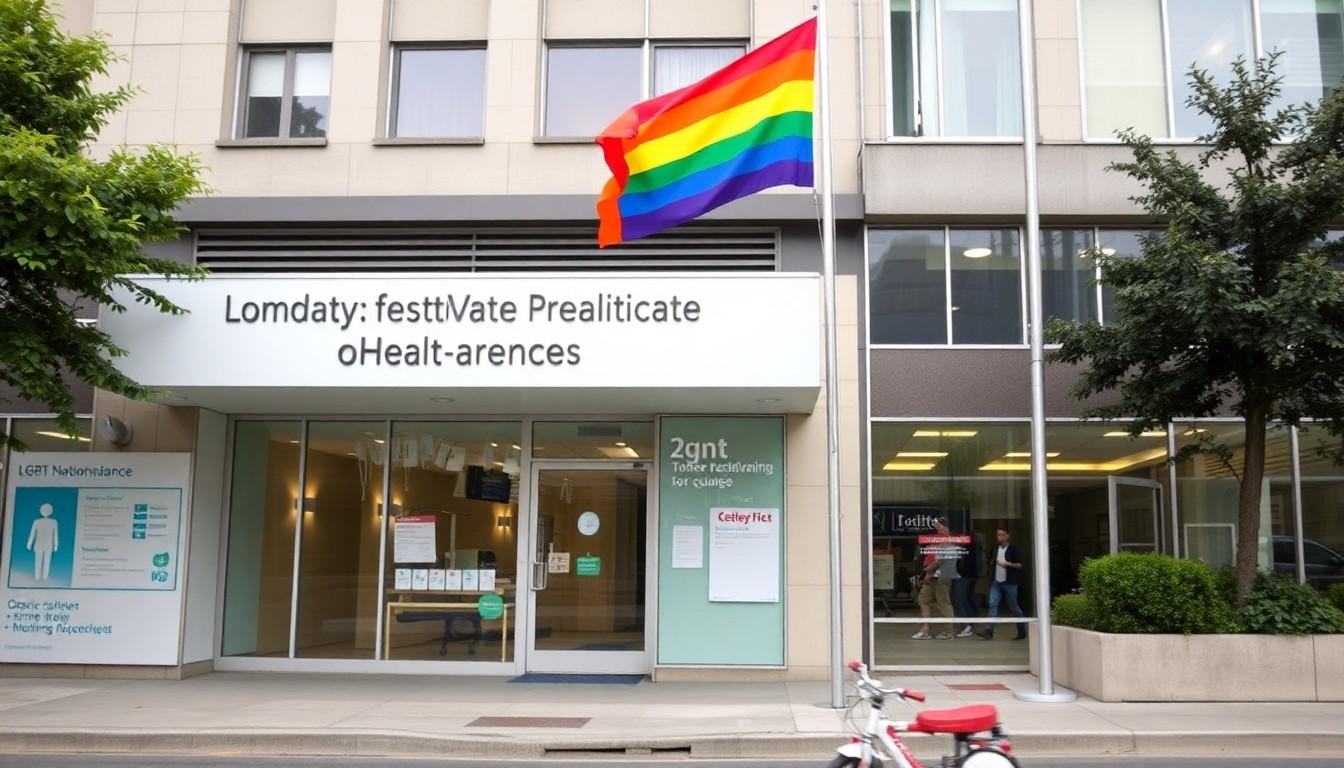
Families, clinicians and student campaigners are reacting after UPMC agreed to end paediatric gender-affirming care under a deal with the US Department of Justice, raising fresh questions about access, medical autonomy and what happens next.
Essential Takeaways
- Major policy change: UPMC has agreed to stop providing gender-affirming care to patients under 18.
- Federal pressure: The arrangement followed intervention by the US Department of Justice.
- Families are worried: Advocates say some young people could lose continuity of care and trusted clinical support.
- Protests have followed: Students, families and supporters have publicly challenged the decision.
- The wider debate continues: The agreement is likely to fuel arguments over healthcare, parental choice and government authority.
UPMC's decision has put families on edge
The most immediate effect is practical rather than abstract. UPMC's agreement with the Justice Department means minors seeking gender-affirming treatment through its services will face a different healthcare landscape, with families forced to reconsider where care can be obtained and how quickly arrangements can change.
CBS News Pittsburgh reported that the health system's decision followed federal scrutiny and would bring its paediatric gender-affirming programme to an end. For families already navigating appointments, referrals and medication decisions, the news has landed with a particularly unsettling thud. Healthcare is meant to feel steady; this does the opposite.
Why the Department of Justice became involved
The agreement is part of a broader federal effort targeting gender-affirming care for young people. National Review reported that UPMC and another major health system reached arrangements with the Justice Department that commit them to ending such services for minors.
The legal and political arguments surrounding these agreements remain fiercely contested. Supporters of the federal intervention describe it as a safeguard for children, while opponents argue that it overrides clinical judgement and interferes with decisions made by families and medical teams. That clash is now being played out in hospitals, courtrooms and public meetings.
Protesters say continuity of care matters
In Pittsburgh, advocates and protesters have objected to the policy, warning that ending services can leave young people without familiar clinicians or a clear route forward. WESA reported that community members viewed the proposed restrictions as a serious threat to trans young people's wellbeing and access to healthcare.
The concern isn't simply whether a particular treatment remains available. It also involves counselling, monitoring, referrals and the everyday reassurance that comes from seeing a healthcare team that knows a patient's history. As any family managing a complex medical situation will understand, replacing that support isn't as simple as finding a new phone number.
What families may need to consider now
Families affected by the change should ask UPMC for clear information about existing appointments, prescriptions, records and referrals. WPXI reported that the agreement would end paediatric gender-affirming care, making transition planning especially important for patients already receiving support.
It may also be sensible to request copies of medical records and ask clinicians what options remain available, including general healthcare, mental-health support and referrals where legally permitted. Rules and services can vary by state, so families may need advice from qualified healthcare professionals and reputable local organisations rather than relying on fast-moving social media posts.
The fallout is likely to last
The agreement has already prompted concern among students and families. The Tartan reported that members of the Carnegie Mellon community were reeling after UPMC's settlement formally ended its paediatric gender-affirming programmes, suggesting the issue has reached well beyond hospital administration.
For UPMC, the decision may close one immediate legal chapter, but it leaves difficult questions about trust, institutional independence and the future of specialist care. For families, the debate is far less theoretical. It's about whether a young person can keep seeing the team they know, and whether the next appointment will still be there.
Families should seek clear transition information and qualified medical advice as services change.
Source Reference Map
Story idea inspired by: [1]
Sources by paragraph: