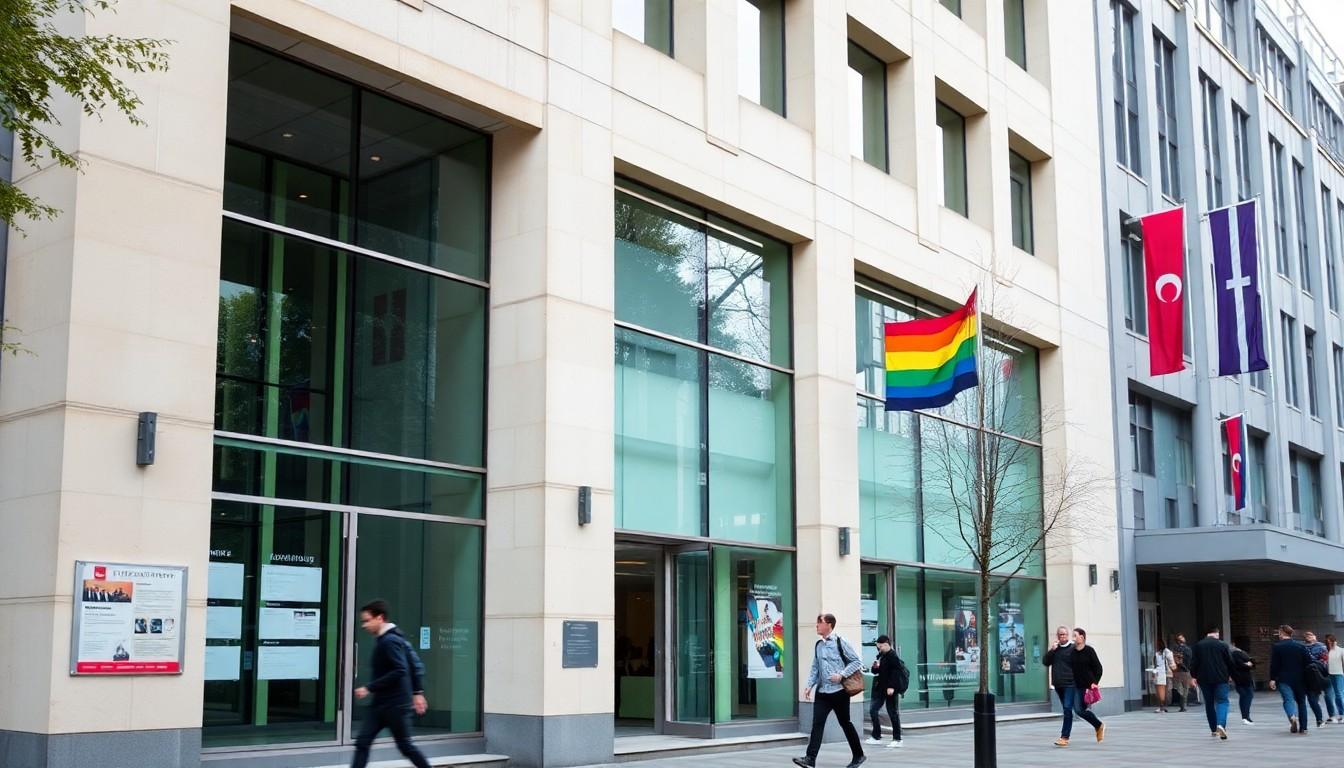
Readers are discovering a thoughtful LGBTQ+ studies blog where history, art, literature, politics and culture meet personal reflection. The Closet Professor offers a varied, archive-rich space for curious adults, while also acknowledging that some posts include non-sexual nude photography or artwork as part of their wider cultural and historical discussion.
Essential Takeaways
- Broad subject matter: The blog covers LGBTQ+ history, art, literature, politics and culture.
- An eclectic format: Posts follow the writer's interests, so the archive moves between subjects rather than sticking to one narrow beat.
- Adult awareness: Some entries include artistic or historical nudity, with a clear content warning for readers.
- Independent perspective: The site has the personal, exploratory feel of a long-running blog rather than a formal academic publication.
- Image-conscious approach: The author acknowledges that photographs come from varied sources and invites rights holders to raise concerns.
A personal gateway into LGBTQ+ studies
The Closet Professor works best as a winding cultural guide. One post might point towards historical memory, while another considers visual art, literature or contemporary politics. That variety gives the site its character, even if it means readers won't always know what subject is coming next.
Its central appeal is the connection between personal curiosity and wider LGBTQ+ scholarship. Rather than presenting a polished institutional syllabus, the blog feels closer to an open notebook, one where ideas, images and references can sit alongside one another. That makes it approachable for newcomers as well as useful to readers already familiar with queer history and culture.
Why the archive feels deliberately wide-ranging
The blog's about page presents a broad mission, spanning GLBT studies, history, art, literature, politics and culture. That breadth matters because LGBTQ+ life has never fitted neatly into a single category. Social history is tied to politics, art often preserves stories that institutions ignored, and literature can reveal the emotional texture missing from official records.
The result is an archive with a distinctly exploratory rhythm. It isn't trying to be a daily news desk or a conventional academic journal. Instead, it follows the author's interests, which can make browsing feel pleasantly unpredictable.
Art, nudity and the importance of context
Some posts use nude photography or nude art as illustration, and the site provides a warning before readers continue. The stated intention is not to depict sexual acts, but to place the imagery within historical, artistic or cultural discussion. That distinction is important, particularly for readers approaching the blog through an educational or research interest.
Context also helps explain why the images appear at all. In LGBTQ+ history, visual material can challenge censorship, document changing ideas of the body and preserve forms of expression that were once marginalised. Still, readers should take the warning seriously and decide for themselves whether the material suits them.
An independent blog with a visible point of view
There is something appealing about the transparency of the project. The author makes clear that the blog publishes whatever subject has caught his attention, rather than pretending to offer a perfectly ordered catalogue. That honesty gives the writing space to be personal, reflective and occasionally unexpected.
The image disclaimer adds another layer of openness. The author says photographs are collected from different places, often other blogs, and invites copyright holders to request removal. It's a practical acknowledgement of how quickly images travel online, even if readers and creators should always treat ownership and attribution carefully.
How to explore the site thoughtfully
New visitors may want to begin with the about and welcome pages before diving into individual posts. They provide useful orientation, especially for readers who are unfamiliar with the blog's mixture of history, culture and visual material.
From there, the art category and older archive pages offer a simple way to browse by theme or chronology. Keep the content notice in mind, and approach the site as a personal cultural archive rather than a definitive textbook. The most rewarding discoveries may come from following a reference or image into a subject you didn't expect to find.
For students, writers and anyone researching LGBTQ+ culture, it's also sensible to cross-check historical claims with established books, archives and academic sources. Independent blogs can open a door, but they shouldn't be the only room you visit.
The Closet Professor's greatest strength is its willingness to make connections. In a digital landscape crowded with quick reactions, that slower blend of memory, art and identity feels refreshingly human.
Explore the archive with curiosity, context and an open mind.
Source Reference Map
Story idea inspired by: [1]
Sources by paragraph: