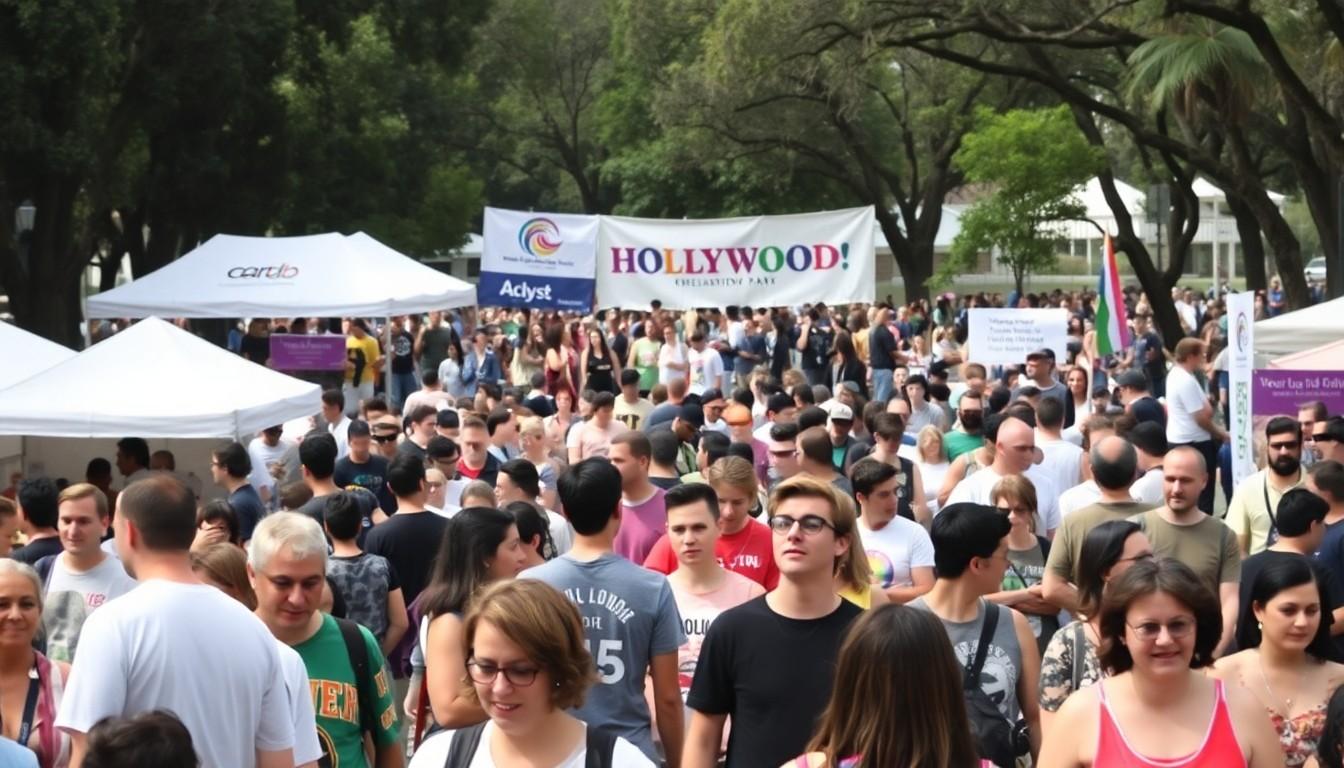
Thousands of people gathered at West Hollywood Park for AIDS Walk Los Angeles, turning a sunny Sunday into a powerful show of solidarity. With fundraising, remembrance and advocacy at its heart, the long-running event continues to support people living with HIV while reminding the city that community action still matters.
Essential Takeaways
- A long-running tradition: AIDS Walk Los Angeles has brought supporters together since 1985.
- A major fundraising effort: The event has raised nearly $100 million for HIV and AIDS-related work.
- A star-studded show of support: David Archuleta, Joel Kim Booster and Michaela Jae Rodriguez joined the day’s activities.
- A continuing need: Organisers say awareness, healthcare access and reliable funding remain vital.
- A community-led atmosphere: Walkers, students, advocates and families shared the route with a warm, determined energy.
Thousands walk for a cause that still needs attention
The most striking thing about AIDS Walk Los Angeles isn't simply the size of the crowd. It's the feeling of collective purpose: footsteps on the pavement, bright event shirts, familiar faces greeting one another and a cause that refuses to fade into the background.
Held at West Hollywood Park, the latest walk brought together community members, supporters and advocates raising money for APLA Health. The organisation's work includes services and support for people living with HIV, making every donation part of a much wider care network.
AIDS Walk Los Angeles' official website describes the event as a community fundraising effort focused on ending HIV and AIDS. That combination of practical help and public visibility is important, particularly when health issues can too easily disappear from everyday conversation.
Why AIDS Walk Los Angeles remains relevant
The event dates back to 1985, a period when the HIV and AIDS crisis was surrounded by fear, misinformation and devastating loss. Four decades later, treatment and prevention have changed dramatically, but the need for support, education and dignity hasn't disappeared.
According to APLA Health, the walk helps fund services that reach people affected by HIV. Its continued presence also sends a clear message: progress isn't the same as completion, and public attention still has a role to play.
That message felt especially resonant this year. With concerns about government funding and healthcare security, community events such as this offer both practical fundraising and a visible reminder that people aren't facing the issue alone.
Celebrities add volume, but the crowd is the real star
Actor and comedian Joel Kim Booster joined the event to help keep HIV advocacy in the public conversation. Singer David Archuleta also attended, describing the atmosphere as positive and welcoming, while Michaela Jae Rodriguez received APLA Health's first Voice of Visibility Award.
Their involvement brought familiar names to the stage, but the emotional centre of the day remained the people who return year after year. Some walked in memory of loved ones, others to support friends or family, and many simply wanted to stand alongside a community they believe in.
It's an appealingly simple idea. You don't need a red carpet or a dramatic speech to make a difference, although a good pair of trainers certainly helps.
How the fundraising effort supports wider work
AIDS Walk Los Angeles isn't just a symbolic march. Donations raised through the event support APLA Health and contribute to services for people living with HIV, as well as broader education and advocacy work.
The event's fundraising pages invite individuals, teams and organisations to take part in different ways. That makes it accessible whether you're a seasoned fundraiser, a workplace group or someone making a first donation.
For anyone considering supporting a similar campaign, the most useful approach is usually straightforward. Check where the money goes, look for clear information about the organisation's programmes and choose a fundraising method that feels sustainable rather than spectacular.
A legacy carried by younger generations
One of the most moving details from the event is the role played by students from Oakwood School. The school has taken part in every AIDS Walk Los Angeles since the first event, placing it among a very small number of groups with that record.
That continuity matters. It links the people who remember the early years of the crisis with younger participants who are growing up in a different medical and social landscape, but who still understand the importance of empathy and action.
The organisers' long-term ambition remains clear: to help end HIV and AIDS within our lifetime. Reaching that goal will require medical progress, political commitment and the kind of ordinary, persistent participation seen on the streets of West Hollywood.
For many walkers, though, the motivation is more personal. As APLA Health's event information makes clear, community support remains one of the strongest ways to turn concern into meaningful help.
It's a small step for each walker, but together those steps keep the cause moving forward.
Source Reference Map
Story idea inspired by: [1]
Sources by paragraph:
- Paragraph 1: [2], [3]
- Paragraph 2: [3], [5]
- Paragraph 3: [2], [4]
- Paragraph 4: [3], [7]
- Paragraph 5: [5], [7]
- Paragraph 6: [2], [3]
- Paragraph 7: [4], [6]
- Paragraph 8: [4], [7]
- Paragraph 9: [2], [5]
- Paragraph 10: [2], [3]
- Paragraph 11: [5], [7]
- Paragraph 12: [2], [3]
- Paragraph 13: [4], [6]
- Paragraph 14: [2], [3]
- Paragraph 15: [5], [7]
- Paragraph 16: [2], [3]
- Paragraph 17: [4], [5]
- Paragraph 18: [2], [3]