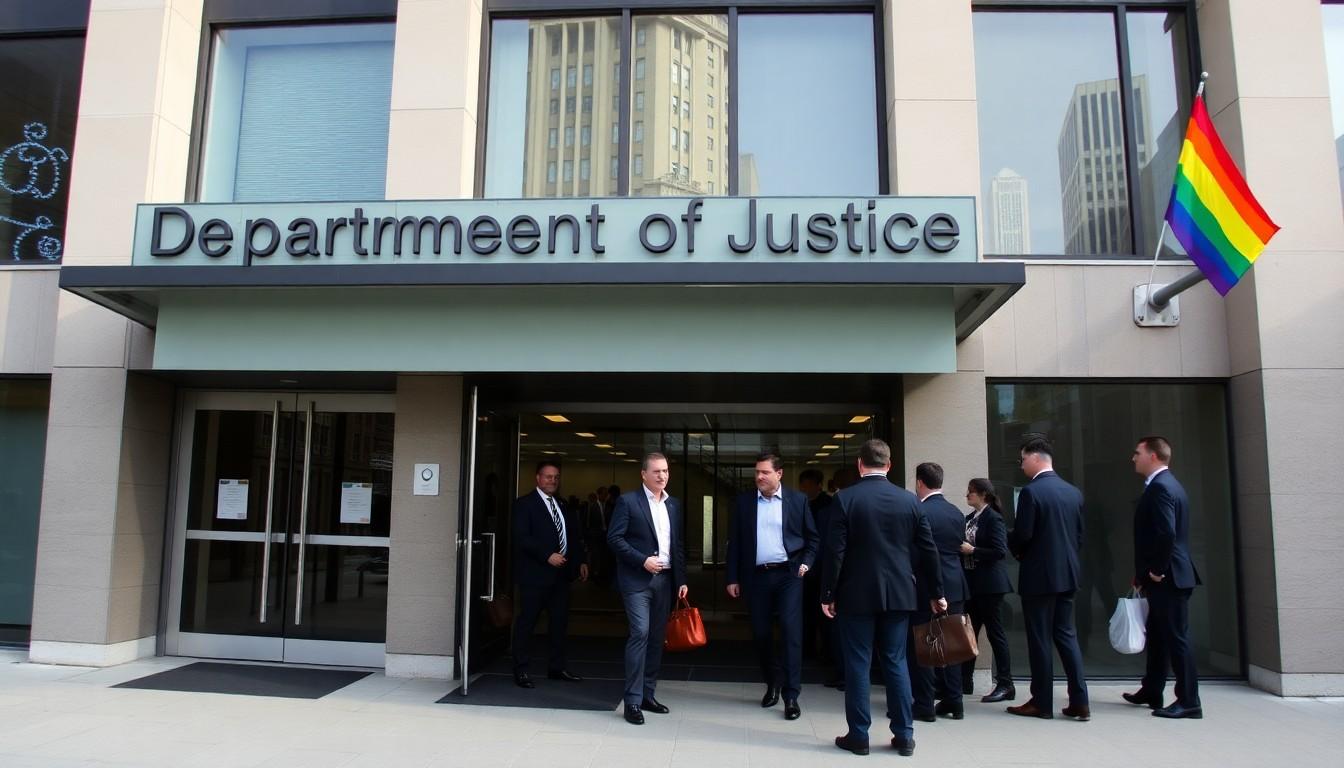
Newly released records offer a closer look at how LGBTQ advocacy groups engaged with the US Justice Department during Joe Biden’s presidency, including meetings on transgender rights, healthcare, education and hate crimes. The documents have reignited debate over how outside organisations should shape federal civil rights priorities, while leaving some questions about direct policy influence unanswered.
Essential Takeaways
- Regular meetings: The Civil Rights Division held quarterly discussions with LGBTQ advocacy organisations and federal officials.
- Policy requests: Groups raised transgender healthcare, bathrooms, school protections, sports and hate-crime enforcement.
- Government response: Former officials discussed related litigation and federal actions during the meetings.
- Evidence limits: The records don't establish that a specific DOJ case or investigation came directly from an activist recommendation.
- Policy shift: The working group was closed after Donald Trump returned to office.
The documents reveal an unusually direct dialogue
The strongest impression from the records is the sheer breadth of the conversation. Advocacy groups weren't simply attending ceremonial briefings. They were submitting issues for discussion, while Justice Department officials responded with updates on litigation and enforcement priorities.
The meetings covered subjects ranging from gender-affirming care and bathroom access to school protections and reported threats of violence. That mix made the sessions feel less like a narrow legal consultation and more like a rolling policy forum, with campaigners bringing concerns directly to federal decision-makers.
The Justice Department's archived readouts describe these gatherings as stakeholder engagement intended to hear from LGBTQI+ communities and discuss civil rights enforcement. The newly reported documents add detail to how those meetings worked in practice. [3], [4]
What did advocacy groups ask the department to do?
The submitted agenda items included calls to restrict or halt state legislation affecting transgender people, greater federal involvement in related disputes and discussion of healthcare litigation. Other topics included protections for LGBTQI+ pupils and teachers, hate-crime concerns and strategic DOJ participation.
The American Civil Liberties Union, Human Rights Campaign, Lambda Legal, Southern Poverty Law Center, National Women's Law Center and Transgender Law Center were among the organisations connected to the discussions. The ACLU's wider LGBTQ rights work includes legal challenges, policy advocacy and public education, providing useful context for why such meetings mattered to the groups involved. [2]
That doesn't mean every request became government policy. The records themselves don't prove a direct chain from a particular suggestion to a particular filing, investigation or enforcement decision. Still, the agenda shows campaigners had a formal route into conversations that touched multiple federal agencies, which is politically significant.
DOJ officials linked the discussion to active litigation
At one 2023 meeting, former Assistant Attorney General Kristen Clarke addressed several issues raised by participants and referred to federal challenges involving state restrictions on transgender rights. She also discussed outreach, training, enforcement of federal statutes and concerns about threats against LGBTQ people.
Archived Justice Department accounts similarly portray the meetings as opportunities to explain the division's work, hear community concerns and discuss enforcement under existing civil rights laws. The contrast is important: supporters see consultation as a normal part of effective public administration, while critics may view the exchange as evidence that activist priorities received unusually close access. [4], [5]
The practical reality is probably somewhere in between. Federal agencies routinely consult affected communities, especially on civil rights matters. The harder question is whether consultation remained informational or became a form of agenda-setting. These documents suggest meaningful influence over what officials discussed, but they don't independently prove control over final decisions.
Why the political argument has become so heated
The dispute reflects a wider argument about who gets heard in Washington. Advocacy organisations say government works better when officials listen to people directly affected by legislation. Critics counter that unelected groups shouldn't be able to steer federal litigation or enforcement behind closed doors.
The Justice Department has now drawn a sharp distinction between the Biden-era approach and its own stated position under the current administration. A department spokeswoman told the Daily Signal that the Civil Rights Division now enforces federal law equally and that outside activists don't shape its litigation or enforcement decisions.
Meanwhile, the department's archived stakeholder readouts show the earlier administration presenting engagement as part of its civil rights mission. Those records make clear that the meetings were official and recurring, rather than informal one-off conversations. [3], [6]
What readers should take from the records
The documents are most useful when treated as evidence of access and discussion, not as proof that advocacy groups directly ordered government action. They show who attended, which subjects were placed on the table and how senior officials responded. They don't settle whether any individual policy was the result of those meetings.
That distinction matters because political claims often flatten complicated processes into a simple story of influence. In reality, federal decisions can involve lawyers, agency officials, court rulings, public pressure and internal policy review, all at once. A stakeholder meeting may shape attention without determining an outcome.
For anyone following US LGBTQ rights policy, the records offer a revealing snapshot of how the federal government engaged with advocacy groups during the Biden years. The closure of the working group after Trump's return to office also shows how quickly the machinery of consultation can change when administrations change direction. [5], [7]
It's a revealing case study in how access can shape the national policy conversation without proving who made the final call.
Source Reference Map
Story idea inspired by: [1]
Sources by paragraph: