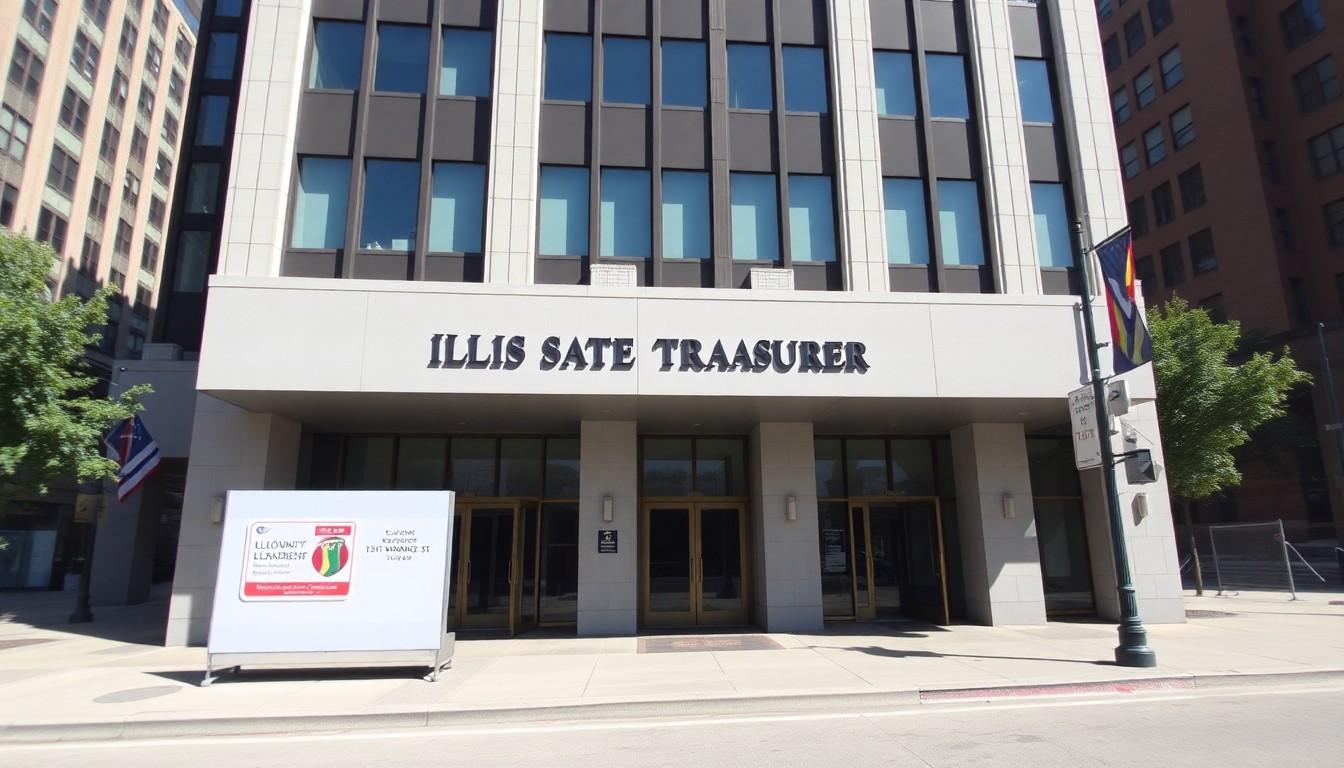
Illinois Treasurer Michael Frerichs has recognised eight LGBTQ+ leaders at a Chicago celebration, highlighting achievements across business, education, public service, sport and the arts. The event offered a timely reminder that LGBTQ+ history is also local history, shaped by the people strengthening communities across the state.
Eight Illinois leaders recognised for lasting contributions
The awards luncheon, held at the Illinois state government building in Chicago, brought together community figures and allies to mark LGBTQ+ History Month. The atmosphere was one of pride and appreciation, with each honouree recognised for work extending well beyond a single organisation or profession.
Frerichs said the recipients had helped make Illinois a better place through their commitment to justice, equal opportunity and inclusion, according to the Illinois State Treasurer's Office. It's a broad description, but it fits a group whose work reaches from theatre stages and sports leagues to classrooms, workplaces and neighbourhood campaigns.
The honourees span business, government and community work
Carol Himmel received the award for outstanding service in business. John Peller was recognised for leadership, while activist and organiser Robert Castillo received the community service honour.
Education leader Jin-Soo Huh was honoured for commitment to education, and Chicago 44th Ward Alderman Bennett Lawson was recognised as an elected official. Lauren Sugerman, formerly national policy director at Chicago Women in Trades, received the award for workforce and labour achievement.
The list also celebrates the less obvious places where community leadership grows. Marcia Hill was recognised for a career spanning athletics, coaching, officiating and sports administration, while Megan Carney, artistic director at About Face Theatre, received the arts and humanities award.
Why LGBTQ+ History Month still matters
LGBTQ+ History Month began in 1994 after Rodney Wilson, a Missouri teacher, proposed a dedicated period for learning about LGBTQ+ history. October was chosen partly because schools were open and because the month includes significant dates such as National Coming Out Day, according to the Illinois information service.
The observance has since gained support from groups including GLAAD and the National Education Association. Equality Forum continues to promote it through profiles of LGBTQ+ figures and their achievements, helping history feel less like a distant textbook subject and more like something happening in workplaces, schools and streets today.
Chicago event connects history with everyday leadership
One strength of the celebration is its range. Recognition wasn't limited to elected officials or nationally known names; it also included people working in community organising, vocational support, sport and independent business.
That matters because representation is often built through steady, practical work. A coach who keeps a league welcoming, an educator opening doors for new voices or a chef running a business can all influence how safe and supported a community feels. The work may not always make headlines, but its effects are often deeply personal.
A reminder that recognition can build momentum
The Illinois Treasurer's Office says its wider role includes managing investments, supporting education and retirement savings, and returning unclaimed property through the ICash programme. Against that institutional backdrop, the LGBTQ+ History Month event placed a more human focus on public service: celebrating people whose efforts create opportunity and connection.
Awards can't capture every contribution, of course. But they can make valued work visible, particularly at a time when communities are still asking whose stories are remembered and who gets to shape the future.
Recognition is most meaningful when it leads to continued inclusion.
Source Reference Map
Story idea inspired by: [1]
Sources by paragraph: