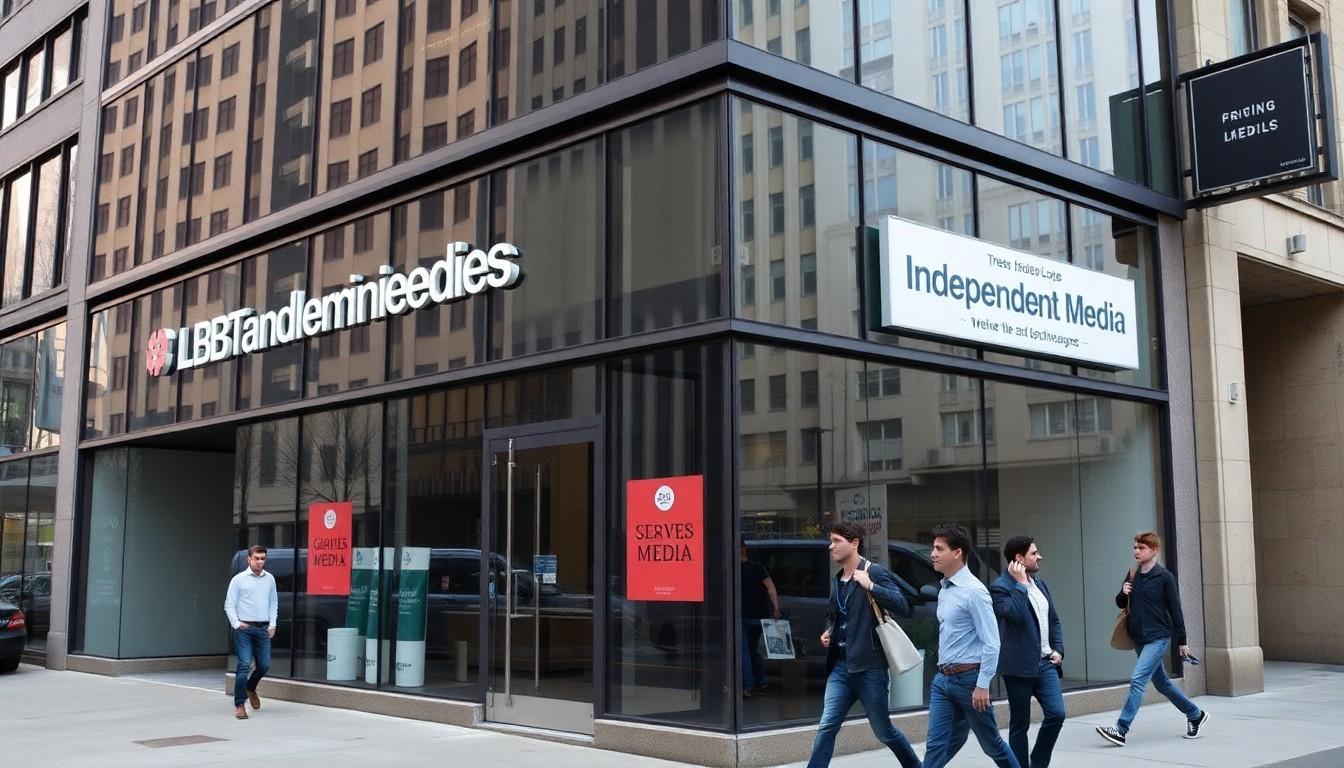
Queer media is facing layoffs, shrinking budgets and political pressure, but its long history of adaptation offers a reason for hope. From activist newsletters to podcasts and independent creators, LGBTQ+ journalism still matters because it tells stories mainstream outlets too often overlook.
Essential Takeaways
- The pressure is real: LGBTQ+ publications are dealing with cuts, mergers, smaller audiences and nervous advertisers.
- History offers a blueprint: Queer outlets have repeatedly survived by changing format and finding overlooked stories.
- Independent voices are growing: Podcasts, newsletters and creator-led platforms are becoming trusted sources, particularly for younger audiences.
- Distinctive coverage matters: Queer media remains valuable when it offers context, representation and community that mainstream news misses.
- Readers have influence: Subscriptions, donations, event attendance and sharing reliable work can help sustain fragile outlets.
Queer media is under pressure, but not defeated
The current squeeze on journalism is affecting almost every corner of the industry. For queer publications, though, the strain can feel sharper, with smaller budgets, more limited advertising options and additional political scrutiny creating a particularly difficult operating climate.
The Progressive reported that LGBTQ+ outlets are navigating layoffs, cutbacks and consolidation while trying to maintain coverage for communities that mainstream news often treats as an occasional subject rather than a permanent audience. The result is a worrying contradiction: queer journalism is needed precisely when the organisations producing it have fewer resources.
That pressure isn't only financial. When publishers become cautious about controversial subjects or advertisers retreat from politically sensitive spaces, reporters can lose the freedom and stability needed to do sustained work. A newsroom may be small, but the stories it carries are rarely small to the people involved.
A scrappy tradition runs through LGBTQ+ publishing
Queer media has never enjoyed an easy path to survival. Publications have historically worked around censorship, police harassment, social stigma and limited commercial support, often building loyal readerships through persistence rather than scale.
The Advocate, for example, emerged in the 1960s as a vital source of information about police raids and discrimination affecting gay communities. Later, LGBTQ+ magazines expanded into fashion, celebrities, culture and lifestyle, giving readers something more affirming than the grim, narrow portrayals often found elsewhere.
That history matters because it shows that survival has rarely meant standing still. According to reporting from The Guardian, the sector's future will depend partly on whether publishers can preserve their editorial purpose while adjusting to a fragmented media environment. In other words, the old instinct remains useful: find the story people aren't getting anywhere else.
Podcasts and independent creators are changing the route to readers
The modern queer media landscape is no longer built around a handful of recognisable magazines and websites. Podcasts, newsletters, video channels and social platforms have created new ways for journalists and commentators to reach audiences directly.
NPR reported that independent creators are increasingly important to younger audiences, who may be less attached to traditional mastheads and more interested in individual voices they can follow across several platforms. That shift can be liberating, particularly for journalists who want to build a personal relationship with listeners and readers.
It also creates fresh uncertainty. Independent work can be intimate and responsive, but it may depend on one person's time, income and emotional energy. A trusted podcast can feel wonderfully close, yet that closeness doesn't automatically pay the bills or provide the safety net of a larger newsroom.
Why specialist coverage still earns its place
Mainstream outlets can cover LGBTQ+ politics, culture and rights, but specialist publications bring a depth of knowledge and lived context that's difficult to reproduce on deadline. They know the communities, recognise the history and can spot why a seemingly small policy change may carry enormous consequences.
BBC reporting on changing media habits has highlighted the broader move towards digital-first consumption and personality-led journalism. For queer outlets, that trend is both a challenge and an opportunity. A publication can no longer assume that readers will arrive simply because its brand is established, but it can build loyalty by being useful, distinctive and genuinely present.
The strongest coverage also gives readers room to see themselves beyond crisis reporting. Fashion, relationships, entertainment, health and ordinary community life aren't distractions from queer journalism. They're part of the reason it exists, offering validation and a sense that LGBTQ+ lives deserve the full range of reporting.
Readers can help shape what comes next
There isn't one magic business model waiting to rescue queer media. Some outlets may rely on memberships, others on events, grants, subscriptions, partnerships or carefully chosen advertising. Many will need a mixture of income streams, along with the willingness to experiment without losing editorial trust.
CBC reporting on the pressures facing media organisations points to a wider truth: audiences increasingly influence which publications endure. Supporting a newsroom might mean paying for a subscription, donating during a campaign or simply sharing a well-reported article with people who need it. Those actions are modest individually, but they become meaningful when repeated across a community.
The future may look less tidy than the era of a few dominant magazines. It could also be more varied, with local reporting, specialist newsletters and independent broadcasters working alongside established outlets. That feels less like the end of queer media than another reinvention, albeit one taking place under considerable pressure.
Queer journalism has survived before by staying useful, inventive and close to its readers.
Source Reference Map
Story idea inspired by: [1]
Sources by paragraph: