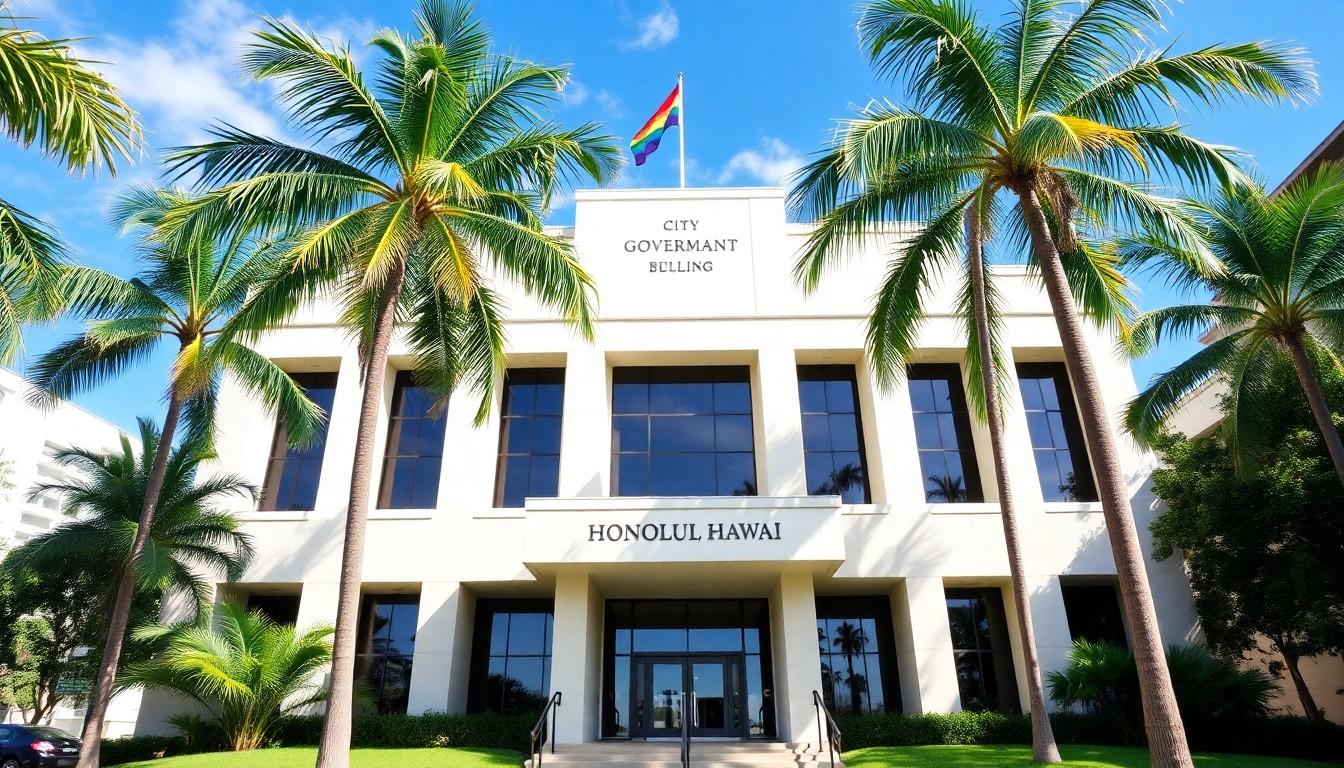
Hawaii voters are weighing more than candidates this November, with Honolulu Charter Question No. 4 asking whether the city should create a nine-member LGBTQIA+ Commission. The proposal has sparked a wider conversation about representation, civic participation and how local government can hear communities that have often been overlooked.
Essential Takeaways
- What Question No. 4 proposes: A nine-member commission would advise Honolulu’s mayor, City Council and city agencies.
- What it would focus on: Policies, programmes and legislation intended to promote equality for LGBTQIA+ communities.
- Why it matters: Supporters say formal advice could give historically underrepresented residents a clearer route into local decision-making.
- What voters should do: Read the full wording, check reliable election information and understand the practical effect before voting.
- The wider issue: Representation sits alongside everyday concerns such as housing, healthcare, education, work and public safety.
A ballot question with consequences beyond the ballot box
The strongest argument around Honolulu’s LGBTQIA+ Commission proposal is simple: people are more likely to trust public institutions when they can see their experiences reflected in the room. That doesn’t mean every LGBTQIA+ resident shares the same politics, but it does mean a broader range of voices can shape the questions government asks.
Question No. 4 would establish a nine-member body with an advisory role. According to Hoku Pacific, the proposed commission would help inform city policy and encourage a more direct relationship between LGBTQIA+ communities and local government.
That distinction matters. An advisory commission wouldn’t replace elected officials or make laws on its own, but it could influence priorities, highlight gaps in services and recommend changes. In practical terms, it’s a formal channel for concerns that might otherwise arrive only through occasional testimony, complaints or election campaigns.
Why representation still carries weight
For a young person wondering whether public life has room for them, seeing an openly LGBTQIA+ leader can make government feel less distant. For a family trying to navigate housing, healthcare or public services, respectful treatment can determine whether they ask for help in the first place.
The case for representation is therefore larger than identity alone. LGBTQIA+ residents, like everyone else, are affected by rent, wages, schools, transport and safety. The benefit of a commission would be its ability to connect those everyday pressures with the experiences of people who may face additional barriers.
Hawaii Public Radio’s voting explainer places the proposal within the broader set of Honolulu charter questions facing voters. That context is useful because charter amendments can sound technical, while their effects may shape how residents participate in city government for years.
What the proposed commission would actually do
The proposal is advisory rather than executive. Its members would offer recommendations to the mayor, City Council and city agencies, with a remit covering equality-focused policies, programmes and legislation.
That could include identifying service gaps, reviewing how policies affect LGBTQIA+ residents and encouraging agencies to consult communities before decisions are finalised. The commission’s influence would depend on the quality of its advice, the experience of its members and whether city leaders act on what they hear.
Supporters at Hoku Pacific argue that a dedicated commission would give LGBTQIA+ residents a consistent point of contact rather than relying on informal access. It’s a modest-sounding structural change, but sometimes the quietest machinery of government has the longest reach.
How to assess Question No. 4 before voting
Start with the official ballot wording and ask three practical questions. Who would appoint or select the members? What powers would the commission have? And how would the city measure whether its recommendations were making a difference?
The Honolulu City Council’s Oahu Votes information provides a useful place to check election material, while Hawaii House Republicans and other organisations offer competing perspectives on the charter questions. Reading more than one viewpoint is especially important when campaign language becomes warmer or sharper than the underlying legal text.
Voters should also separate the proposal’s principle from its administration. You might support stronger LGBTQIA+ participation while still wanting clarity about membership, accountability and cost. Those are not contradictory positions; they’re the sensible details that make a public body credible.
A broader test of civic participation
The wider debate is about who gets heard before decisions are made, not simply who wins an election. The Libertarian Party of Hawaii’s review of the charter amendments raises questions about government structure and the limits of new commissions, while other campaign groups present Question No. 4 as a way to improve inclusion.
That disagreement is healthy, provided voters engage with the substance rather than the slogans. Democracy is rarely improved by treating a ballot as a personality test. It works better when residents understand the proposal, consider its likely consequences and respect that neighbours may reach a different conclusion.
For Hawaii’s LGBTQIA+ communities, the question also carries an emotional message. A formal invitation to participate can say that public life belongs to them too. Whether voters approve or reject the proposal, the conversation has already underlined a basic point: local government works best when the people affected by its decisions can be heard clearly.
Make time to read the wording, compare the arguments and vote with confidence.
Source Reference Map
Story idea inspired by: [1]
Sources by paragraph: