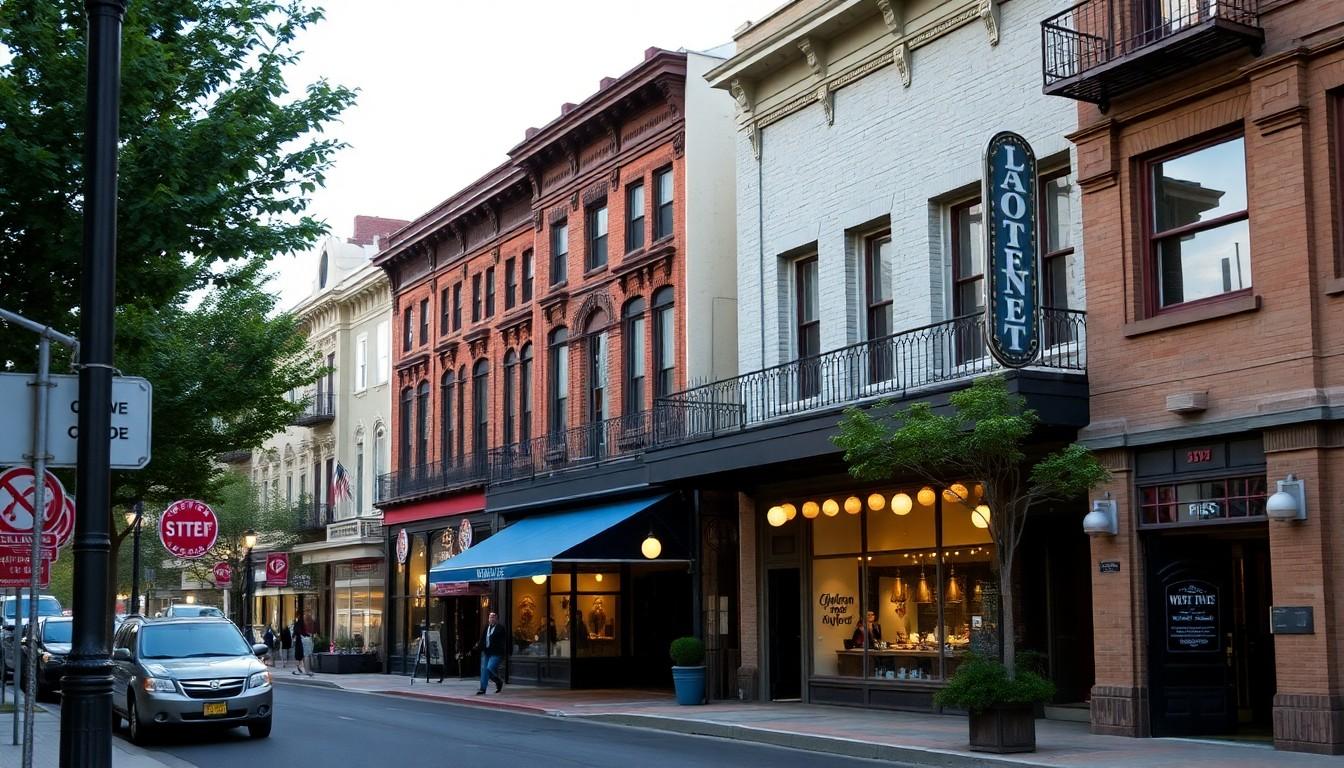
Sacramento’s Lavender Heights is being considered for historic district status, recognising the LGBTQ+ community’s role in activism, care and connection. The proposed designation would cover roughly a dozen buildings in the California neighbourhood, giving residents and visitors a clearer way to understand why these places still matter.
Essential Takeaways
- A draft proposal: Sacramento is reviewing plans to designate Lavender Heights as an LGBTQ+ historic district.
- About a dozen sites: The proposed area includes former community spaces and longstanding venues such as Faces Nightclub and The Merc.
- History beyond buildings: The project also highlights activism, healthcare, business leadership and community care during the AIDS crisis.
- Public input matters: The plan remains unfinished, with feedback expected before any final decision.
- A wider cultural lens: Sacramento is also exploring cultural districts that could recognise people and stories, not just properties.
Lavender Heights’ story is bigger than its nightlife
Lavender Heights is often described as Sacramento’s LGBTQ+ heart, but the proposed historic district aims to show that its importance reaches well beyond bars and entertainment venues. The neighbourhood became a place where people could meet openly, organise and find support when public acceptance was far from guaranteed.
That social history gives the area its particular emotional weight. The city’s LGBTQ+ Experience Project and preservation work focus on community memories, important buildings and the people who helped shape Sacramento’s queer life. It’s a reminder that a neighbourhood can be historically significant because of what happened inside its walls, not simply because of how old those walls are. (According to the City of Sacramento’s LGBTQ+ Experience Project and draft preservation material.)
For visitors, that makes Lavender Heights more than a colourful stop on a city itinerary. It’s a living neighbourhood with stories tucked behind familiar shopfronts, signs and doorways. (CBS Sacramento has also reported on the effort to preserve Sacramento’s LGBTQ+ history.)
Why places like The Merc mattered so much
Before social media, dating apps and online community groups, queer venues were often essential meeting points. The Mercantile Saloon, widely known as The Merc, offered people somewhere to find one another and feel less isolated, particularly during decades when many remained closeted.
Faces Nightclub, which opened in the 1980s, is another proposed landmark with a long community connection. Its story includes not only nightlife but also support for local causes and the Rainbow Festival, helping show how businesses could become informal civic institutions. (CBS Sacramento’s coverage and local preservation reporting describe the importance of these venues.)
That context matters because nightlife can be easy to dismiss as entertainment alone. In Lavender Heights, a dance floor, bar or back room could also function as a noticeboard, meeting place and safety net. The draft district plan treats those everyday spaces as part of Sacramento’s wider LGBTQ+ heritage. (The City of Sacramento’s draft Lavender Heights district report.)
The AIDS crisis left a painful healthcare legacy
One of the most sobering sites linked to the proposal is a building associated with early care for people with AIDS. At a time when fear, misinformation and homophobia could make hospitals intimidating or inaccessible, queer doctors and community members stepped in to provide care.
That history carries a heavy human cost. Some of the doctors who treated early patients later died from the disease themselves, a detail that brings the period’s courage and loss into sharp focus. (The draft preservation report and CBS Sacramento’s reporting discuss Lavender Heights’ healthcare history.)
Preserving this story isn’t about turning suffering into a museum display. It’s about recording how communities responded when official systems failed them, and ensuring younger generations understand the work behind today’s greater visibility. A plaque or protected building can’t tell the whole story, but it can help keep the conversation open. (According to Sacramento’s LGBTQ+ Experience Project and related preservation documents.)
What historic district status could change
Historic designation could help protect buildings tied to the neighbourhood’s LGBTQ+ past and make their significance clearer in future planning decisions. The current proposal grew from a city-funded study that included interviews with residents, business owners and people who experienced Lavender Heights over several decades.
The draft plan is not yet final, so the details and timeline could still change. Public feedback will be important, particularly because preservation can affect property owners, businesses and the character of a neighbourhood. (The City of Sacramento’s draft district report and CBS Sacramento’s review of the proposal.)
There’s also a broader question: is protecting buildings enough? Sacramento has begun considering cultural districts that could recognise notable people, events and traditions alongside physical sites. That approach could make Lavender Heights’ history more complete, especially where important stories happened in buildings that no longer exist. (The City of Sacramento’s LGBTQ+ Experience Project and local coverage of the preservation initiative.)
A neighbourhood with history still being written
The proposal arrives at a time when LGBTQ+ historic places across the United States are receiving more attention. Communities are increasingly documenting the clubs, clinics, shops and meeting spaces that official histories once overlooked, often using oral histories and local archives to fill the gaps.
Lavender Heights is well placed for that kind of recognition because its legacy remains visible in the businesses and organisations that continue to serve the community. The challenge will be balancing preservation with everyday life, keeping the district useful and welcoming rather than freezing it in the past. (The draft city report and regional reporting place the proposal within Sacramento’s wider preservation work.)
For locals, the process offers a chance to add memories and correct omissions. For visitors, it could eventually provide a richer way to explore the area, with more context behind the places they see. History feels different when it’s still part of the neighbourhood’s daily rhythm.
A formal designation could help Lavender Heights keep its stories visible, while leaving room for the next chapter.
Source Reference Map
Story idea inspired by: [1]
Sources by paragraph:
- Paragraph 1: [2], [4]
- Paragraph 2: [2], [4]
- Paragraph 3: [7]
- Paragraph 4: [3], [6]
- Paragraph 5: [3], [4]
- Paragraph 6: [4], [7]
- Paragraph 7: [4], [7]
- Paragraph 8: [2], [4]
- Paragraph 9: [3], [4]
- Paragraph 10: [2], [7]
- Paragraph 11: [4], [6]
- Paragraph 12: [2], [3]
- Paragraph 13: [4], [7]
- Paragraph 14: [2], [4]
- Paragraph 15: [3], [6]