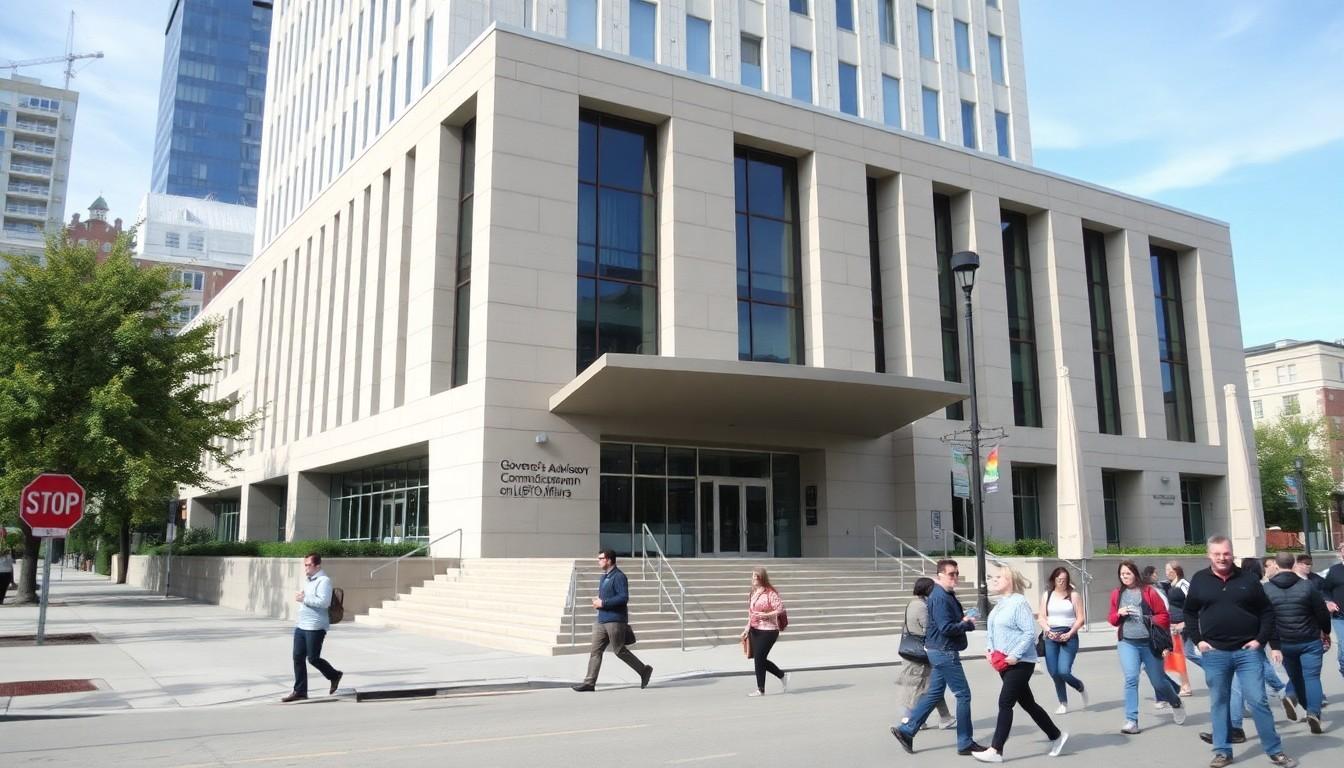
Pennsylvania drag performers are being invited to a free virtual listening session on 18 November 2026, offering artists across the state a chance to discuss safety, opportunities and community support. The evening is designed as an open conversation, not a pre-written policy exercise, giving both established performers and newcomers room to be heard.
Essential Takeaways
- When it’s happening: The virtual session is scheduled for Wednesday, 18 November 2026, from 6pm to 8.30pm.
- Who can join: Drag artists at every stage, from newcomers to long-time performers, are encouraged to take part.
- What’s on the agenda: Discussion will cover event communication, performance opportunities, safety resources and community connections.
- Why it matters: The session aims to gather practical experiences before future support and conversations are shaped.
- How to attend: Participation is free, with online details supplied to people who register.
A statewide invitation for Pennsylvania drag artists
The most important part of this drag community listening session is its open-door approach. Rather than presenting a finished plan, Governor Josh Shapiro’s Advisory Commission on LGBTQ Affairs is asking performers to describe what life actually looks like on the ground. That could mean a crowded dressing room, a last-minute booking message or the quieter worry about getting home safely after a show.
According to QBurgh, the Pennsylvania gathering is intended to bring artists from across the state into the same virtual room. That statewide focus matters because performers in larger cities and smaller communities may face very different challenges, even when the glitter, nerves and hard work look familiar. (Sources: QBurgh; Erie Gay News.)
What the listening session will cover
The proposed conversation is broad but practical. Organisers want to hear how information about drag events and available performance work is shared, as well as where communication currently falls short. For artists trying to build a career, finding a reliable opportunity can be just as important as finding a safe and welcoming venue.
Safety is another central theme, particularly around Pride celebrations and public performances. Community listening sessions in Pennsylvania have increasingly been framed as opportunities for people to explain what support looks like in real life, rather than simply reacting to headlines. (Sources: Pennsylvania Governor's Office; Rainbow Rose Center.)
The discussion will also consider how performers can share resources and support one another. That could include recommendations for venues, event organisers, transport, security or simply knowing whom to contact when something goes wrong.
Why a virtual format could help
A digital meeting won't solve every access issue, but it can make a statewide conversation easier to join. Performers who live far from Harrisburg or Philadelphia won't need to budget for travel, and newer artists may find an online room less intimidating than walking into a formal civic meeting.
There is also a useful sense of immediacy to a virtual format. Ideas can be raised directly, patterns can emerge quickly and organisers may hear from people who don't usually have the time or confidence to attend in-person events. The Governor's administration has used listening-led approaches elsewhere to gather community experiences before deciding what comes next. (Sources: Pennsylvania Governor's Office; Rainbow Rose Center.)
How performers can prepare
Anyone planning to attend may find it helpful to note down one or two specific experiences in advance. A short example about booking communication, venue safety or access to local support can be more useful than a general complaint, especially when organisers are trying to identify practical next steps.
It may also help to think beyond personal challenges. Which resources would make life easier for several performers? What information is difficult to find? And what would a genuinely useful statewide network look like? Those questions could turn a two-and-a-half-hour meeting into the start of something more durable.
The session is intended for people at every point in their drag journey, so nobody needs a polished résumé or a perfectly worded speech. Sometimes the most valuable contribution is the small detail that makes others say, "Yes, that happens to me too."
What happens after the conversation?
The invitation does not promise predetermined outcomes, and that is worth noting. A listening session is only useful if people's contributions are recorded, revisited and connected to visible action, whether that means clearer event information, stronger safety guidance or better links between performers and local organisations.
Still, opening a statewide channel is a meaningful first move. Pennsylvania's drag community is varied, energetic and spread across very different local scenes, so a single conversation won't capture everything. But it could help turn isolated experiences into shared priorities, which is often where practical change begins. (Sources: QBurGH; Pennsylvania Governor's Office.)
For Pennsylvania drag artists, this is a chance to bring lived experience into the conversation before the next chapter is written.
Source Reference Map
Story idea inspired by: [1]
Sources by paragraph: