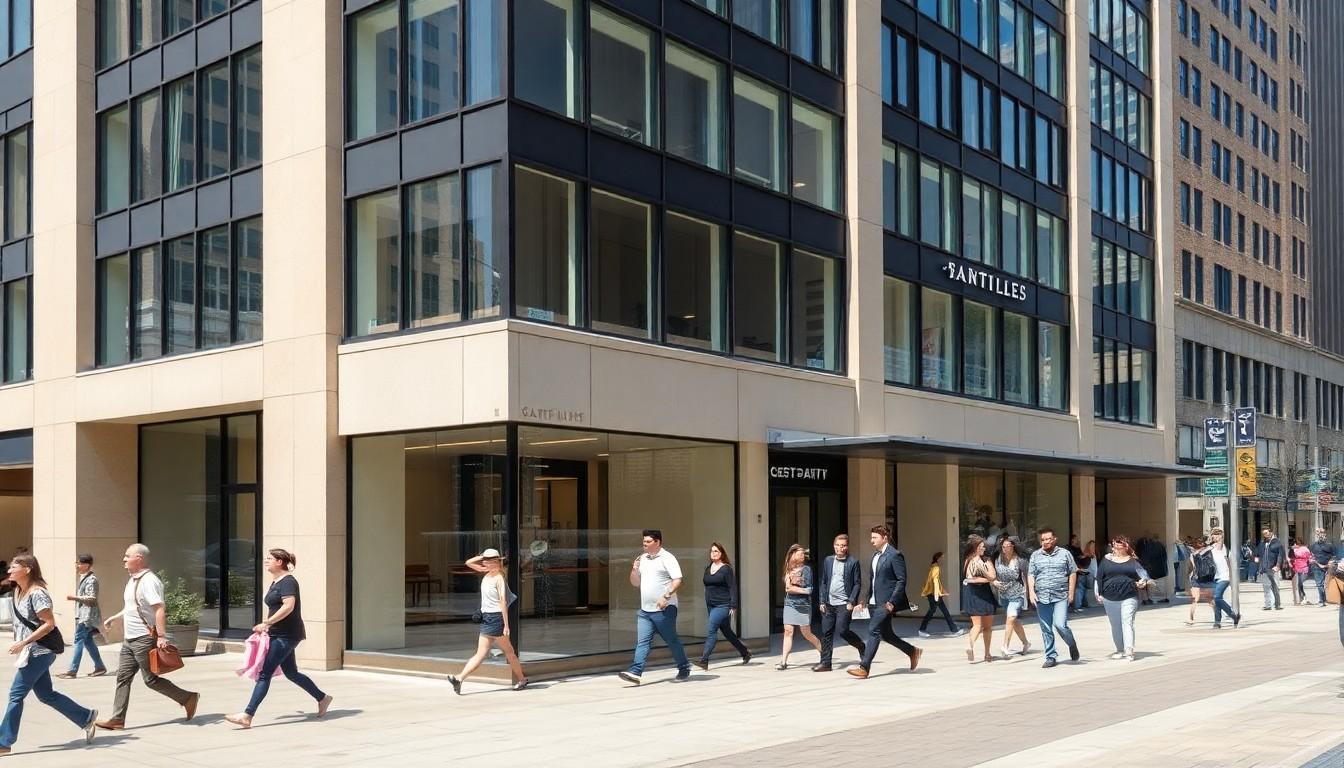
Minneapolis has removed an AIDS-era ban on adult bathhouses, opening the door to a possible new business with a very modern pitch: combine sexual-health services, community space and polished wellness facilities. The idea is attracting advocates and entrepreneurs, but zoning, inclusion and whether the numbers work remain serious questions.
Essential Takeaways
- The ban has gone: Minneapolis City Council removed a rule introduced during the HIV crisis.
- A new model is emerging: One proposal imagines a clean, upscale venue with fitness, spa and cafe facilities.
- Public health is central: Advocates say licensed spaces could make testing, prevention and outreach easier.
- The sums are substantial: Estimated development costs range from $5 million to $6 million.
- The details matter: Location, licensing, gender inclusion and sustainable cash flow could decide the outcome.
Minneapolis is betting on regulation, not prohibition
The biggest shift is philosophical as much as legal. Minneapolis no longer treats these venues solely as a public-health threat, reflecting how HIV prevention and treatment have changed since the original ban was introduced in 1988. Local and national coverage, including reporting by CBS News Minnesota and the Washington Post, has framed the decision as a long-delayed reassessment of an AIDS-era policy.
That doesn't make the subject less sensitive. It does, however, move the conversation away from pretending the behaviour doesn't happen. Advocates argue that a regulated venue could offer a safer, more visible setting than parks, public spaces or informal arrangements that health workers struggle to reach, according to MPR News and Metro Weekly.
The proposed bathhouse would look more like a health club
Forget the stark, functional image associated with older venues. The Minneapolis entrepreneur exploring the idea has described something closer to a high-end health club, with carefully maintained showers, steam rooms, fitness facilities, spa elements, a cafe and a broader wellness offer.
That ambition is important because presentation could shape public acceptance. A discreet but polished venue may be easier to regulate, easier to staff and more attractive to visitors than a hidden operation in an overlooked building. San Francisco's continuing debate over how bathhouses should operate shows that licensing alone doesn't settle every question, according to KALW.
The suggested footprint is sizeable, too. A venue of roughly 30,000 square feet could require between $5 million and $6 million to develop, including a building purchase. That is a serious investment for a business serving a specialised market, particularly when cleaning, security, insurance and staffing costs are added to the mix.
Can the numbers support a luxury venue?
The business case is promising on paper, but far from guaranteed. The proposal would need to attract local members, occasional users and travellers, while also generating enough income to cover a large property and a high standard of hygiene. An estimated $250,000 to $400,000 in tax revenue would be welcome for the city, but it doesn't remove the operator's commercial risk.
Travel demand could be especially important. Established bathhouses often cluster near urban centres, where hotels, nightlife and public transport create a ready-made customer base. Minneapolis would need to balance that convenience with neighbourhood concerns, a challenge highlighted in reporting from the Star Tribune and the Washington Post.
There is also a useful reality check close to home. St Paul never adopted the same ban, yet it doesn't currently have a thriving bathhouse industry. In other words, legal permission may be necessary, but it clearly isn't sufficient.
Public health gives the proposal a wider purpose
Supporters aren't presenting the idea as a private club with a few health posters on the wall. Dylan Boyer of The Aliveness Project has argued that a licensed space could support testing, safer-sex information and contact with communities that are often missed by conventional outreach, according to MPR News and Metro Weekly.
That matters because public-health services work best when they meet people where they are. A venue with trained staff, clear rules and accessible information could make prevention feel routine rather than judgemental. The approach also reflects a wider shift in health policy, from simply restricting risky settings to making them more controlled and useful.
Still, public funding would need careful handling. The mayor's office has indicated that any arrangement should strengthen the local economy rather than leave taxpayers carrying an open-ended bill, as CBS News Minnesota reported. Licensing fees and transparent performance measures could become part of the compromise.
Inclusion could shape the rules before the doors open
The most difficult question may not be financial. Traditional North American bathhouses have often been designed for men, whether explicitly or because that is who used them. Minneapolis now faces pressure to avoid creating a venue that excludes trans and non-binary people while also recognising the preferences and privacy concerns of its likely core audience.
That tension won't be solved by a vague equality statement. Operators may need clear policies on access, privacy, behaviour, staff training and facilities, with rules that are practical rather than performative. The Star Tribune and Metro Weekly both highlighted inclusion as part of the debate surrounding the repeal.
Zoning will be just as consequential. If the city pushes a venue into an isolated area, it could undermine safety, transport links and the intended public-health benefits. But locating it in a busy central neighbourhood will require thoughtful engagement with nearby residents and businesses.
Minneapolis has opened the door, not guaranteed success
The city's decision creates an opportunity, but the next stage will be slower and more technical. Officials still need to develop operating rules, decide where venues can locate and determine how licensing would work. San Francisco's experience suggests that establishing a workable framework can take time, especially when public health, commercial interests and community expectations overlap.
For entrepreneurs, the lesson is simple: this is not a licence to build a flashy spa and hope demand follows. The strongest proposal will probably be the one that treats hygiene, outreach, security and inclusion as part of the core service rather than expensive extras.
Minneapolis may yet become a test case for whether adult bathhouses can operate as regulated, socially useful businesses. For now, the boldest idea is also the most practical one: if such spaces exist, make them cleaner, safer and easier to reach.
It's a legal opening, but turning it into a viable venue will take much more than a change to city code.
Source Reference Map
Story idea inspired by: [1]
Sources by paragraph:
- Paragraph 1: [2], [3]
- Paragraph 2: [4], [5]
- Paragraph 3: [1], [7]
- Paragraph 4: [1], [6]
- Paragraph 5: [1], [3]
- Paragraph 6: [4], [5]
- Paragraph 7: [1], [2]
- Paragraph 8: [1], [6]
- Paragraph 9: [4], [5]
- Paragraph 10: [2], [6]
- Paragraph 11: [5], [6]
- Paragraph 12: [3], [7]
- Paragraph 13: [1], [4]
- Paragraph 14: [2], [3]