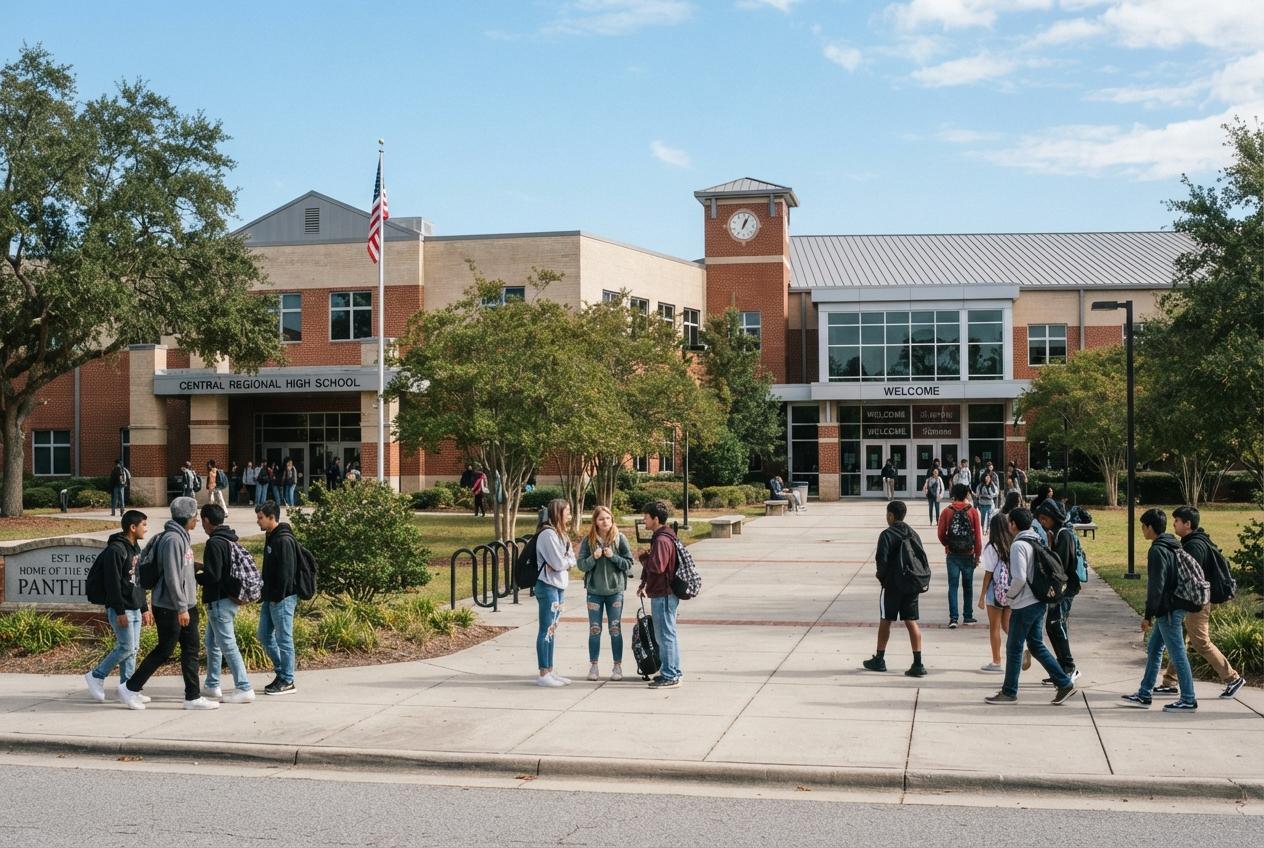
New US survey figures suggest a sharp fall in the number of high-school pupils identifying as lesbian, gay or bisexual, particularly among younger girls. The change has prompted debate over whether it reflects a lasting cultural shift, a temporary blip, or greater caution when answering sensitive questions.
Essential Takeaways
- Girls lead the change: The share identifying as lesbian, gay or bisexual reportedly fell by five percentage points, to 22 per cent.
- Boys also declined: The equivalent figure for boys dropped two points, to 7 per cent.
- Younger pupils shifted most: Ninth-grade identification fell from 17 per cent to 11 per cent.
- The reasons remain unclear: Researchers caution that one survey cannot establish a long-term trend.
- Identity and orientation differ: The figures discussed concern sexual orientation, not transgender identity.
A striking reversal in the latest teen survey
The headline finding is hard to miss. New analysis of US Centers for Disease Control and Prevention data indicates that fewer high-school pupils now describe themselves as lesbian, gay or bisexual than they did in the previous survey cycle.
The movement is particularly pronounced among girls. According to coverage from Metro Weekly, the proportion of female pupils selecting one of those descriptions fell by five percentage points, while the decline among boys was smaller but still visible. It marks a notable reversal after years in which reported identification had generally climbed. [2], [5]
That doesn't mean young people have suddenly become less curious about identity or relationships. It does mean the latest numbers complicate the familiar assumption that each new generation will report higher levels of LGB identification than the one before it. [3], [7]
Younger pupils show the sharpest fall
The age pattern is arguably more revealing than the overall figure. Reporting on the CDC survey says ninth-grade pupils identifying as lesbian, gay or bisexual fell from 17 per cent to 11 per cent, while the change among 12th-graders was considerably smaller, moving from 18 per cent to 16 per cent.
That gap matters because younger respondents may be more influenced by school culture, friendship groups and the language available to describe themselves. But it also makes the result more difficult to interpret: an answer at 14 or 15 isn't necessarily a settled prediction of how someone will identify later. [4], [6]
The survey also separated these responses from pupils who chose another description, were unsure, or didn't understand the question. Transgender identity was not directly measured in the same category, so the results shouldn't be used as a catch-all measure of LGBT identification. [2], [7]
Why the numbers are so difficult to explain
Researchers quoted in coverage of the findings have been careful not to overstate them. Psychologist Jean Twenge, whose analysis compared recent CDC figures with earlier results, has said the reason for the decline isn't obvious. That restraint is welcome, because survey data can show a change without explaining what caused it.
One possibility is a genuine shift in how teenagers understand and describe themselves. Another is that political pressure, changing school climates or concern about privacy has made some pupils less willing to choose an LGB label. Fox News reported arguments from commentators who see the figures as evidence of reduced openness, rather than a straightforward change in underlying attraction. [6]
There are other complications, too. Question wording, response rates and the way young people interpret labels can all affect the final percentage. A five-point movement is meaningful, but it still needs to be tested against several more years of comparable data before anyone can confidently call it a trend. [3], [5]
Politics is entering the argument
The figures have quickly become part of America's wider culture-war debate. Conservative campaigners have pointed to policies focused on parental rights, school curricula and gender rules, arguing that a less openly activist environment may be influencing how pupils describe themselves.
Liberal critics take a very different view. Some suggest that a more hostile political climate could encourage young people to keep personal information private, particularly when questions touch on sexuality or gender. As the coverage makes clear, both explanations are being offered alongside the same basic data. [3], [6]
That makes the story politically combustible but scientifically unfinished. The survey doesn't establish that a presidential administration, a school policy or a social movement caused the decline. It simply records what pupils reported, and that distinction is worth keeping in view when the numbers are being used to support sweeping claims. [4], [7]
What parents, schools and readers should watch next
The most useful next step is comparison. Researchers will need to see whether the fall continues in future CDC surveys, appears across different states and is replicated by independent studies with similar questions.
Parents and teachers should also resist treating a single answer as a permanent label. Teenagers are still working out relationships, attraction and identity, and a supportive environment should leave room for uncertainty without pushing pupils towards or away from any particular conclusion. [2], [5]
For now, the fairest reading is that the latest US teen sexuality data signals a possible change, especially among younger girls, but not a settled explanation. The next rounds of evidence will tell us whether this is a lasting turn or simply one unusually striking survey result. [3], [6]
It's a surprising shift, but the story is still developing.
Source Reference Map
Story idea inspired by: [1]
Sources by paragraph: