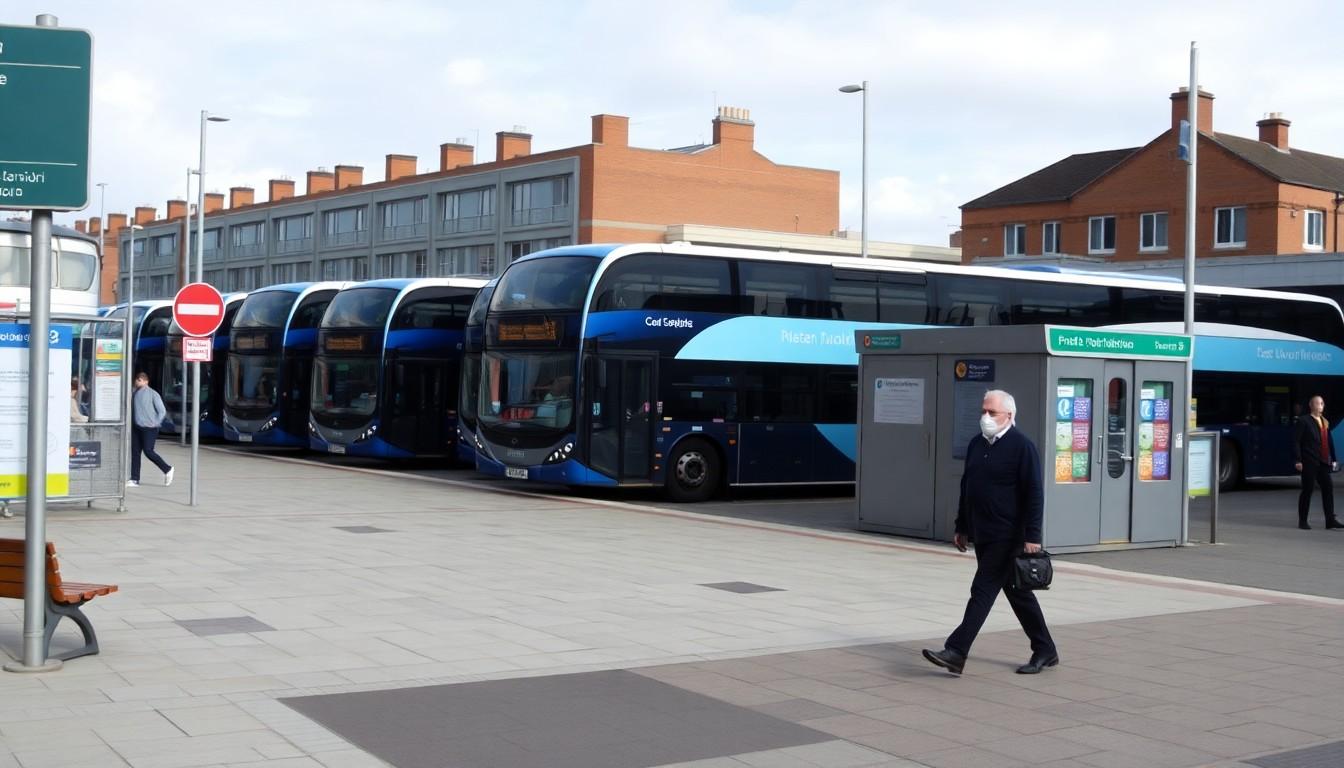
Travellers are facing an uncomfortable new reality as Britain’s debate over transgender access to toilets reaches coaches, stations and other shared spaces. For one trans traveller, a cramped unisex cubicle became the safest option during a long journey, highlighting why privacy, accessibility and dignity matter far beyond the headlines.
Essential Takeaways
- Travel exposes the pressure: Shared transport brings strangers together, making complaints or confrontations feel especially risky.
- Unisex toilets can offer safety: A single private cubicle may be the most practical option, but cramped layouts can make it unpleasant or inaccessible.
- The debate affects more people: Disabled campaigners have warned that toilet segregation could create fresh barriers and confusion.
- Design matters: Better ventilation, space, clear signage and genuinely private facilities can help everyone.
- Rules have real-world consequences: Political guidance can change how people plan ordinary journeys, even when no one formally challenges them.
A cramped coach toilet tells a much bigger story
A coach toilet isn't exactly known for comfort, but this one sounds particularly grim. The traveller described having to climb into the cubicle, stay hunched over and struggle to turn around, turning a routine stop into an awkward physical ordeal.
That detail matters because the toilet wasn't simply inconvenient. It was chosen as the safest available option while travelling, after a wider political argument made gendered facilities feel more exposed. Reports from The Guardian have described government positions suggesting that trans people should not use toilets matching their gender identity, a message that can carry far beyond official wording.
For anyone already anxious about being challenged, a tiny lockable cubicle may feel preferable to a larger facility where confrontation seems possible. It isn't a dignified choice, but it can feel like the least risky one.
Why travel makes the bathroom question harder
Public transport is where privacy disappears quickly. A person may be surrounded by passengers they've never met, moving through unfamiliar towns and relying on facilities they can't easily avoid.
The traveller's concern about one complaint causing lasting disruption reflects a wider fear: not necessarily that every journey will end in conflict, but that a single hostile encounter could become deeply stressful. LGBTQ Nation has documented how bathroom restrictions can look in practice, including people changing their behaviour, delaying visits or using facilities that don't work for them.
That kind of calculation is exhausting. A journey that should be about reaching a partner, visiting family or getting home instead includes a quiet risk assessment about where, when and how to go to the toilet.
The accessibility problem is impossible to ignore
A single unisex toilet can provide welcome privacy, but it isn't automatically inclusive. If the cubicle is too narrow to turn around in, it may be unsuitable for wheelchair users, people with mobility aids, parents with children or anyone who needs more room.
The Guardian has reported concerns from disabled campaigners about the consequences of segregated facilities, particularly when public debate treats toilets as a simple male-or-female question. In reality, people need different things from the same space: safety, privacy, room to move, changing facilities and reliable access.
That is why the design of public toilets matters as much as the sign on the door. Wider cubicles, outward-opening doors, clear routes and proper maintenance aren't glamorous upgrades, but they can determine whether someone can travel independently.
Better design could lower the temperature
Architects and access specialists have increasingly looked at gender-neutral toilet designs that combine private cubicles with shared wash areas or fully enclosed rooms. Wired has explored how thoughtful layouts can improve privacy without forcing every user into a single model of behaviour.
There are practical lessons here. A well-designed facility should offer strong locks, floor-to-ceiling privacy where possible, enough turning space, good lighting and clear, neutral signage. It should also avoid making one small accessible or unisex cubicle the only alternative for anyone who doesn't fit neatly into a public assumption.
Unisex public toilets already exist in many forms, from individual lockable rooms to facilities shared by all users. The best examples don't feel like a political statement. They simply feel calm, clean and usable.
The debate is changing everyday behaviour
The most revealing part of this story isn't the policy argument itself. It's the way the argument seeps into ordinary decisions: which coach to book, whether to drink water, how long to wait and whether a toilet visit is worth the potential attention.
Reports from LGBTQ Nation about gender-nonconforming women facing greater scrutiny in women's facilities show that enforcement anxieties can affect more than trans people. Anyone whose appearance doesn't match another person's expectations may become a target, which makes supposedly simple rules far messier in real life.
No one should need a travel strategy for using a toilet. Yet until public facilities are designed around privacy and access rather than suspicion, many people will keep making those calculations quietly. A decent journey should end with seeing someone you love, not with relief that you managed to find a cubicle.
It's a small toilet, but it reveals a very large failure of public design and public empathy.
Source Reference Map
Story idea inspired by: [1]
Sources by paragraph: