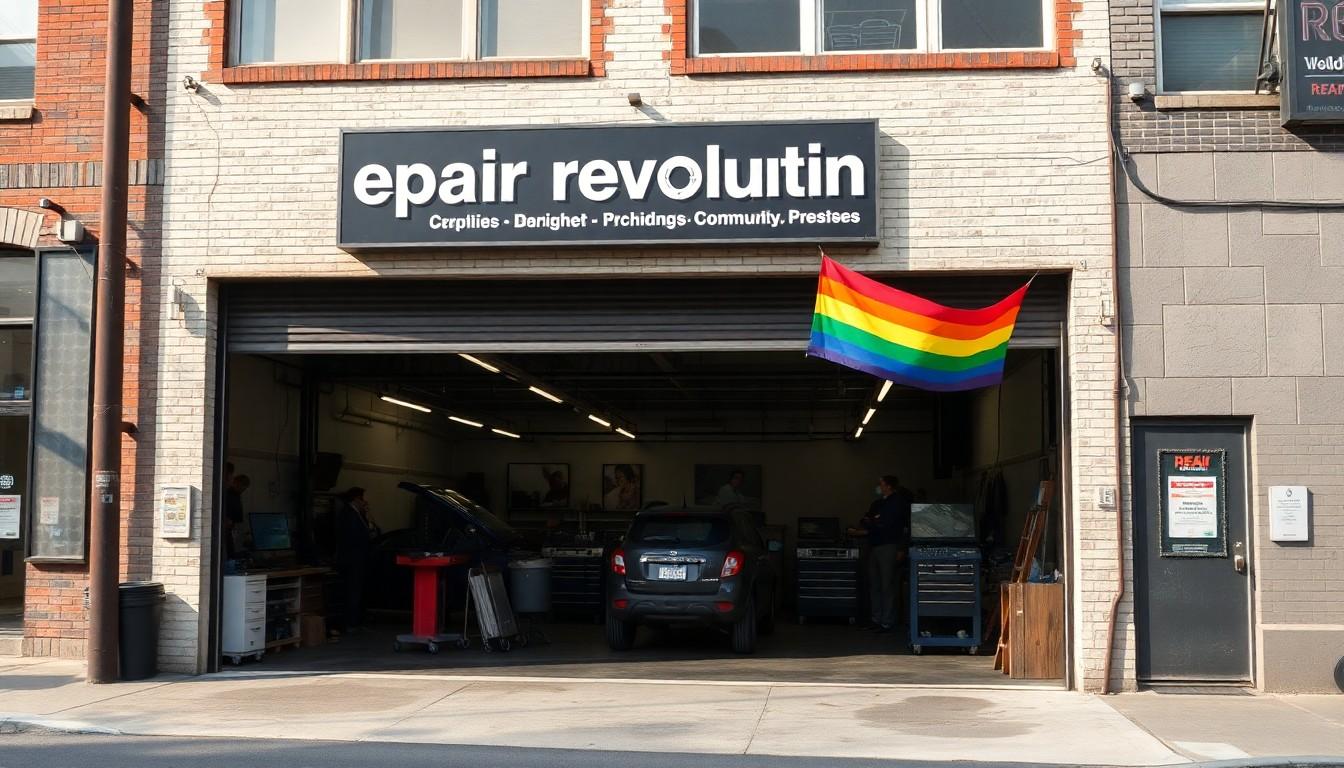
Shoppers and drivers are taking a closer look at LGBTQ+ mechanics and handymen, whose work is making garages feel more welcoming while keeping cars, appliances and communities moving. With Repair Day highlighting the value of fixing rather than replacing, queer-led workshops offer a useful reminder that expertise should never come with a side order of judgement.
Essential Takeaways
- Repair Day's purpose: The annual event celebrates practical skills, local communities and a lower-waste approach to everyday problems.
- Inclusive garages matter: Queer-led businesses can help customers feel listened to, informed and respected.
- Repair Revolution's approach: The Seattle workshop was built around creating a more welcoming experience for drivers.
- The community is broad: LGBTQ+ tradespeople work across mechanics, welding, HVAC, fabrication, marine engineering and general maintenance.
- Smart customer tip: Ask for a clear explanation of the fault, the proposed fix and the likely cost before work begins.
Repair Day puts practical skills in the spotlight
There is something satisfying about a stubborn machine finally springing back to life. Repair Day, organised by The Restart Project and the Open Repair Alliance, turns that small triumph into a wider celebration of people who mend, maintain and teach others to do the same.
The event promotes repair as a way to bring neighbours together, reduce waste and pass on useful knowledge. That message feels particularly relevant in a world where replacing a broken item can sometimes seem easier than finding someone willing to diagnose it. Open Repair's event information presents repair as both a practical service and a community habit.
Why inclusive garages are winning trust
For many customers, a garage visit can feel like entering a room where everyone else knows the secret language. Terms such as diagnostics, torque settings and suspension geometry aren't exactly designed to soothe a nervous driver, especially when the bill is still taking shape.
That is where an inclusive business can make a real difference. Repair Revolution in Seattle was created as an auto shop where queer and female workers could build careers in a traditionally male-dominated trade. The company presents itself as a welcoming, education-led repair business, while its team profile highlights the people behind that approach.
NBC News reported that customers told the shop's founder, Eli Allison, they left feeling more informed about their vehicles. That's a modest but important shift: good repair isn't only about replacing a part, it's about giving the owner confidence in what happened and why.
The queer tradespeople keeping things moving
The wider LGBTQ+ repair community is hardly limited to car workshops. Online discussions bring together mechanics, welders, fabricators, HVAC and refrigeration technicians, marine engineers and people who simply enjoy getting stuck into a troublesome engine or home repair.
A Reddit conversation about LGBTQ+ mechanics included contributors describing experience in industrial maintenance, automotive work, marine repair and heating and cooling systems. Their backgrounds vary, but the common thread is hands-on competence, rather than a single job title.
That breadth matters because trades are often presented through narrow stereotypes. In reality, a person can be a professional technician on Monday, a keen garage tinkerer at the weekend and the friend everyone calls when a cupboard hinge starts making an ominous noise.
How to choose a mechanic you can trust
Whether you're looking for an LGBTQ+-owned garage or simply a more transparent repair service, start with communication. A reputable workshop should explain the diagnosis in plain English, separate urgent repairs from items that can wait and provide an estimate before carrying out additional work.
It's also worth checking qualifications, reviews, warranty terms and whether the garage has experience with your make and model. Auto TechIQ's listing for Repair Revolution provides a useful example of how customers can compare repair businesses through basic service information before booking.
For faster chewers, unusual noises and warning lights, don't ignore the early signs. A small issue can become an expensive one, and a calm explanation at the beginning is usually far more helpful than a dramatic invoice at the end.
Repair is becoming a statement of values
The appeal of these businesses goes beyond representation, although representation matters. A welcoming workshop can create apprenticeships, challenge old assumptions and show customers that technical expertise belongs to anyone with the patience and skill to earn it.
There is an environmental benefit, too. Repairing an existing vehicle or appliance keeps useful materials in circulation and can reduce the pressure to buy new. The Open Repair Alliance's wider message is simple: fixing things is good for the planet, but it can also be good for people.
For customers, that makes the choice feel refreshingly straightforward. Find someone who knows the work, explains it clearly and treats you like a person rather than a wallet on wheels.
A good repair can restore more than a machine; it can rebuild trust, too.
Source Reference Map
Story idea inspired by: [1]
Sources by paragraph: