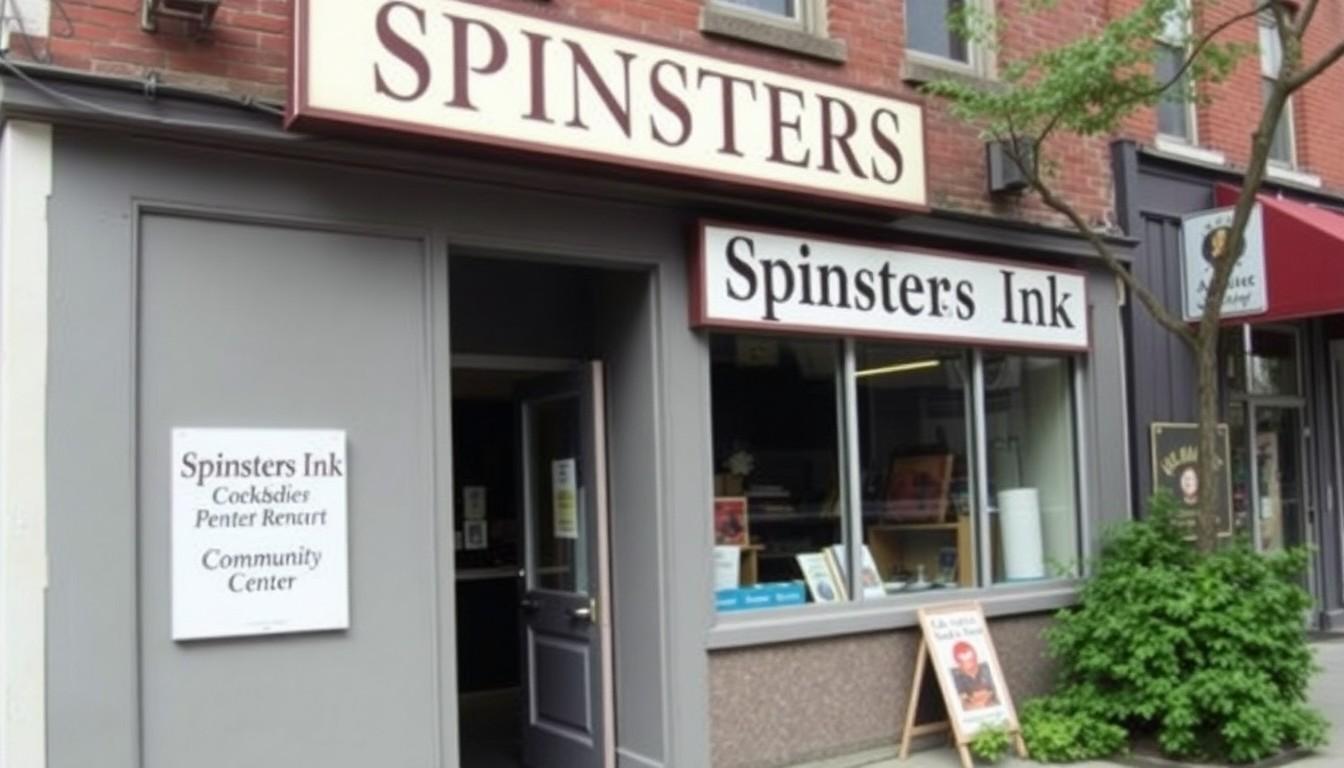
Readers are revisiting a landmark guide to lesbian parenthood during LGBTQ History Month, finding practical wisdom and emotional reassurance in a book first published in 1985. Cheri Pies’s workbook helped women consider family life when support was scarce, while reminding today’s queer parents that they’re part of a much longer, hard-won story.
Essential Takeaways
- A pioneering guide: Considering Parenthood was first published by Spinsters Ink in 1985 and updated in 1988.
- Built from lived experience: Cheri Pies drew on health-education work and her own experience becoming a co-parent.
- Wide-ranging advice: The book covered relationships, finances, support networks, non-biological motherhood, single parenting and choosing not to parent.
- A lasting legacy: Its central message, that lesbian parents belong to a long and growing tradition, still feels strikingly fresh.
- Free to explore: The book is available to read online through Open Library.
A 1985 book that understood the emotional stakes
Before queer family resources filled bookshelves and online forums, deciding to become a parent could feel like stepping into thick fog. Cheri Pies’s Considering Parenthood: A Workbook for Lesbians offered something more valuable than a simple checklist: reassurance that lesbian women weren’t making family history from scratch.
Its most powerful idea was historical. Pies pointed to earlier generations of lesbian mothers, including women who had raised children within heterosexual marriages or kept their relationships private. Their lives were often shaped by secrecy and limited choices, but they still helped create the possibilities that later generations could claim. LGBTQ Nation’s remembrance of Pies similarly highlighted the scale of her contribution to lesbian parenting conversations.
That makes the book especially resonant during LGBTQ History Month. The language may show its age in places, but the emotional question remains familiar: can people like me build the family I want?
From living-room workshop to essential handbook
The book grew out of Pies’s work as a Planned Parenthood health educator in the 1970s. She had been leading workshops for heterosexual women thinking about motherhood, then became a co-parent herself in 1978. The gap was obvious. Lesbian women were asking many of the same life-changing questions, but had far fewer places to discuss them openly.
Pies and another woman held their first group in Pies’s living room in autumn 1978. Twenty-five women came, reportedly drawn by flyers posted at a women’s bookshop and other meeting places. Over time, more than 300 women took part in the groups, helping shape a book grounded in real anxieties rather than abstract theory. PinkNews described Pies as a trailblazer whose work gave lesbian couples practical guidance at a time when very little existed.
There’s something wonderfully unglamorous about that beginning. No polished conference venue, no instant online community, just a room, a stack of questions and women willing to talk honestly.
The advice went well beyond conception
Considering Parenthood didn’t treat parenthood as a single decision with one approved route. It explored whether to become a parent, how to build support, how families of origin might respond and how work and money could affect the choice.
It also made room for experiences that were easy to overlook: non-biological motherhood, single parenting, disability, relationship health, having another child and the decision not to have children. That breadth is one reason the book still feels surprisingly modern. Goodreads’ listing reflects its identity as a workbook rather than a conventional parenting manual, with prompts designed to help readers think through their own circumstances.
The legal and medical details have changed considerably since the 1980s, so the book shouldn’t be treated as a current how-to guide. But its reflective questions remain useful. Anyone considering queer parenthood today can still ask: who will support us, how will we share care, what happens if plans change and what does family mean to us?
Today’s queer families are walking a path others cleared
Modern queer parents have access to fertility clinics, adoption guidance, online communities and legal advice that earlier generations could scarcely imagine. Even so, access isn’t evenly distributed, and the process can still involve expense, bureaucracy, discrimination and difficult conversations with relatives.
That’s why historical memory matters. New Edge Times reported on Pies’s death at 73 and her role in guiding lesbian couples through parenthood, while The Pink Times later described her as a figure whose influence reached far beyond one book. Her work helped turn private uncertainty into shared knowledge.
It also broadened the meaning of inheritance. A family legacy isn’t only passed through biology or surnames. Sometimes it arrives as a question asked in a living room, a workbook found in a bookshop or a sentence that tells someone they aren’t alone.
What prospective parents can still learn from it
The most useful lesson isn’t to copy the choices of earlier families. It’s to approach parenthood deliberately and honestly. Before choosing a route, prospective parents might map out practical support, discuss finances, consider how responsibilities will be shared and identify which legal questions need specialist advice.
It’s equally important to leave room for uncertainty. Pies’s workshops recognised that some participants chose parenthood, while others remained undecided or chose not to become parents. That distinction matters today, when queer family conversations can sometimes focus so heavily on possibility that they forget choice includes saying no.
For readers curious about the original text, Considering Parenthood can be read free online through Open Library. It’s best approached as both a historical document and a warm reminder that today’s options were shaped by people who had to improvise when the map barely existed. The memories of Pies’s work, including those discussed by LGBTQ Nation and The Pink Times, underline just how far that first conversation travelled.
A small workbook helped make a wider future imaginable.
Explore the history, ask the practical questions and choose the family life that fits you.
Source Reference Map
Story idea inspired by: [1]
Sources by paragraph: