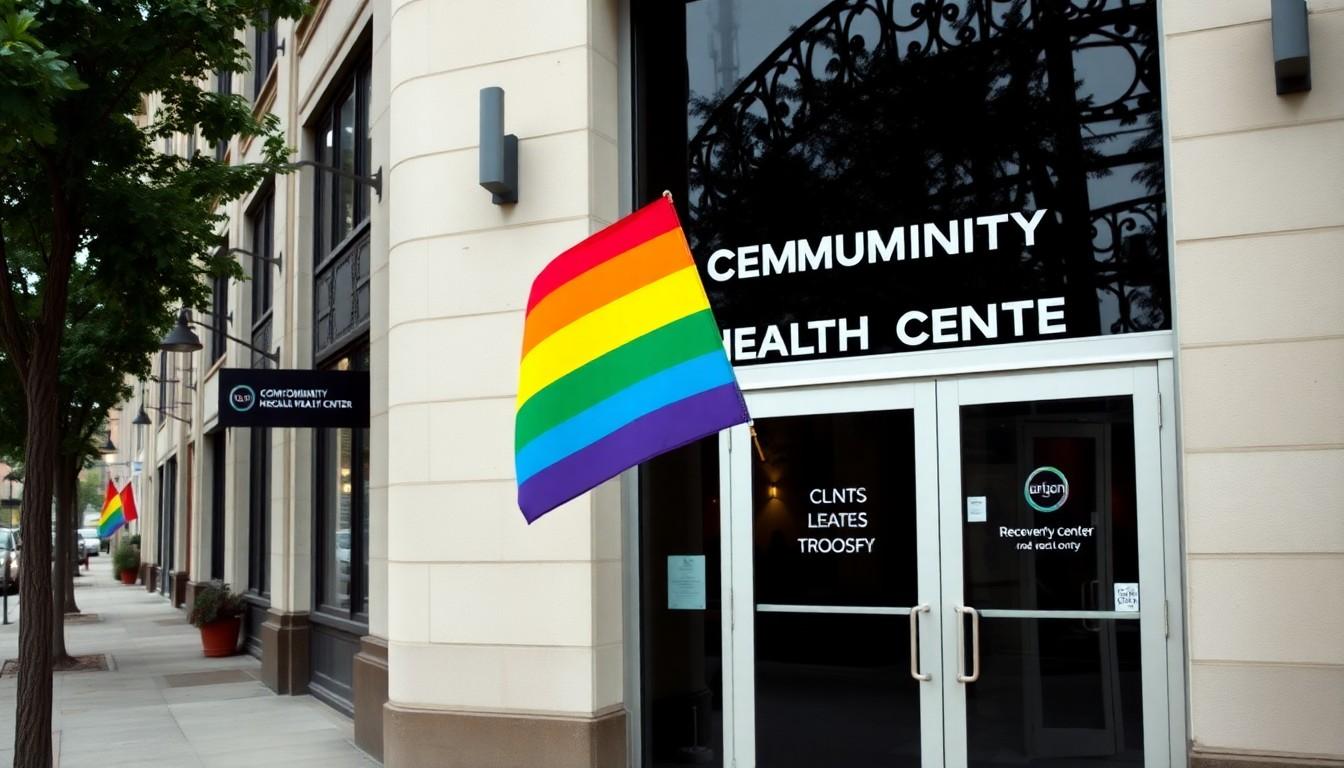
Listeners are turning to Psychosexual for a frank look at chemsex, meth addiction and intimacy in gay life. In its fourth episode, the podcast brings personal recovery into focus, asking what happens after the crisis: how do you rebuild trust, rediscover pleasure and reconnect with sex without slipping into old patterns?
Essential Takeaways
- A wider conversation: The episode links meth use with shame, sexuality, intimacy and identity.
- Recovery is ongoing: Staying sober also means learning new ways to handle pleasure, connection and desire.
- Personal experience matters: Trey Weir discusses addiction, incarceration and rebuilding his life.
- Chemsex cravings can be managed: Related episodes explore practical ways to recognise and respond to triggers.
- Support makes a difference: Peer-led conversations can make difficult subjects feel less isolating.
When “Do you party?” means something else
The opening question sounds casual, almost throwaway. In some gay social settings, though, “Do you party?” can quietly signal an invitation into chemsex, where sex and drug use become closely entwined.
That double meaning gives Psychosexual its immediate pull. Rather than treating meth addiction as a distant health story, the episode explores how drug use can become tangled with sex, shame and the pressure to feel accepted. The result is uncomfortable listening, but also unusually human. According to the podcast listing on Apple Podcasts, the series centres sexuality, intimacy and recovery rather than discussing addiction in isolation. [2]
Trey Weir puts lived experience at the centre
The episode features Trey Weir, a peer support specialist at Prism Health North Texas, who speaks about his own experience with meth addiction and the criminal justice system. His story includes a federal prison sentence and the difficult work of starting again afterwards.
That perspective matters because recovery can sound abstract when it's reduced to slogans. A person rebuilding their life has to deal with far more than stopping drug use: relationships, confidence, routines and the emotional habits that developed around substances. Recovery Alchemy's writing on denial and unspoken struggles similarly points to the importance of naming what people often keep hidden. [6] [7]
Why sex can feel complicated after sobriety
One of the episode's most valuable questions is what happens when someone in recovery wants to have sex again. If previous experiences were closely connected to drugs, desire itself can become a trigger, even when the person genuinely wants intimacy.
That doesn't mean sex has to be avoided forever. It does mean that reconnecting with pleasure may take patience, honest conversations and a clearer understanding of personal warning signs. The related Psychosexual episode on cravings management focuses on recognising those moments before they gather momentum, according to its Buzzsprout listing. [3]
For some people, the first step may be separating dating, sex and nightlife for a while. Others might benefit from peer support, therapy or a trusted friend who understands the difference between encouragement and judgement. There isn't a universal timetable, and that may be reassuring: progress doesn't have to look polished to be real.
Chemsex recovery is becoming a bigger conversation
The growing number of discussions around chemsex suggests that audiences want more practical, specific support. Broad advice about addiction often misses the particular mix of sex, identity, social connection and stigma involved here.
The AfterMeth podcast also presents cravings management as a dedicated subject, rather than a footnote in a general recovery story. That focus reflects a useful shift: people need tools for the moments that feel ordinary on the surface, such as receiving a message, returning to a familiar venue or feeling lonely late at night. [4]
There is also a cultural point worth making. When a community has spent years navigating shame around sexuality, pleasure and masculinity, substance use can become wrapped in more than chemical dependence. Talking plainly about those layers won't solve everything, but silence rarely helps.
What listeners can take from the episode
The most practical lesson is that recovery should be built around the whole person. That includes physical health, but also emotional safety, social circles, sexual boundaries and the ability to experience pleasure without fear.
If you're supporting someone, avoid turning every conversation into an interrogation. Ask what situations feel risky, listen without rushing to fix things and help them find specialist support where needed. A calm, non-judgemental response can be more useful than a dramatic warning.
For anyone concerned about their own drug use, professional addiction services, sexual health clinics, peer support groups and trusted healthcare providers are sensible places to start. The podcast doesn't offer a neat ending, but that feels honest. Real recovery is less like crossing a finish line and more like learning a new route home.
It's a conversation worth having before a crisis makes it unavoidable.
Source Reference Map
Story idea inspired by: [1]
Sources by paragraph:
- Paragraph 1: [2], [3]
- Paragraph 2: [6], [7]
- Paragraph 3: [3], [4]
- Paragraph 4: [4], [5]
- Paragraph 5: [2], [6]
- Paragraph 6: [3], [7]
- Paragraph 7: [4], [5]
- Paragraph 8: [2], [3]
- Paragraph 9: [5], [6]
- Paragraph 10: [4], [7]
- Paragraph 11: [2], [5]
- Paragraph 12: [3], [6]
- Paragraph 13: [4], [7]
- Paragraph 14: [2], [5]