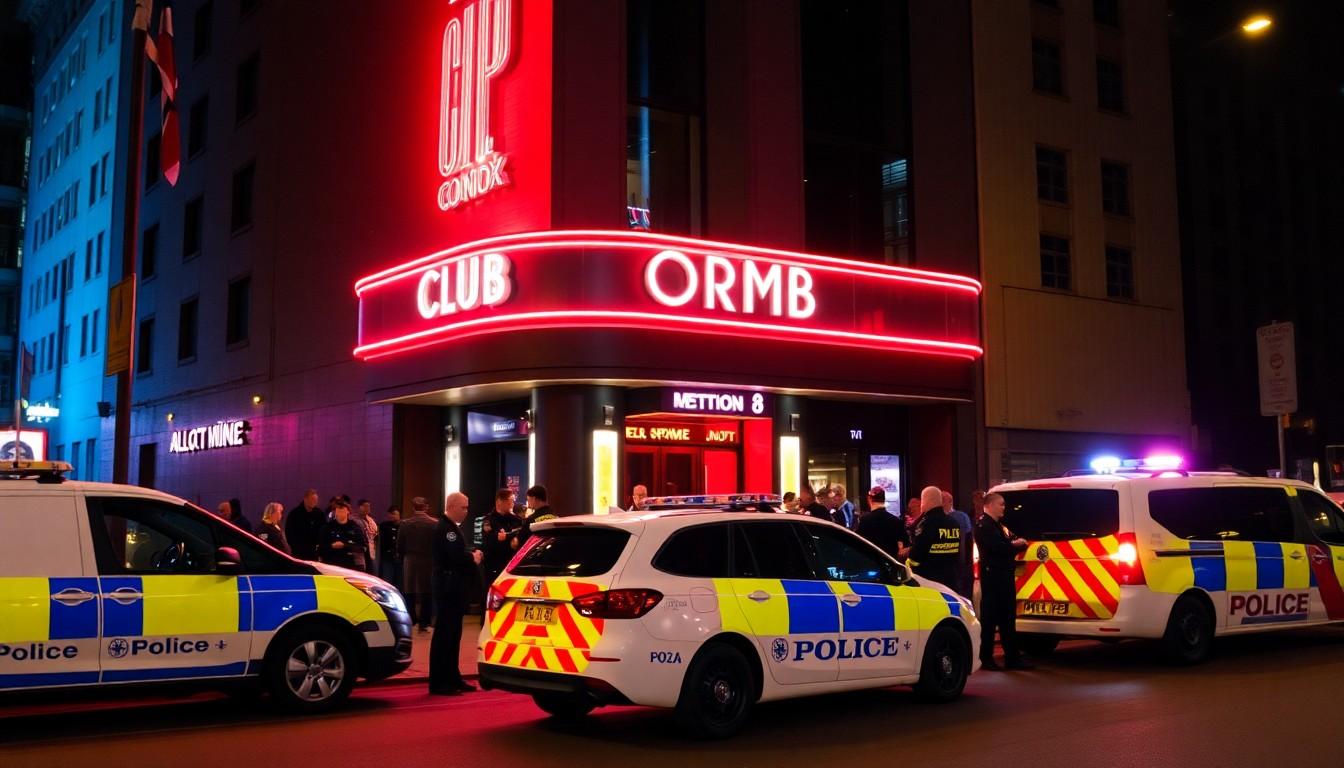
Taipei's LGBTQ+ community is demanding answers after a police raid at a BDSM club drew accusations of humiliation and excessive force. The incident, reported just before Taiwan Pride, has renewed debate about whether the country's progressive reputation reaches everyone in queer nightlife, particularly disabled people and those involved in non-traditional sexual cultures.
Essential Takeaways
- The raid: Police searched Taipei's Commander D club after complaints alleging indecent behaviour.
- The backlash: Video footage and witness accounts prompted protests and condemnation from LGBTQ+ organisations.
- The controversy: Customers were reportedly ordered to squat or kneel, while a disabled patron was allegedly mocked.
- Official response: Several officers were reprimanded and Taipei's mayor apologised.
- The wider issue: Activists say legal equality hasn't erased stigma around queer venues, BDSM or disability.
A routine inspection turned deeply uncomfortable
Taipei's Commander D raid might have been another entry in the city's long list of nightlife inspections. Instead, footage from inside the gay BDSM club spread rapidly online, showing officers controlling customers and ordering some to crouch or kneel. For many viewers, the atmosphere looked less like a careful law-enforcement operation and more like a public shaming.
Taiwan Plus reported that the incident triggered protests and anger among LGBTQ+ groups, with particular concern over the treatment of a disabled customer. The alleged remark directed at that patron became one of the most inflammatory details, because it exposed an old and uncomfortable assumption: that disabled people somehow sit outside ordinary conversations about sex, desire and consent.
The raid took place in early October, close to Taipei's annual Pride celebrations. That timing made the contrast especially stark. Taiwan is widely celebrated for legalising same-sex marriage in 2019, yet a community venue was suddenly at the centre of a confrontation over dignity and bodily autonomy.
Why Commander D became a national talking point
Police said the operation followed complaints about nudity and sexual behaviour, and officers held the club owner and dozens of customers for questioning. Taiwanese media reports also described the search as part of an investigation into alleged offences against public morals.
That legal language matters. It gives authorities a framework for investigating complaints, but it can also place queer spaces under a harsher spotlight than conventional nightlife venues. As TVBS reported, the controversy focused not only on why the club was searched, but on how officers behaved while carrying out the warrant.
Witnesses described customers being told to remove themselves from the floor or remain partially undressed, while filming was discouraged. The club's owner said he was handcuffed and restrained despite telling officers he wouldn't resist. Whether every detail is ultimately confirmed or not, the public reaction shows how quickly trust can collapse when a community already feels watched.
Taiwan's progressive image meets an older policing culture
Taiwan's LGBTQ+ rights record is genuine, but progress doesn't automatically reach every police station, club or public interaction. Activists have argued that conservative attitudes remain particularly strong around BDSM, polyamory, revealing clothing and other forms of sexual expression that challenge conventional ideas of respectability.
ILGA Asia's regional perspective places Taiwan within a broader Asian conversation about LGBTQ+ rights, visibility and safety. Formal recognition can open doors, but it doesn't necessarily remove the everyday stigma attached to queer bodies and sexual cultures. That's why the Commander D episode resonated beyond one club.
The distinction between a lawful inspection and discriminatory treatment is crucial. Police can investigate complaints, but customers still deserve clear explanations, proportionate treatment and basic respect. A warrant may authorise a search; it doesn't make humiliation acceptable.
Disability and queer identity can't be treated as afterthoughts
The alleged treatment of the disabled patron brought intersectionality into sharp focus. Someone can be disabled and queer, sexually active, interested in BDSM or simply entitled to privacy. None of those facts cancels out the others, and public institutions need to understand that in practice, not just in training materials.
Taiwanese reports and campaigners have stressed that the incident raised questions about how police respond to people facing more than one form of marginalisation. Taiwan Plus coverage captured the anger from demonstrators, while local reporting highlighted calls for an independent investigation and greater accountability.
This isn't a niche concern. Disabled people are often desexualised in public life, while queer people are still too frequently treated as a social problem. Put those experiences together and the risk of being misunderstood, ignored or humiliated becomes greater. That should concern anyone who cares about equal treatment.
What happens after the apology?
Taipei's police chief said officers involved had been reprimanded, and the city's mayor apologised to those affected. Those steps matter, but they won't settle the issue on their own. The community is also asking whether police training, supervision and complaint procedures are strong enough to prevent similar incidents.
TVBS reported on the official response and continuing scrutiny surrounding the raid. Meanwhile, protest organisers and LGBTQ+ advocates have pushed for an investigation that looks beyond individual misconduct and examines institutional attitudes towards queer venues.
The lasting test will be simple to describe, though harder to deliver: can people enter a queer venue without expecting to be treated as suspicious, dirty or less deserving of respect? Taiwan's Pride celebrations may remain vibrant, but a genuinely inclusive society is measured just as much in quieter rooms, during tense encounters, when nobody is posing for a parade photograph.
A legal victory is powerful, but everyday dignity is where equality becomes real.
Source Reference Map
Story idea inspired by: [1]
Sources by paragraph:
- Paragraph 1: [2], [5]
- Paragraph 2: [3], [4]
- Paragraph 3: [5], [7]
- Paragraph 4: [3], [6]
- Paragraph 5: [4], [5]
- Paragraph 6: [2], [3]
- Paragraph 7: [5], [7]
- Paragraph 8: [3], [4]
- Paragraph 9: [5], [6]
- Paragraph 10: [2], [5]
- Paragraph 11: [3], [7]
- Paragraph 12: [4], [6]
- Paragraph 13: [5], [7]
- Paragraph 14: [3], [6]
- Paragraph 15: [2], [5]
- Paragraph 16: [4], [7]