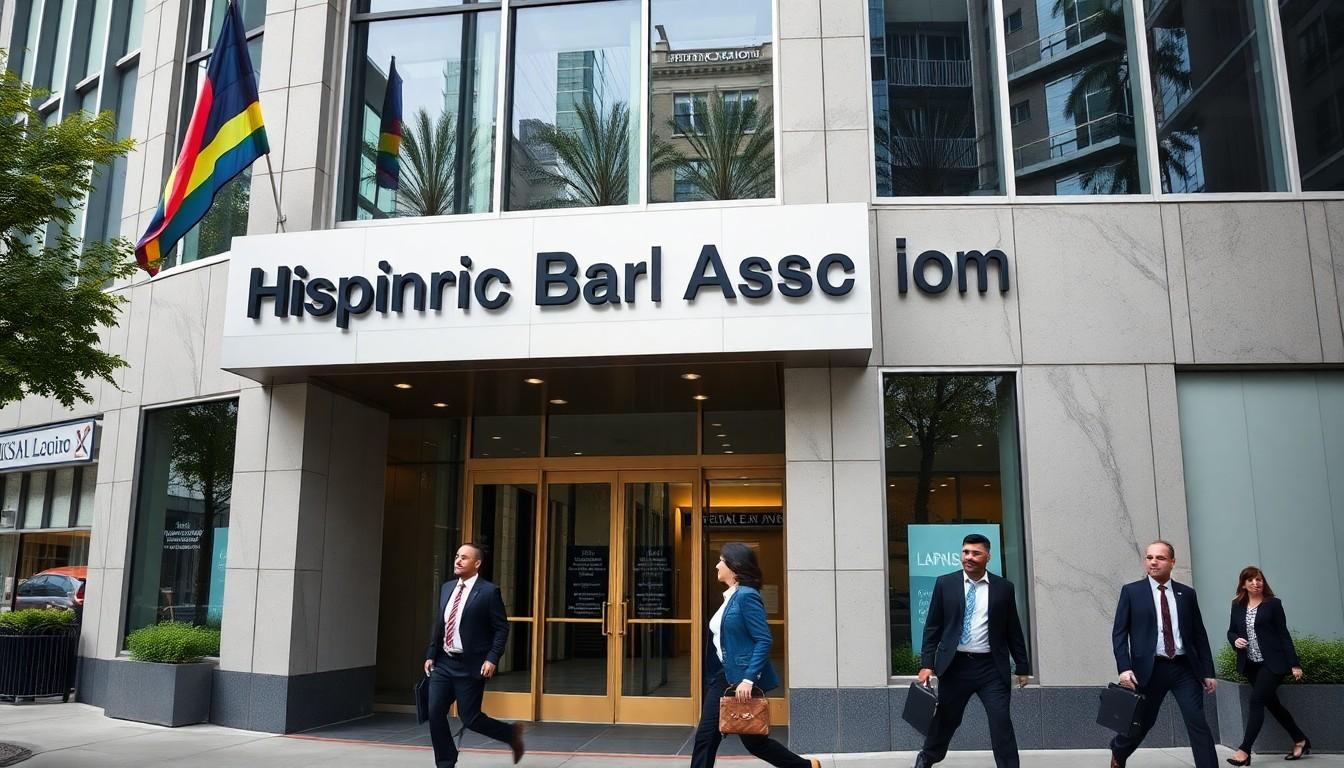
Readers are celebrating a landmark moment in the US legal community as Raquel Matas becomes the first openly lesbian woman to lead the Hispanic National Bar Association. Her presidency brings representation, professional community and LGBTQ+ Latino/a/e leadership into sharper focus, while highlighting why inclusive pathways still matter across the legal profession.
Essential Takeaways
- Historic appointment: Raquel Matas is the first openly lesbian woman to serve as HNBA national president.
- Community first: Her priorities include growing membership and strengthening professional connections.
- Leadership in action: The HNBA LGBT Division Leadership Summit combines legal education with mentoring and networking.
- A wider mission: The organisation links professional development with equal justice, democratic institutions and the rule of law.
- An open invitation: LGBTQ+ Latino/a/e lawyers and students are encouraged to join, participate and lead.
A milestone that changes the picture of leadership
A senior legal appointment can look formal on paper, but this one carries a powerful human charge. Raquel Matas' presidency places an openly lesbian Latina leader at the centre of one of the United States' most important Hispanic legal organisations, giving younger lawyers a more expansive picture of who gets to lead.
For Matas, the moment is both personal and collective. She has described the role as an honour and hopes her appointment will open doors for those following behind her. The HNBA's work centres on empowering Hispanic legal professionals and advocating for the wider Hispanic community, making representation part of its professional and public mission.
That visibility matters because leadership is often shaped by old assumptions about authority, background and identity. Matas' arrival quietly, but firmly, challenges those assumptions.
Why representation reaches beyond a job title
Matas' presidency comes during October's overlapping celebrations of Latinx Heritage Month and LGBTQ+ History Month. That timing gives the appointment added resonance, but the significance extends well beyond a commemorative calendar.
The HNBA presents itself as a professional community for Hispanic lawyers, law students, judges, academics and other legal professionals. Its national structure and leadership network create routes into advocacy, public service, law firms, academia and the judiciary, according to the association's information about its work and governance.
Representation can't solve every barrier overnight, of course. But it can change who feels welcome in the room, who applies for opportunities and who can imagine a future at the top. For a law student weighing whether there is space for them in the profession, seeing someone openly LGBTQ+ lead can feel less like symbolism and more like practical encouragement.
The HNBA's next priorities: growth, connection and justice
Matas has identified membership growth as a central priority, with an emphasis on making the HNBA feel like a genuine professional family rather than simply another organisation to join. That means creating relationships that last beyond conferences, helping members find mentors and encouraging them to take on visible roles.
The association's wider mission also places weight on defending the rule of law, protecting constitutional principles and pursuing equal justice. Its board and organisational structure reflect an effort to connect professional leadership with public responsibility, rather than treating the two as separate worlds.
That combination is especially relevant for LGBTQ+ Latino/a/e attorneys, who may be navigating several forms of under-representation at once. A stronger network can offer useful advice, a trusted sounding board and the reassuring sense that a difficult career decision doesn't have to be faced alone.
The leadership summit turns community into opportunity
The HNBA LGBT Division Leadership Summit is one of the clearest examples of that approach. Developed with Lambda Legal, the summit gives LGBTQ+ legal professionals a place to build expertise, discuss complex legal issues and form connections that can grow over time.
The HNBA LGBT Division provides a dedicated home for this work, while the summit's format brings professional learning together with community-building. That's important because a good event shouldn't leave attendees with a folder of materials and a fading name badge; it should leave them with people to call and ideas they can use.
Matas has been involved in the summit's origins and has watched former students progress into leadership positions within the division. That career journey is perhaps the strongest evidence of its value: participation isn't treated as a one-off experience, but as part of a longer pipeline into influence and service.
What future lawyers can take from this moment
Matas' message to LGBTQ+ Latino/a/e attorneys is direct: get involved. Joining the HNBA, attending the LGBT Leadership Summit, seeking mentors and volunteering for leadership roles are practical ways to turn representation into participation.
For students and early-career lawyers, the best starting point may be modest. Attend one event, introduce yourself to someone whose work interests you, ask about committees and look for opportunities to contribute before waiting until you feel completely ready. Professional confidence often arrives after the invitation, not before it.
The longer-term challenge is to keep removing the obstacles that earlier generations fought against. Celebrating trailblazers is meaningful, but building a profession where the next openly LGBTQ+ Latina leader doesn't feel like an exception would be the real measure of progress.
Representation starts the conversation. Community helps carry it forward.
Source Reference Map
Story idea inspired by: [1]
Sources by paragraph: