Visitors and longtime activists gathered in New York to celebrate a major step for LGBTQ+ history: the GMHC Stories Collection has joined the New York Public Library’s Special Collections, preserving first-hand accounts from the earliest years of the HIV/AIDS crisis for researchers and future generations.
Essential Takeaways
- A living record: The collection brings together interviews and archival material documenting GMHC’s work during the HIV/AIDS epidemic.
- A landmark organisation: GMHC was founded in 1982 by six activists, including Larry Kramer, Larry Mass and Edmund White.
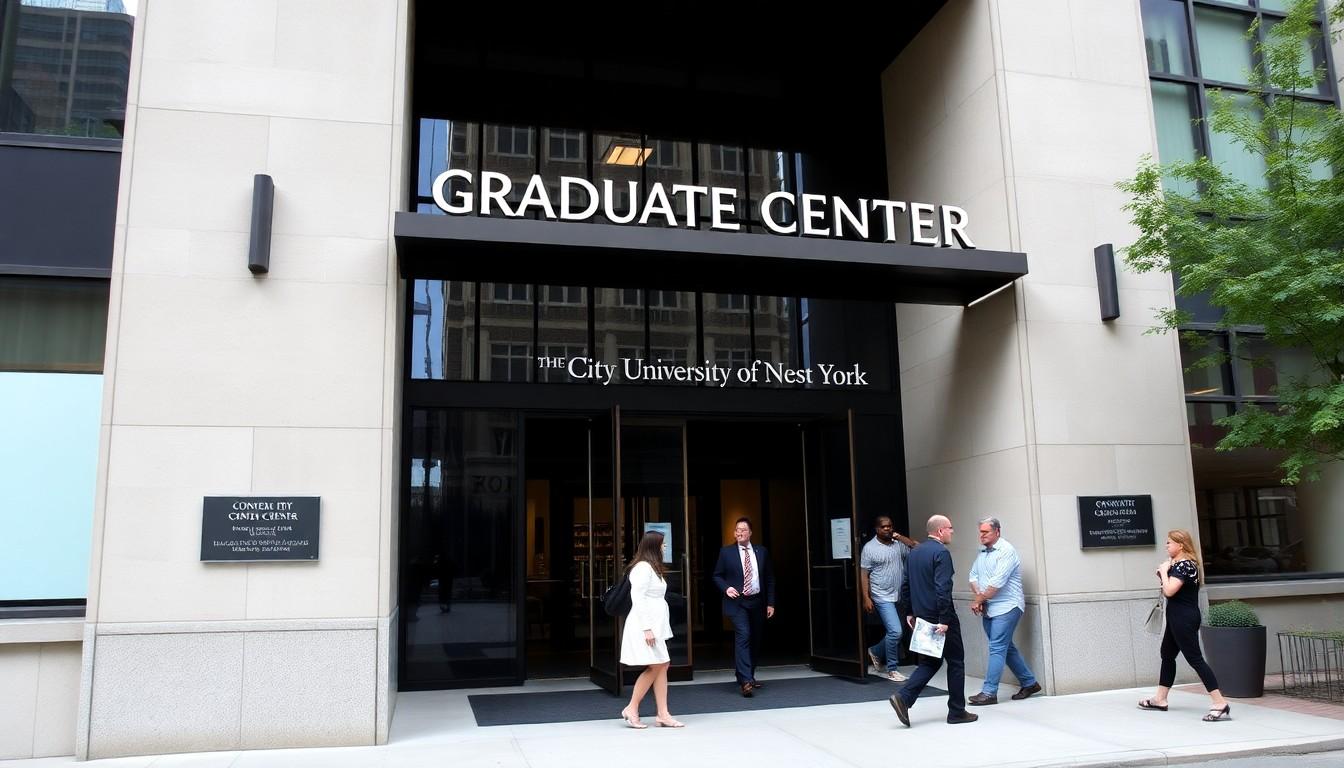
- A public moment: Dozens of visitors attended the celebration at the Graduate Center of the City University of New York.
- Why it matters: Preserving personal testimony helps show the human reality behind the public-health history.
- A lasting home: The New York Public Library’s Special Collections gives the archive a research-focused setting and wider visibility.
A vital HIV/AIDS archive finds a permanent home
Some histories arrive in neat timelines. Others live in voices, memories and boxes of material that have been carried through decades. The GMHC Stories Collection belongs firmly in the second category, preserving the experiences of people connected with one of the United States’ earliest HIV/AIDS service organisations.
The collection has now been added to the New York Public Library’s Special Collections, giving its interviews and archives a permanent institutional home. According to GMHC’s own history, the organisation emerged in 1982, when a group of activists began organising in response to a crisis that was still widely misunderstood and fiercely stigmatised.
That makes the archive more than a record of one charity. It’s a portrait of a community learning how to care for one another when official systems were often slow, absent or hostile.
Why GMHC’s early story still resonates
GMHC was founded by Nathan Fain, Larry Kramer, Larry Mass, Paul Popham, Paul Rapoport and Edmund White. Their work helped establish a model of community-led support that combined practical assistance, advocacy and public education.
The organisation’s early years were marked by urgency. People needed medical information, emotional support, housing help and someone willing to answer the phone. GMHC’s historical material captures that atmosphere through the people who experienced it directly, rather than reducing the era to statistics or headlines.
Dr Larry Mass, one of the founders, has continued to reflect publicly on those first years. His recollections offer a close-up view of how frightening and improvised the response could feel, while also showing the determination that kept the work moving.
A gathering that brought the archive to life
Earlier this month, GMHC held an event celebrating the collection’s arrival at the library. The gathering took place at the Graduate Center of the City University of New York, where dozens of visitors came together, including people with long personal connections to GMHC.
Mass was among those attending. His presence added a poignant link between the organisation’s beginnings and the preservation of its history today. There’s something quietly powerful about seeing an early participant in a movement stand alongside the archive that will help explain it to people who weren’t there.
Photographs from the event also underline the collection’s communal character. This isn’t history sealed behind glass; it’s a record shaped by relationships, arguments, acts of care and the everyday work of showing up.
What researchers and readers can learn
For researchers, the GMHC Stories Collection can provide details that formal reports often miss. Oral histories may reveal how people found support, how language changed, which needs were overlooked and how communities built their own networks under pressure.
For younger readers, the material offers essential context. HIV/AIDS history is sometimes presented as a sequence of medical breakthroughs, but the GMHC archive keeps attention on the people affected, including those who organised, mourned, campaigned and cared for friends when the future felt painfully uncertain.
That personal scale matters. A document can tell you when an organisation was founded, but a recorded memory can help you understand what it felt like to be in the room.
Preserving community memory for the next generation
GMHC continues to describe its history as part of its wider mission, and the archive’s new home strengthens that connection between past and present. As the organisation’s public materials show, its work has grown over time, but the founding commitment to support people living with HIV remains central.
The New York Public Library’s Special Collections also makes the material easier to place within the city’s broader LGBTQ+ and public-health history. Future students, writers and community members will be able to encounter these stories alongside other records of New York’s social movements.
It’s a welcome reminder that preservation isn’t passive. Choosing what to save, where to keep it and who can access it shapes how the next generation understands the past.
The collection gives a community’s hard-won memories room to endure.
Source Reference Map
Story idea inspired by: [1]
Sources by paragraph:
- Paragraph 1: [2], [5]
- Paragraph 2: [2], [3]
- Paragraph 3: [6], [7]
- Paragraph 4: [2], [5]
- Paragraph 5: [3], [6]
- Paragraph 6: [2], [4]
- Paragraph 7: [5], [6]
- Paragraph 8: [2], [3]
- Paragraph 9: [4], [5]
- Paragraph 10: [2], [6]
- Paragraph 11: [2], [5]
- Paragraph 12: [3], [7]
- Paragraph 13: [2], [5]
- Paragraph 14: [4], [6]