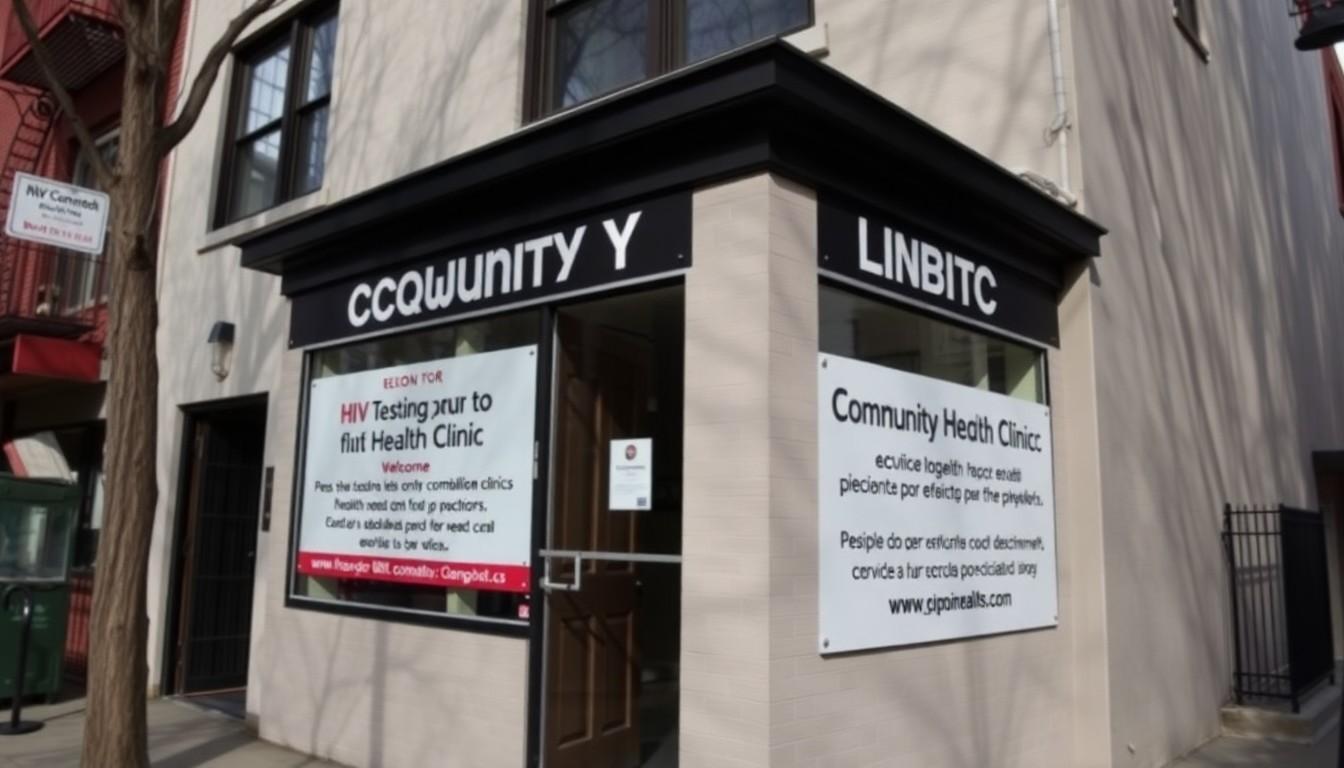
Health advocates are urging a broader conversation about HIV among Latine LGBTQ+ people in the United States, where diagnosis rates remain disproportionately high. Official data shows how race, age, region and gender identity shape risk, while campaigners say language access, safety and trust must sit alongside testing and treatment.
Essential Takeaways
- Disproportionate impact: Hispanic and Latino people continue to account for a larger share of HIV diagnoses than their population size would suggest.
- Care is personal: Fear, stigma, immigration concerns and worries about confidentiality can all affect whether someone seeks support.
- Language matters: Clear, accessible communication helps people understand testing, prevention and treatment choices.
- Trans people face added barriers: CDC data highlights distinct HIV risks and healthcare challenges for transgender communities.
- One message isn't enough: Effective services need to reflect differences in age, location, identity and lived experience.
The numbers tell only part of the story
The headline figures are stark. CDC data shows that Hispanic and Latino people are disproportionately affected by HIV in the United States, compared with their share of the wider population. That gap makes the community a crucial focus for prevention, testing and treatment efforts.
But statistics can feel cold when they don't explain what happens before someone reaches a clinic. According to the CDC's national HIV data, outcomes vary by race and ethnicity, age and region, which means a single public-health message is unlikely to work equally well everywhere.
For Latine LGBTQ+ people, the route to care can involve more than finding a testing centre. Questions about privacy, documentation, discrimination and whether staff will understand a person's identity may arrive first. Those concerns can make a routine appointment feel less like a simple health decision and more like a risk assessment.
Why trust and language access matter
Health information only works when people can understand it and feel safe using it. The CDC provides Spanish-language resources for Hispanic and Latino communities, but accessible information also needs to account for different national backgrounds, dialects, literacy levels and comfort with medical terminology.
That is especially important when discussing prevention medicines, testing windows or HIV treatment. A hurried explanation, an interpreter who isn't available or a form that assumes too much can leave people feeling shut out. Nobody should have to nod along while quietly wondering what they've agreed to.
Trust also depends on confidentiality. For someone already worried about surveillance, stigma or being treated differently because of their immigration history or sexuality, reassurance needs to be practical, not vague. Clear privacy policies, respectful staff and flexible options such as telehealth can help, although remote care isn't equally available to everyone.
HIV risk changes across communities
There isn't one "Hispanic or Latino experience" of HIV. CDC figures show that diagnosis patterns differ across racial and ethnic groups, while separate data tracks the effects of age and geography. A young queer person in a large city may need very different support from an older adult in a rural area.
Region matters because clinics, specialist services and transport links aren't evenly distributed. Age matters too, particularly when prevention campaigns are built around assumptions about who is sexually active or likely to seek testing. Public-health teams need to make room for real lives rather than tidy categories.
Transgender people also face specific barriers and risks, and the CDC maintains dedicated data on HIV among transgender communities. That detail matters because services designed around gender assumptions can quickly become alienating, even when the medical information itself is sound.
What better HIV services look like
The most useful services are straightforward without being simplistic. They offer confidential testing, explain treatment and prevention in plain language, provide interpretation where needed and avoid making people repeatedly justify who they are.
For anyone choosing a service, practical questions can help: Is the clinic confidential? Can you request an interpreter? Does it offer HIV prevention or treatment under one roof? Can you speak with staff who have experience supporting LGBTQ+ patients or transgender patients?
Providers can make a difference by asking open questions rather than guessing. They should also collect data carefully, because invisible communities are easily overlooked when budgets and programmes are planned. Good care feels calm, respectful and unhurried, which is hardly too much to ask.
From awareness to action
Awareness days can start conversations, but they shouldn't be the finish line. National figures from the CDC are useful for showing the scale of HIV, yet local organisations and people living with HIV are often best placed to explain what those figures mean on the ground.
That means treating lived experience as expertise. Latine LGBTQ+ advocates have long pointed to the links between mental health, safety, stigma and access to care. Their message is simple but powerful: prevention and treatment work better when people are treated as whole human beings, not as risk categories.
The outlook can improve, but only if services listen more closely. A test is important; so are the conditions that make someone feel safe enough to take one.
Small changes in language, privacy and respect can make HIV care easier to reach.
Source Reference Map
Story idea inspired by: [1]
Sources by paragraph:
- Paragraph 1: [2], [3]
- Paragraph 2: [4], [5]
- Paragraph 3: [3], [7]
- Paragraph 4: [2], [3]
- Paragraph 5: [3], [4]
- Paragraph 6: [2], [5]
- Paragraph 7: [5], [6]
- Paragraph 8: [7], [3]
- Paragraph 9: [2], [3]
- Paragraph 10: [4], [6]
- Paragraph 11: [3], [7]
- Paragraph 12: [2], [3]
- Paragraph 13: [4], [5]
- Paragraph 14: [6], [7]
- Paragraph 15: [2], [3]
- Paragraph 16: [3], [7]
- Paragraph 17: [2], [4]
- Paragraph 18: [5], [6]
- Paragraph 19: [2], [3]
- Paragraph 20: [3], [7]
- Paragraph 21: [2], [4]
- Paragraph 22: [2], [3]