Hungarian lawmakers have moved to remove anti-LGBTQ provisions from the country’s child protection law, reviving a heated debate about parental rights, school programmes and EU funding. Here’s what the amendment changes, what it doesn’t prove, and why families are watching the next steps closely.
Essential Takeaways
- Key provisions removed: The amendment takes out earlier wording restricting the promotion of homosexuality and gender reassignment in schools.
- No automatic funding link: The European Commission proposed releasing €4.2 billion before the parliamentary vote, based on procurement and anti-corruption reforms.
- School session under scrutiny: A programme at Újpetre Primary School referred to career guidance and gender roles, but public information doesn’t establish that students were taught about transition or homosexuality.
- Parental rights remain central: The dispute has renewed questions about consent, transparency and what schools should communicate to families.
- The legal backdrop matters: The changes follow sustained EU criticism and a ruling that challenged Hungary’s anti-LGBTQ legislation.
Hungary’s amendment removes disputed wording
The most significant change is relatively technical, but politically loaded. Hungary’s amended child protection law removes provisions that had specifically prohibited the promotion of homosexuality and gender reassignment in public schools, according to Euronews and Brussels Signal.
That doesn’t mean every school programme will suddenly change overnight. It does, however, mark a clear shift away from some of the most controversial language introduced under the earlier law. For parents, the practical question is less about the headline and more about how schools explain lessons, invite outside organisations and handle consent.
The amendment also comes after legal pressure from the European Union. Human Rights Watch reported that the EU’s top court found Hungary’s anti-LGBTQ law unlawful, adding weight to calls for legislative reform.
The €4.2 billion funding claim needs a closer look
Prime Minister Péter Magyar has said LGBTQ rights were not addressed in the amendment and that the release of €4.2 billion in EU funds was a separate matter, HírTV reported.
That distinction is important. The European Commission had already proposed releasing the money on 23 September, pointing to reforms involving public procurement and anti-corruption measures. In other words, the timing doesn’t show that the parliamentary vote itself unlocked the funds.
Some EU money remained frozen under a different procedure involving concerns about LGBTIQ rights and child protection. As Euronews has reported, the funding story is therefore split across separate legal and political tracks, rather than being a simple vote-in, money-out arrangement.
For readers trying to follow the story, the useful rule is simple: check which pot of funding is being discussed and what conditions apply to it. European funding decisions often move through several mechanisms at once, which makes neat political claims tempting but potentially misleading.
Why a school session has reignited the parental-rights debate
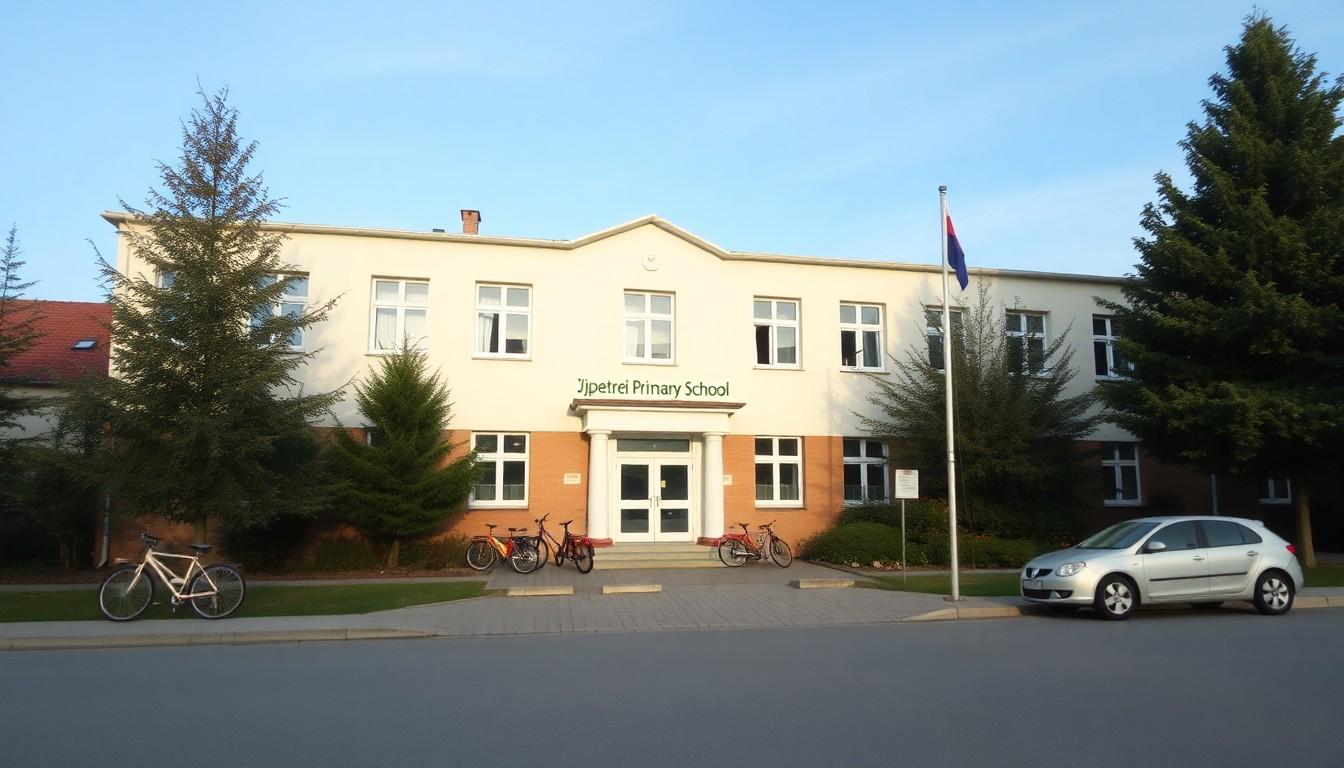
The argument became more immediate after a pro-LGBTQ civil organisation held an awareness-raising session at Újpetre Primary School in Újpetre. The event has prompted renewed concern among critics who say parents should have a clear say before sensitive topics are discussed in the classroom.
Yet the publicly available programme description refers to career guidance and gender roles. It doesn’t establish that pupils were taught about gender transition or homosexuality, according to the Hungarian Conservative’s account of the controversy.
That gap between an event’s label and the evidence available about its content matters. School discussions about identity, careers and social expectations can overlap, but they aren’t automatically the same thing. A calm debate needs the actual lesson plan, age range, parental notification arrangements and details of who delivered the session, rather than assumptions built around a headline.
What the legal change could mean for schools
Removing specific anti-LGBTQ language may give schools and civil organisations more room to discuss inclusion, identity and discrimination. It doesn’t remove the need for clear safeguarding rules, age-appropriate teaching or transparent communication with parents.
The amendment also won’t settle the wider political dispute. Hungary’s government and its critics continue to frame the issue differently, with one side emphasising child protection and parental authority, and the other focusing on equal treatment and freedom from discrimination. The European Court ruling has made that clash harder to contain within domestic politics.
For families, practical questions will matter more than slogans. Parents may want to ask how schools approve external speakers, whether participation is compulsory, what materials are used and how concerns can be raised. Those are sensible checks for any sensitive subject, whatever a family’s political outlook.
The next test will be implementation
The parliamentary vote is only one stage. The real test will come when ministries, schools and local authorities interpret the revised law, and when the EU assesses whether Hungary has met its wider commitments.
Gaycation.eu reported that Hungary had submitted a bill aimed at removing the anti-LGBTQ provisions, while Euronews described the move as part of the country’s response to legal and political pressure. That suggests the amendment is both a domestic policy change and a signal to European institutions.
For parents, the story is unlikely to end with the removal of a few lines from legislation. Trust will depend on openness: what is taught, who is invited into schools and whether families receive clear information before lessons begin. That may sound less dramatic than the parliamentary row, but it’s where the consequences will be felt.
A clearer law is useful, but transparent schools will matter even more.
Source Reference Map
Story idea inspired by: [1]
Sources by paragraph:
- Paragraph 1: [3], [5]
- Paragraph 2: [4], [6]
- Paragraph 3: [2], [3]
- Paragraph 4: [2], [4]
- Paragraph 5: [2], [5]
- Paragraph 6: [2], [3]
- Paragraph 7: [2], [4]
- Paragraph 8: [3], [5]
- Paragraph 9: [4], [6]
- Paragraph 10: [2], [7]
- Paragraph 11: [3], [5]
- Paragraph 12: [4], [7]
- Paragraph 13: [2], [3]
- Paragraph 14: [4], [5]
- Paragraph 15: [6], [7]
- Paragraph 16: [3], [4]
- Paragraph 17: [2], [7]