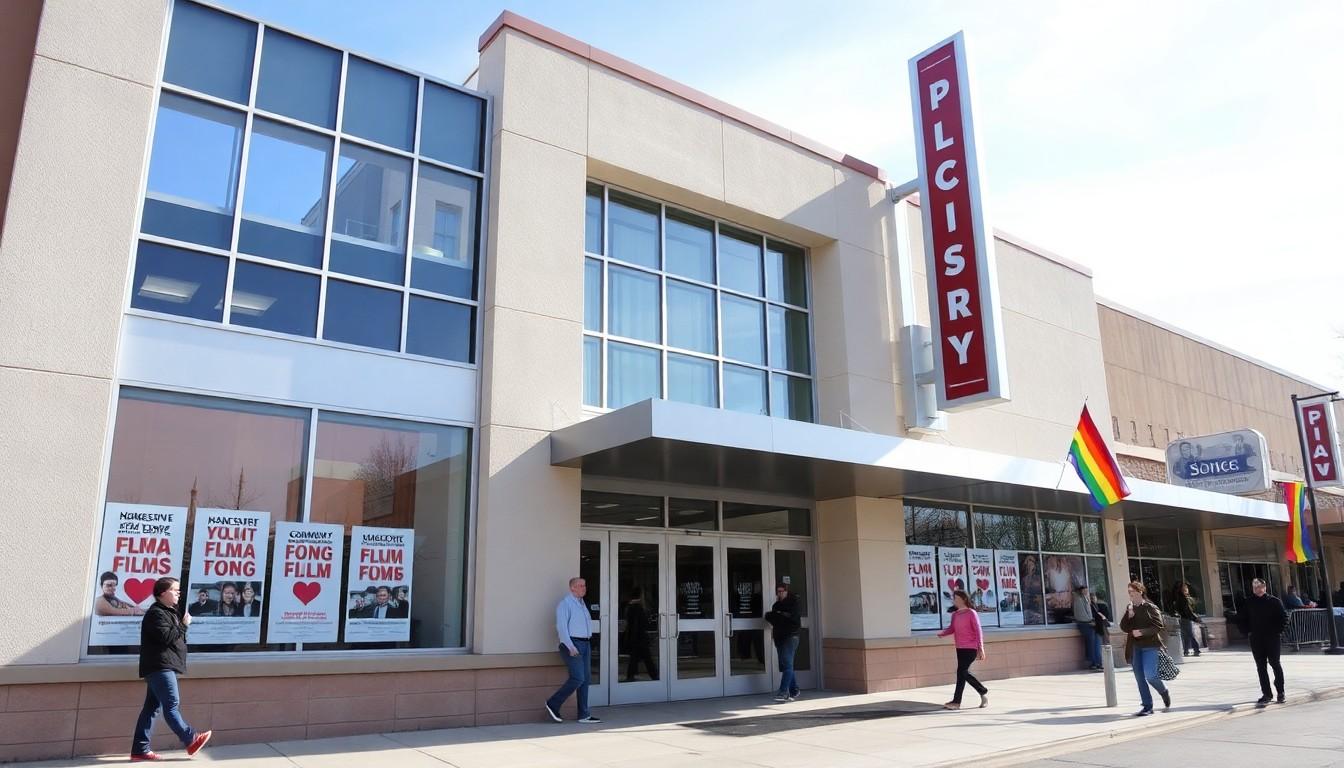
Film fans are heading to Utah for a three-day celebration of LGBTQ+ cinema, with 35 films, bold new voices and two especially intriguing shorts on the bill. The Utah Queer Film Festival begins on 6 November, offering audiences a lively mix of intimate drama, surreal comedy and hopeful visions of queer futures.
Essential Takeaways
- Three days of cinema: The festival will screen 35 LGBTQ+ films from 6 November.
- A forward-looking theme: “Queer Films, Queer Futures” focuses on identity, possibility and resistance.
- Two shorts to watch: I Don’t Feel Like Myself explores trauma and intimacy, while Known takes a playful look at responsibility.
- A Utah tradition: The event is now in its 23rd year, building on the region's established queer film culture.
- Expect variety: The programme moves from emotionally intense drama to mixed-media storytelling with animation and puppetry.
Utah's queer film festival is thinking beyond the usual
The strongest thing about this year's Utah Queer Film Festival isn't simply its size, although 35 films in three days is an impressive cinematic sprint. It's the ambition behind the theme, “Queer Films, Queer Futures”, which looks past familiar stories and asks what kinds of lives, communities and worlds might still be imagined.
That sense of possibility matters in a festival setting. A cinema can feel intimate and electric at once, with strangers sharing a laugh, a gasp or the slightly stunned silence that follows a difficult scene. The Utah Film Center's previous festival programmes show how the event has grown into a significant platform for queer filmmakers and audiences. According to the Utah Film Center, the festival has also evolved alongside wider conversations about representation and belonging.
Two new shorts bring very different energy
Among the films attracting early attention are I Don't Feel Like Myself and Known. They couldn't sound more different on paper, which is precisely the appeal: one is a psychologically bruising drama, while the other turns an everyday object into something unexpectedly unruly.
I Don't Feel Like Myself follows a gay man living with undiagnosed complex post-traumatic stress disorder. As he navigates a relationship with an older man, sex and social status become ways of avoiding thoughts he can't quite face. The result is a story about self-invention that gradually becomes a confrontation with how little control its protagonist feels he has.
The short is directed by Alec Seymour and stars Javan Nelson, Matthew Montelongo and Juliana Dever. Festival programmes from Utah's earlier queer film events suggest an ongoing appetite for stories that place emotional complexity at the centre, rather than treating queer identity as a neat plot point.
Known turns a houseplant into a queer coming-of-age story
Known takes a more playful route. Its central character, Om, is a sperm donor experiencing an existential wobble. He buys a plant, presumably expecting a modest bit of greenery, but the plant soon begins to dominate his daily life.
That oddball premise opens the door to bigger questions about responsibility, adulthood and the pressure of watching everyone else appear to move forward. The film uses animation and puppetry to represent queer growing up, giving the story a handmade, slightly dreamlike quality. It sounds like the sort of short that can make audiences laugh before quietly catching them off guard.
Directed by Anooj Bhandari, who also appears in the film, Known features Robin Virginie, Sethu Nair, Rachel Jihye Han, Michael Improta, MJ Farrell and Scott Redmond. For viewers looking for the best LGBTQ+ short films in Utah this year, its mix of live action and mixed media should make it a particularly distinctive choice.
Why the festival's location matters
A queer film festival in Utah carries a little extra cultural weight. The setting complicates assumptions about where LGBTQ+ art is made, shown and celebrated, while the festival itself offers a visible gathering point for filmmakers and audiences who may not always see their experiences reflected on mainstream screens.
The event's history helps explain its staying power. Earlier editions, including the festival previously known as Damn These Heels, featured dedicated programmes, ticketed screenings and a broad international mix. The name change to Utah Queer Film Festival also signals a clearer connection between the event and the community it serves, according to the Utah Film Center.
That continuity is important. Festivals don't just distribute films; they create context around them. A short that might disappear online can become a conversation starter when watched in a room full of people ready to engage with it.
How to make the most of the programme
With 35 films across three days, casual browsing could quickly become a scheduling headache. Start by choosing whether you're in the mood for intense drama, comedy, experimental work or documentary storytelling, then build a small route around those preferences rather than trying to see everything.
It’s also worth leaving breathing room between screenings. The best festival discoveries often happen when a film you didn't plan to watch turns out to be the one you keep discussing afterwards. Check the official programme for running times, age guidance and ticket information before travelling, especially if you're planning to catch both featured shorts.
For newcomers, a good approach is to pair one emotionally demanding film with something lighter. After all, even the most committed cinephile needs a snack, a chat and a moment to recover from a particularly devastating ending.
A hopeful programme with plenty to defend
The Utah Queer Film Festival's theme is grand, but its appeal is wonderfully practical: it gives audiences three days to encounter fresh stories, unfamiliar styles and perspectives that deserve room on the big screen.
I Don't Feel Like Myself and Known offer a neat snapshot of that range, moving from psychological unease to surreal domestic comedy. Together, they suggest a festival that's not content simply to repeat established narratives. It wants to ask what comes next, and it sounds ready to make that question entertaining.
Book time for the films that catch your eye, and leave space for a surprise.
Source Reference Map
Story idea inspired by: [1]
Sources by paragraph:
- Paragraph 1: [2], [3]
- Paragraph 2: [4], [5]
- Paragraph 3: [2], [3]
- Paragraph 4: [4], [6]
- Paragraph 5: [3], [5]
- Paragraph 6: [2], [4]
- Paragraph 7: [3], [5]
- Paragraph 8: [4], [6]
- Paragraph 9: [2], [3]
- Paragraph 10: [4], [5]
- Paragraph 11: [2], [3]
- Paragraph 12: [4], [5]
- Paragraph 13: [2], [3]
- Paragraph 14: [4], [6]
- Paragraph 15: [2], [5]