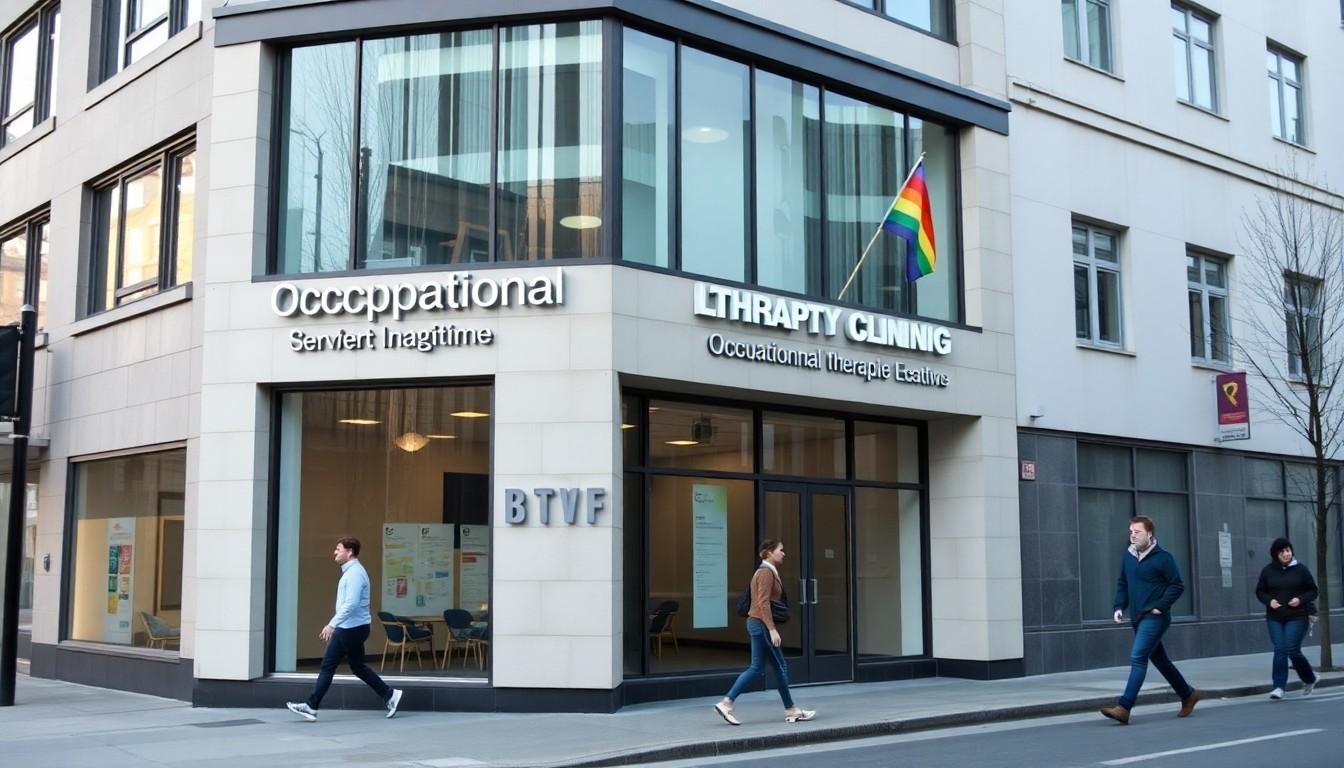
Researchers have mapped how occupational therapy can support LGBTQ+ youth in the United States, highlighting practical approaches from psychosocial care to employment support. The review matters because young people facing discrimination, isolation or changing political pressures may need help taking part in everyday life safely, confidently and on their own terms.
Essential Takeaways
- Five approaches emerged: Psychosocial, activity-based, sexual-health, camp-based and employment-focused interventions all fell within occupational therapy's potential scope.
- The evidence is uneven: Only one of the 30 included studies directly evaluated an occupational therapy intervention.
- Everyday participation matters: Support can focus on routines, relationships, education, work, leisure and community life.
- Affirming practice is essential: Young people need services that respect identity, privacy, safety and self-determination.
- More research is needed: Future studies should test occupation-centred interventions designed specifically for LGBTQ+ youth.
Why everyday activities can become a health issue
A morning routine, a trip to college, joining a club or applying for a job can sound ordinary. For LGBTQ+ young people, however, these activities may involve worries about misgendering, rejection, harassment or whether a service feels safe. That extra mental load can make daily participation harder, even when the activity itself appears simple.
The scoping review, published in the Open Journal of Occupational Therapy, examined US research on interventions that occupational therapists could deliver or support. It found 30 relevant studies, but only one directly assessed an occupational therapy intervention, according to the review.
That gap is important. Occupational therapy is often associated with rehabilitation, yet its broader focus is helping people participate in meaningful daily occupations. For LGBTQ+ youth, that could mean building routines, finding supportive social spaces or navigating education and employment.
Five intervention types stood out
The review grouped the evidence into five broad categories: psychosocial, activity-based, sexual-health, camp-based and employment-focused interventions. Psychosocial work was the most common, reflecting the need for support with wellbeing, identity, relationships and coping.
Activity-based programmes take a more practical route. They may use creative projects, sport, peer activities or structured routines to strengthen confidence and connection. This can be especially valuable when a young person has experienced exclusion, because participation offers more than distraction. It creates a chance to practise skills and feel seen.
Sexual-health interventions also have a clear place, provided they're inclusive and developmentally appropriate. Accurate information, respectful communication and access to trustworthy services can help young people make informed decisions without shame or assumptions.
Support should feel affirming, not merely available
A service can technically be open to everyone and still feel uncomfortable. Forms that offer no space for a chosen name, staff who make assumptions, or group activities built around rigid gender roles can all send a quiet but powerful message that someone doesn't quite belong.
Affirm Youth, a programme from the SOGIE Center, illustrates the wider importance of affirming support for young people with diverse sexual orientations and gender identities. Programmes of this kind can provide validation, connection and practical help, while occupational therapy can add a focus on routines, participation and environmental barriers.
The practical test is simple: can a young person attend, speak honestly and take part without having to educate the adults around them? If not, the intervention needs more work before it can be considered genuinely accessible.
What occupational therapists can do in practice
Occupational therapists and assistants can begin by asking what the young person wants to do more easily, rather than treating identity as a problem to be fixed. That might be attending school, sleeping better, spending time with friends, using public transport, volunteering or preparing for work.
From there, support could include adapting routines, rehearsing difficult conversations, identifying safer community spaces or building strategies for managing stress. A practitioner might also work with families, schools and employers to reduce environmental barriers, rather than placing the entire burden on the young person.
For fast-moving services, a few safeguards make a noticeable difference. Use the person's chosen name and pronouns, protect confidentiality, explain who will see their information and avoid making assumptions about partners, families or goals. These are small actions, but they can determine whether support feels safe enough to use.
The research needs to catch up with the need
The review found that the strength of evidence varied considerably across the studies. Much of the available work sits within occupational therapy's scope rather than being led by occupational therapists, which makes it harder to identify exactly which approaches work best and for whom.
Research published through the American Journal of Occupational Therapy and other related outlets has helped build the wider evidence base around LGBTQ+ health and participation. Still, the field needs more studies designed with LGBTQ+ young people, not simply about them. Co-designed research is more likely to capture real priorities, including safety, belonging, independence and access to ordinary opportunities.
The outlook is promising, but the next step isn't just adding more programmes. It's testing thoughtful, occupation-centred interventions and measuring outcomes that matter in real life. Being able to attend school, find work, connect with others and enjoy daily routines is a meaningful result in its own right.
Support works best when it helps young people live more freely, not when it asks them to fit more comfortably into systems that were never designed with them in mind.
Source Reference Map
Story idea inspired by: [1]
Sources by paragraph:
- Paragraph 1: [2], [4]
- Paragraph 2: [3], [6]
- Paragraph 3: [4], [7]
- Paragraph 4: [2], [5]
- Paragraph 5: [3], [6]
- Paragraph 6: [4], [7]
- Paragraph 7: [2], [5]
- Paragraph 8: [3], [6]
- Paragraph 9: [4], [5]
- Paragraph 10: [2], [7]
- Paragraph 11: [3], [6]
- Paragraph 12: [4], [5]
- Paragraph 13: [2], [7]
- Paragraph 14: [3], [6]