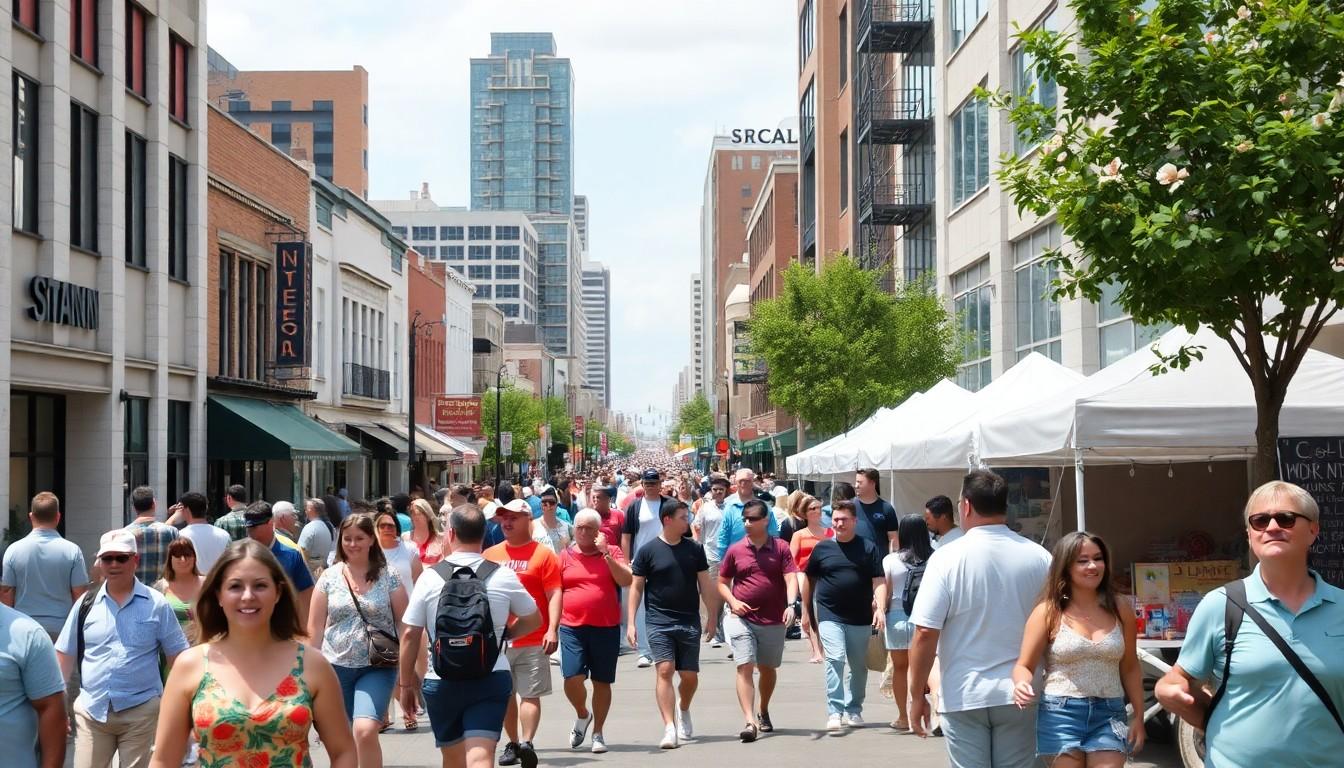
Shoppers, performers and LGBTQ+ residents filled Dallas’s Oak Lawn neighbourhood for a lively weekend of Pride, turning Cedar Springs Road into a colourful mix of music, food, local business and community spirit. The event mattered because it celebrated queer life while giving nearby independent venues a welcome economic lift.
Essential Takeaways
- A community-centred celebration: Oak Lawn Live brought performances, vendors, food offers and creative activity together in Dallas’s LGBTQ+ district.
- More than entertainment: Organisers presented the festival as a way to spotlight Oak Lawn as a welcoming, safe neighbourhood.
- Local businesses benefited: Restaurants, bars and shops joined in rather than closing, helping keep spending within the community.
- Music was central: Live stages and visiting performers gave the streets a festival feel, even in difficult heat.
- A useful visitor tip: Wear light clothing, plan breaks indoors and check event listings before travelling, as programmes can change.
Oak Lawn turned Pride into a street party
The strongest impression from Oak Lawn Live was its sheer warmth. Under a blazing Dallas sky, people moved between stages, restaurants and stalls, with the neighbourhood’s familiar streets briefly feeling like one large outdoor celebration.
The Cedar Springs Merchant Association created the festival with a clear purpose: to show that Oak Lawn is not simply a nightlife strip. It’s also a place where LGBTQ+ residents, visitors and allies can meet, spend time and feel at home. Event listings from Dallas Voice, the Dallas Observer and Eventeny all positioned the gathering as a broad music and arts festival rather than a single-venue party.
That distinction matters. A good Pride event should feel joyful, of course, but it should also reveal something about the place hosting it. Here, the message was simple: the neighbourhood has a history, a personality and plenty of reasons to visit in daylight.
Why local businesses were part of the celebration
One of Oak Lawn Live’s smartest features was its focus on nearby businesses. Restaurants and bars offered special promotions and themed activities, encouraging visitors to explore beyond the performance areas and spend time with the venues that help define Cedar Springs Road.
That approach gives a street festival a longer shelf life. Instead of creating a temporary bubble that disappears once the music ends, it directs attention towards the cafés, bars, shops and restaurants that operate there throughout the year. Dallas Voice’s event coverage highlighted the festival’s role in supporting local commerce, while event information listed participating businesses and activities across the area.
For independent venues, that visibility can be crucial. A busy weekend may help fund future programming, maintain staff and keep empty shopfronts at bay. It also gives visitors a more rounded experience: a cold drink, a shaded table and a bit of people-watching can be just as memorable as the headline act.
Music, drag and art gave the weekend its rhythm
Live entertainment supplied the festival’s pulse, with multiple stages and performances designed to keep people moving through the neighbourhood. The programme blended music, drag and visual culture, making Oak Lawn Live feel less like a standard commercial event and more like a living snapshot of Dallas’s queer scene.
That mix is part of the appeal of the best Pride festivals. There’s usually something for the committed music fan, the curious visitor and the person who simply wants to stand with friends, watch the crowd and take in the atmosphere. Event listings from the Dallas Observer and Eventeny described a programme built around music, arts and community participation.
Heat, however, was part of the practical reality. Visitors would have been wise to carry water, use indoor venues as cool-down stops and avoid treating the whole day like an endurance test. Pride is more enjoyable when your feet, skin and phone battery all survive it.
A festival with a bigger message
The celebration took place against a tense political backdrop for LGBTQ+ Texans, which gave the weekend added emotional weight. Joy wasn’t presented as an escape from those pressures so much as a way of showing resilience and refusing to disappear.
That’s why neighbourhood-based events can feel especially powerful. Large parades attract attention, but smaller local festivals often make community visible in a more personal way. People recognise familiar faces, support places they know and see the area itself become a statement of belonging.
The organisers’ emphasis on safety, diversity and economic sustainability also gave the event a practical edge. It’s easy to talk about community in abstract terms; it’s more meaningful when that idea appears in the form of open doors, busy independent venues and streets where people feel comfortable being themselves.
What visitors can take from Oak Lawn Live
For anyone planning a future Dallas Pride trip, Oak Lawn is worth treating as a destination rather than a quick stop between events. Check the festival timetable, look at participating venues and allow time for the quieter details, from local food offers to murals, pop-up stalls and conversations with residents.
Comfort is important, especially during Dallas’s warmer months. Choose breathable clothing, bring sun protection and schedule regular indoor breaks. If you’re travelling with friends, agree on a meeting point too; lively street events can make even familiar corners surprisingly hard to find.
The wider lesson is just as useful. Pride celebrations are at their best when they connect culture with place, and Oak Lawn Live showed how music, local business and LGBTQ+ visibility can work together. It felt festive, but it also felt rooted.
It's a small reminder that community pride can be joyful, practical and wonderfully loud at the same time.
Source Reference Map
Story idea inspired by: [1]
Sources by paragraph: