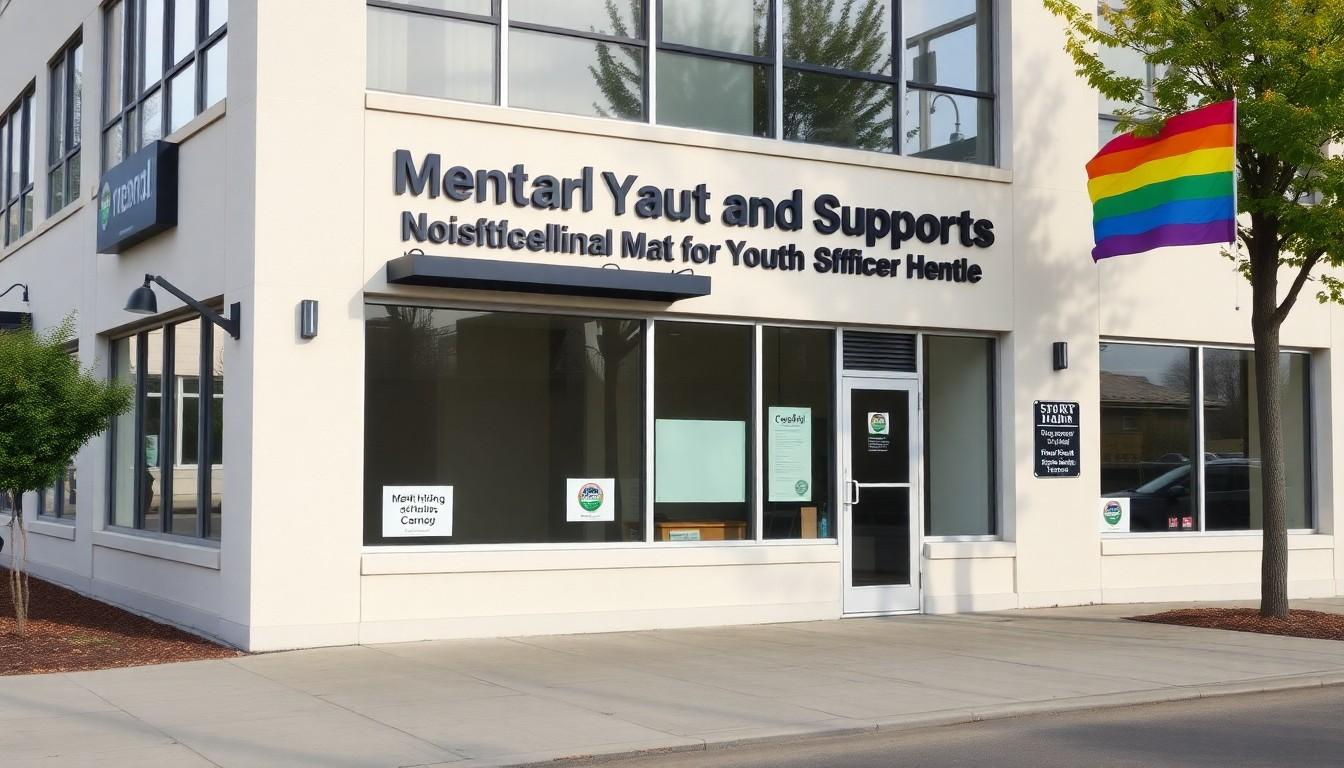
Young LGBTQ+ people in Oregon can once again press 3 when calling 988, reconnecting them with specialist crisis support after the option disappeared in 2025. The change matters in a state with a high suicide rate, offering callers a familiar, confidential route to trained responders who understand the pressures they may be facing.
Essential Takeaways
- The option has returned: Callers to 988 can press 3 for LGBTQ+ youth support.
- It was restored nationally: The service became available again on 30 September.
- Specialist care matters: Young LGBTQ+ people face a much higher risk of suicidal thoughts than their peers.
- Help is free and confidential: Call or text 988 at any time in the US.
- The wider service is growing: 988 answered about 7 million calls in 2025.
A familiar lifeline is available again
For LGBTQ+ young people in crisis, a phone menu can feel like a surprisingly important doorway. Pressing 3 now reconnects callers with trained responders who are prepared to listen without judgement, rather than leaving them to explain their identity before receiving relevant support.
The restoration is especially significant in Oregon, where suicide rates remain among the highest in the United States. NAMI welcomed the return of the specialist option, while Lines for Life, the organisation operating much of Oregon's 988 network, said callers should expect empathy and care. (National Alliance on Mental Illness, Lines for Life)
The service is available through the national 988 Suicide and Crisis Lifeline. People can call or text 988 for free, confidential help, and callers don't need to be at immediate risk to reach out. (Medical Daily, Los Angeles Times)
Why the Press 3 service disappeared
The LGBTQ+ youth option was part of 988 when the three-digit service launched in 2022. It sat alongside options for veterans and Spanish-speaking callers, giving people a quicker route to support tailored to their circumstances.
That changed in July 2025, when federal officials cited funding pressures. The decision prompted criticism from LGBTQ+ advocates and lawmakers, who argued that removing a dedicated route would make an already difficult moment harder for vulnerable young people. (Substance Abuse and Mental Health Services Administration, Representative Michael Lawler)
Congress later restored funding, allowing the specialist service to return nationally. The episode shows how quickly access to mental health support can become entangled with budgets and politics, even when the need itself hasn't gone away. (NAMI, Representative Michael Lawler)
The need remains sharply unequal
National youth survey data shows that LGBTQ+ teenagers continue to report suicidal thoughts at far higher rates than the wider teenage population. In 2025, roughly one in four to one in three high school students identifying as gay, lesbian, bisexual or transgender said they had seriously considered suicide. (Los Angeles Times, Medical Daily)
Those figures matter because a crisis line isn't simply a last resort. It can be a quiet place to talk through overwhelming feelings, fear, isolation or conflict before the situation becomes more dangerous. As experts have repeatedly noted, suicidal feelings can shift, and speaking openly with another person may help create enough space for the next step. (NAMI, Medical Daily)
The broader picture is cautiously encouraging. Research has linked the introduction of 988 with a faster fall in suicide rates among people aged 15 to 34, particularly in states where more calls were answered. That doesn't prove the helpline is responsible for every improvement, but it underlines the value of making support easy to find. (Los Angeles Times, The Posting Board)
How to use 988 in a crisis
Calling or texting 988 connects people with trained crisis counsellors. LGBTQ+ young people and their supporters can ask for the Press 3 route, while anyone who feels unsafe can simply stay on the line and explain what's happening in their own words.
If you're helping someone else, try to stay calm, listen more than you speak and avoid brushing off what they're feeling. If there is immediate danger, don't leave them alone, remove obvious means of harm where it is safe to do so and contact emergency services.
And if you're the person in crisis, you don't need a perfect explanation. A message as simple as "I'm thinking about suicide and need help" is enough to begin. (SAMHSA, NAMI)
A practical return, with real stakes
The restored option won't solve every gap in mental health care, and a crisis line can't replace ongoing counselling, community support or safer homes and schools. But it removes one small barrier at exactly the point when small barriers can feel enormous.
For LGBTQ+ young people who have previously felt dismissed or misunderstood, knowing that a specialist responder is only a button away may bring a measure of reassurance. Sometimes hope begins with something as ordinary as a phone that gets answered. (Lines for Life, NAMI)
If you or someone you know is considering suicide, call or text 988 in the US for free, confidential support, available 24 hours a day.
A dedicated route to compassionate help is back, and knowing how to use it could make all the difference.
Source Reference Map
Story idea inspired by: [1]
Sources by paragraph:
- Paragraph 1: [2], [4]
- Paragraph 2: [3], [5]
- Paragraph 3: [6], [7]
- Paragraph 4: [2], [3]
- Paragraph 5: [4], [7]
- Paragraph 6: [2], [3]
- Paragraph 7: [4], [7]
- Paragraph 8: [5], [2]
- Paragraph 9: [1], [4]
- Paragraph 10: [2], [5]
- Paragraph 11: [1], [2]
- Paragraph 12: [4], [7]
- Paragraph 13: [5], [2]
- Paragraph 14: [1], [2]