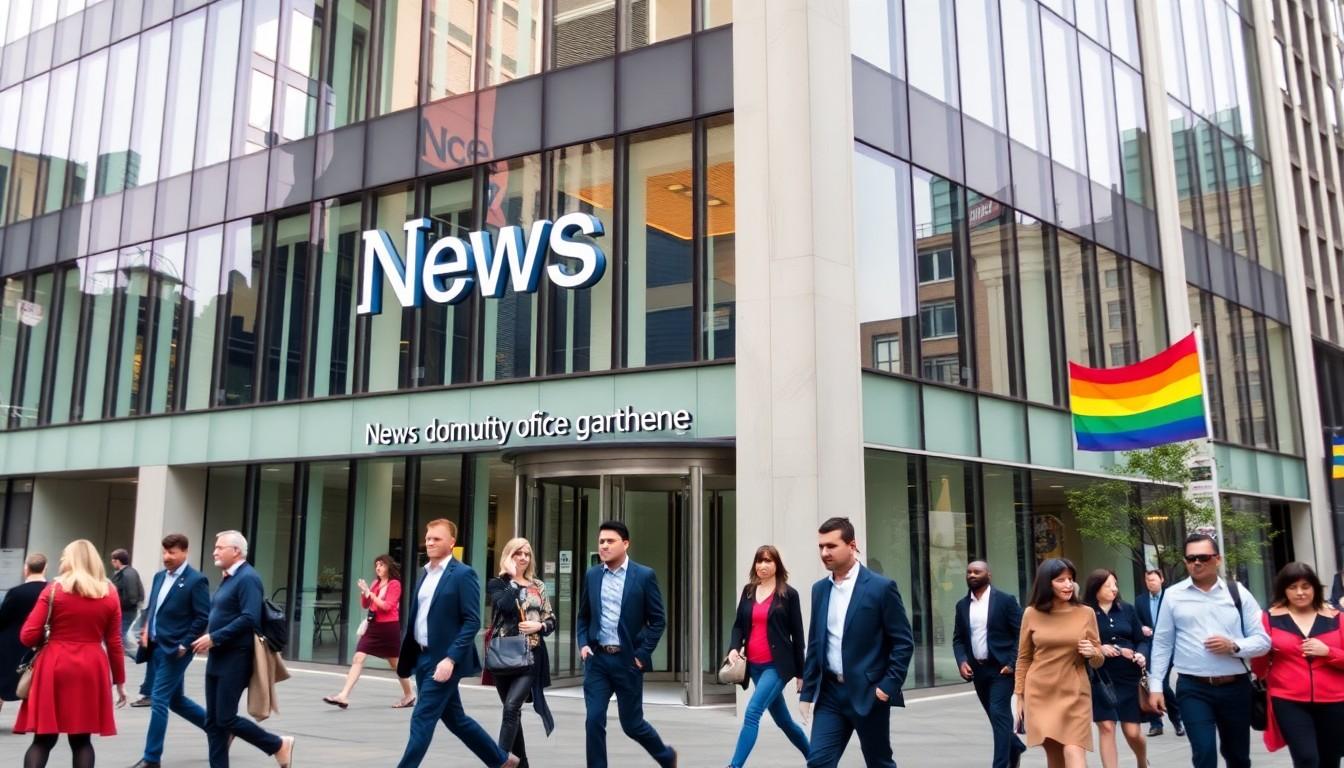
Readers are debating whether news coverage should plainly describe JD Vance’s remarks about James Talarico’s sexuality as homophobic, rather than filing them under vague “personal attacks”. The argument matters because wording can either expose a political tactic or make prejudice sound like ordinary campaign banter.
Essential Takeaways
- The controversy: Vance made a sexuality-related joke about Democratic candidate James Talarico at a Texas rally.
- The wording dispute: Critics say describing the episode as a “personal broadside” understates its homophobic character.
- The wider pattern: LGBTQ+ campaign rhetoric has become a recurring feature of American political messaging.
- Why language matters: Passive phrasing can make a well-documented insult seem like a matter of opinion.
- The reader test: Ask whether a headline identifies the conduct clearly, or simply reports that somebody objected to it.
The headline became part of the story
The original remarks were provocative, but the media response created a second controversy. Coverage that described Vance's comments as a “personal broadside”, while saying they were criticised as homophobic, prompted questions about whether the wording was too careful. The criticism is simple: if the conduct fits a recognised description, why hide behind anonymous disapproval?
Reports from LGBTQ Nation and the Washington Blade said Vance took aim at Talarico's sexuality during a Texas event. That framing places the remarks in a political setting, but it doesn't make them neutral. A joke can still carry a message, especially when it relies on suggesting that a male candidate's sexuality is amusing or disqualifying.
The result feels oddly bloodless. The language sounds like a dispute over tone, when the substance is an attempt to turn identity into a punchline.
Why “critics say” can blur responsibility
There are moments when journalists rightly attribute contested claims. But when a public figure makes a recorded remark, the basic facts aren't floating in a fog of competing interpretations. Readers can be told what was said, who said it and why it drew condemnation.
Commentary from The Poke and Mandatory described the joke as an attempted homophobic gag that backfired. That reaction highlights the weakness of vague formulations: they can give the original speaker the benefit of uncertainty while placing the burden of explanation on everyone objecting.
This is a familiar newsroom habit. A headline may say an official “faced criticism” instead of saying the official made a sexist, racist or homophobic comment. It sounds measured, but sometimes it merely moves the sharpest word out of the sentence where readers most need it.
Vance's remark fits a larger political pattern
The episode doesn't exist in isolation. Coverage from Urania Institute and the Washington Blade placed the comments amid broader attacks on Talarico and wider arguments about LGBTQ+ people in American politics. That context matters, because repeated jokes about masculinity and sexuality aren't just random flashes of impish humour.
The criticism aimed at cautious coverage is that it treats each incident as an oddity. That can make a sustained political strategy look like a string of disconnected gags. Meanwhile, audiences are left to connect the dots themselves, often while campaigners insist there are no dots to connect.
Television reaction also showed how quickly the remarks became part of a broader cultural conversation. TheWrap reported on discussion of the incident on The View, where the joke was treated as revealing rather than harmless. That distinction is important: a line can fail as comedy and still succeed as signalling.
Clear language doesn't mean partisan language
News organisations don't need to adopt an activist tone to describe a comment accurately. They can use precise terms, identify the speaker and provide the surrounding facts without pretending that every judgement is equally uncertain.
A useful test is to reverse the political roles. If a politician had made an explicitly demeaning comment about another protected group, would the headline call it an attack, a joke, or prejudice? Consistency is more convincing than a tone of neutrality applied only when the subject is politically powerful.
Readers should also look beyond the headline. The article may include enough detail to explain the remark, its target and the response, even if the top line is cautious. But headlines shape first impressions, and many people will never read past them. That makes every softened phrase carry real weight.
What coverage should do next
The strongest reporting would distinguish between a disputed policy argument and a personal insult aimed at sexuality. It would explain the political context, quote or paraphrase the relevant remark accurately, and identify the reaction without turning the existence of prejudice into an unresolved mystery.
Coverage from LGBTQ Nation, The Poke, TheWrap and Mandatory shows how different outlets can foreground the same episode in different ways, from the failed joke to the backlash. That variety is useful, but it also reveals why editorial choices matter: one label can make the incident feel like a serious abuse of power, while another makes it sound like a slightly embarrassing rally moment.
The larger lesson is uncomfortable but useful. When public figures use identity as a weapon, euphemisms don't make the politics less hostile. They simply make the hostility easier to overlook.
Clear reporting names the conduct, explains the pattern and lets readers judge the response with the facts in view.
Source Reference Map
Story idea inspired by: [1]
Sources by paragraph: