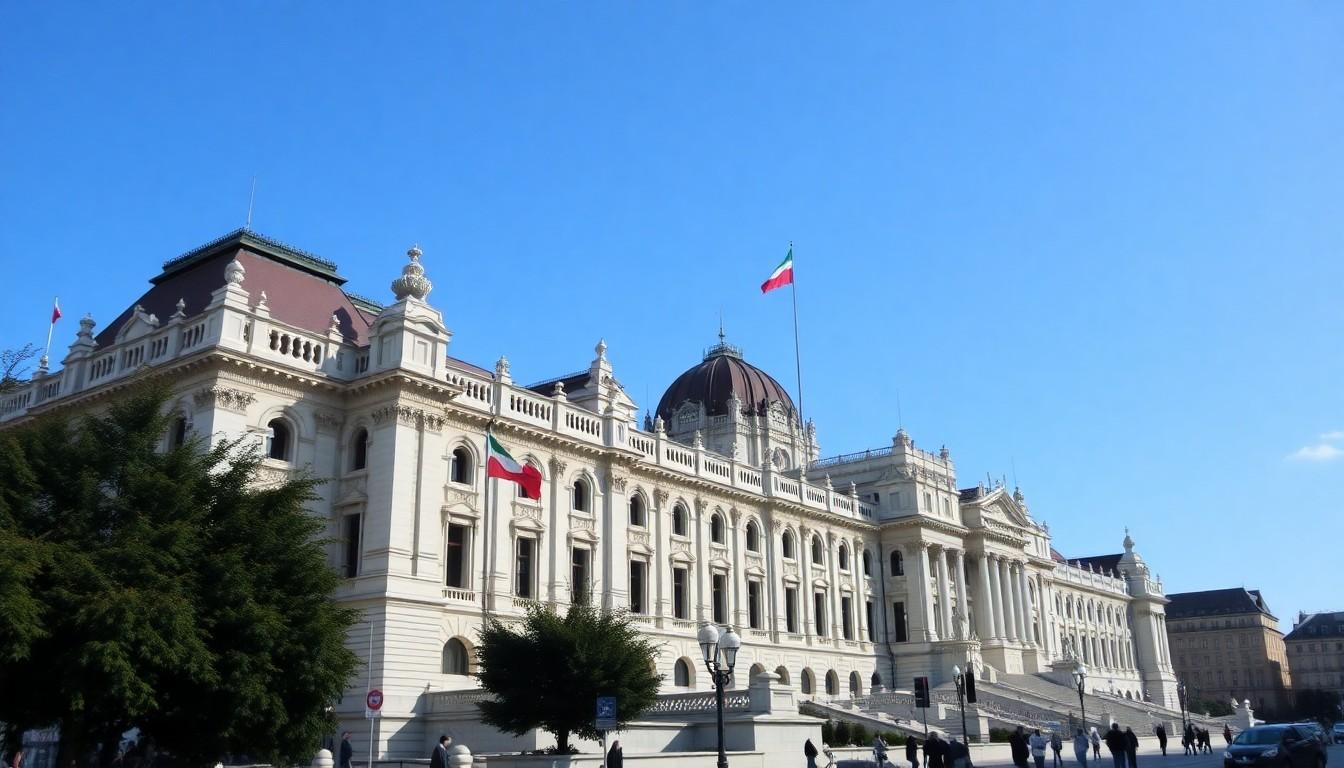
Hungary’s parliament has approved changes to its child-protection law, removing several restrictions on LGBTQ-related content while retaining wider safeguards against sexual abuse, manipulation and exploitation. The move could affect what children encounter in schools, on television and in advertising, and has reignited a fierce argument over parental rights, education and political values.
Essential takeaways
- Parliament has approved the amendments: The changes revise parts of Hungary’s earlier child-protection framework.
- Several LGBTQ restrictions are gone: Provisions covering the promotion or depiction of homosexuality and gender identity have reportedly been removed.
- Broader protection remains: The law still targets content linked to sexual violence, manipulation and exploitation of minors.
- Schools are at the centre of the debate: Critics fear the wording could allow more LGBTQ-related material into education.
- The legal picture is unsettled: Experts say broad safeguarding language may leave more room for interpretation than the previous rules.
Hungary’s parliament has approved a major legal shift
Hungary’s lawmakers have backed amendments that change the country’s approach to child protection, with the most politically sensitive alterations involving LGBTQ-related content. International coverage from AFP describes the move as a retreat from several restrictions introduced during the Viktor Orban era, although the government presents the package as a stronger response to abuse and exploitation.
For families, the argument isn't an abstract legal tussle. It reaches into the places children spend most of their time, from classrooms and television screens to online platforms and advertising. The detail may be dry, but its everyday impact could be anything but.
What has changed in the child-protection rules?
The revised framework removes specific prohibitions concerning the promotion or presentation of homosexuality, gender identity and gender transition, according to legal analysis from CMS. At the same time, provisions aimed at shielding minors from sexual violence, coercion, manipulation and exploitation remain part of the law.
That combination is at the heart of the controversy. Supporters of the amendments say the state can tackle genuine abuse without maintaining broad restrictions on LGBTQ representation. Opponents argue that deleting clear boundaries creates uncertainty and may weaken protections that parents relied upon.
The Brussels Signal reported that the changes effectively roll back prominent anti-LGBTQ elements of the earlier legislation. That doesn't mean every form of content is automatically permitted, but it does mark a notable change in the legal starting point.
Why schools have become the flashpoint
The most heated concern involves education. Conservative critics say the removal of earlier restrictions could make it easier for LGBTQ themes to appear in school materials, lessons or activities, while supporters see the revision as a correction to rules they regarded as discriminatory.
This is where legal wording meets parental anxiety. A classroom discussion, a book on a library shelf and a television programme aren't the same thing, yet broad political claims often bundle them together. The result is a debate that can feel less like a policy briefing and more like a tug-of-war over who gets to shape a child's worldview.
LGBTQ Nation and Metro Weekly both described the vote as a reversal of provisions that had limited LGBTQ representation in schools and on television. Their reporting underlines why the change is being watched beyond Hungary: it tests whether child-protection laws can be narrowly focused on harm without restricting identity or representation.
A sharper focus on abuse, but more room for interpretation
One practical question is whether the revised rules will offer clearer protection against harmful material. The amendments are designed to address sexual exploitation and abuse, including content that encourages or normalises violence against children. That objective has attracted less controversy than the provisions dealing with identity and representation.
The concern from critics is that specific bans have been replaced, at least in part, with wider principles. CMS noted that Hungary's amendments followed legal pressure connected to the European Union's values and internal-market framework, which helps explain why lawmakers revisited the earlier system.
For parents, the sensible approach is to look beyond slogans and ask what the final implementing rules say about age ratings, school guidance, complaints procedures and platform responsibility. Those practical details will matter far more than the political labels attached to the law.
The wider European argument is unlikely to disappear
The decision places Hungary within a broader European dispute about children's rights, LGBTQ equality and the limits of national education policy. AFP's coverage presents the measure as a reversal of part of the previous government's legislative legacy, while international LGBTQ-focused outlets have welcomed the removal of the targeted restrictions.
Domestic conservatives, meanwhile, argue that the reforms discard safeguards and could expose children to messaging they believe belongs under parental control. That criticism reflects a wider unease: when governments rewrite education and media rules, families want to know not only what is banned, but also who decides what is appropriate.
The next test will be enforcement. If schools, broadcasters and online services receive precise guidance, the change may settle into a more conventional child-safety framework. If the rules remain vague, the argument will simply move from parliament to classrooms, regulators and courtrooms.
The real impact will depend on how the new protections are applied in daily life.
Source Reference Map
Story idea inspired by: [1]
Sources by paragraph: