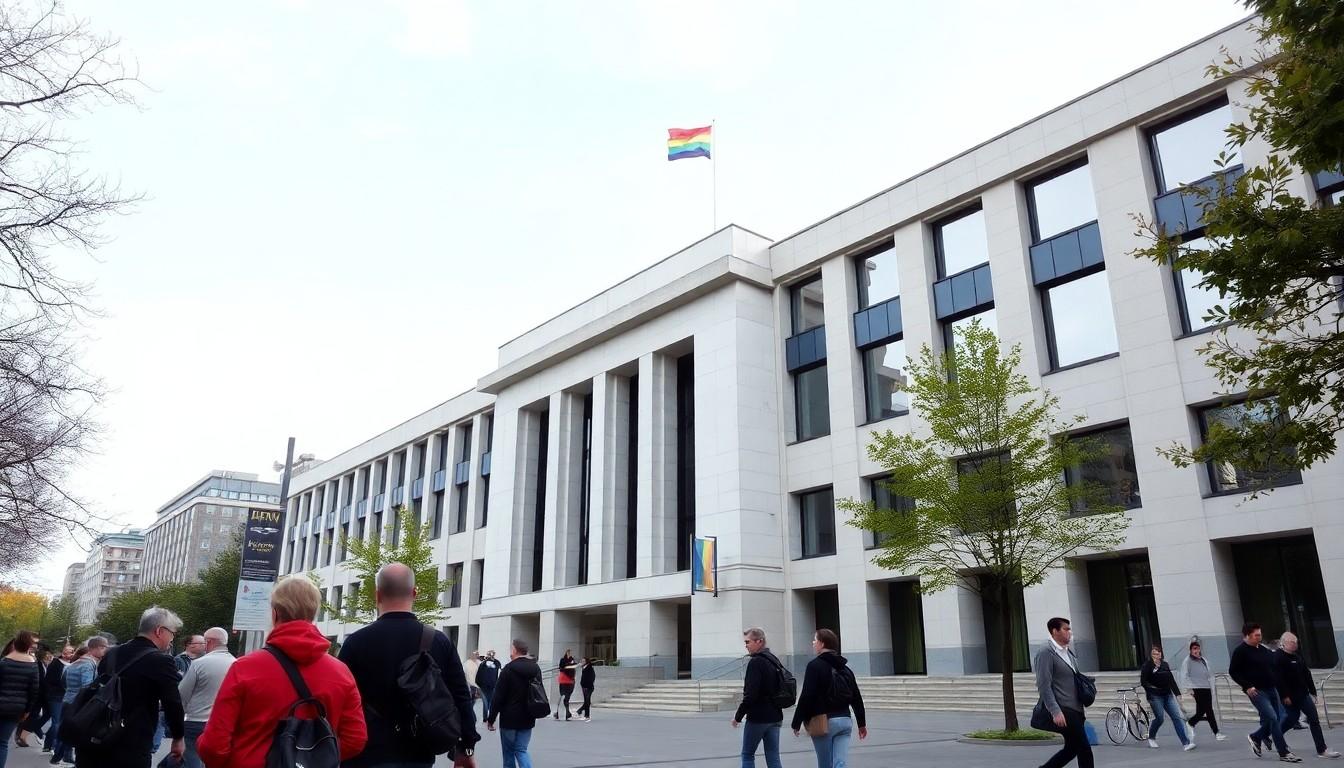
Hungarian lawmakers have voted to scrap anti-LGBTQ+ provisions from a controversial child protection law, marking a significant change after Viktor Orbán’s defeat. The move follows an EU court ruling and could ease pressure on schools, broadcasters and LGBTQ+ communities, although campaigners warn that wider legal restrictions still need urgent attention.
Essential Takeaways
- Parliamentary change: Hungary’s lawmakers voted 139-51 to remove the disputed provisions.
- What changes: References to portraying or promoting sexual and gender diversity will be deleted.
- EU pressure: The reform follows a court ruling that found the restrictions breached European law.
- Rights groups remain cautious: Campaigners say further reforms, including on gender recognition and adoption, are still needed.
- A broader political shift: The vote comes after Péter Magyar defeated Viktor Orbán in April’s election.
Hungary rolls back one of Orbán’s most divisive laws
Hungary’s parliament has voted to remove anti-LGBTQ+ language from a 2021 law presented as a child protection measure. The vote, reported by Euronews and Agence France-Presse, passed by 139 votes to 51, replacing sweeping restrictions with a narrower focus on material that could seriously harm a child’s physical, intellectual, emotional or moral development.
For LGBTQ+ people, schools and broadcasters, the difference is more than wording. The previous rules barred the portrayal or promotion of sexual and gender diversity in educational settings and television content accessible to children. The legislation created a chilly atmosphere around books, lessons and programmes that simply reflected the existence of LGBTQ+ people.
The change also carries a clear political message. It follows Péter Magyar’s election victory over Viktor Orbán, whose Fidesz party now holds just 55 of the Hungarian parliament’s 199 seats, according to Metro Weekly. Magyar’s centre-right Tisza party won 138 seats, giving the new government a strong mandate to redraw parts of the previous administration’s legal agenda.
An EU ruling helped force the issue
The parliamentary vote follows an EU court decision in April that found Hungary’s restrictions incompatible with European laws and treaties. ILGA-Europe described the repeal as an important step towards restoring rights, while stressing that legal change must be matched by practical protections.
The dispute had placed Hungary in the same international conversation as Russia, where so-called “homosexual propaganda” rules have been used to suppress LGBTQ+ visibility. Critics argued that Hungary’s law dressed censorship in the language of child welfare, leaving parents, teachers and media companies unsure about what could safely be shown or discussed.
It also contributed to wider conflict between Budapest and Brussels. The European Union had frozen billions in funding over concerns about rule-of-law failures and other breaches, including the anti-LGBTQ+ legislation. Scrapping the provisions could therefore improve Hungary’s relationship with the EU, although it’s unlikely to resolve every dispute overnight.
Pride restrictions and trans rights remain unresolved
The repeal doesn’t wipe the wider record clean. Under Orbán, the government amended the law to support a nationwide ban on Pride parades. People marched regardless, but organisers faced legal proceedings for defying the restriction, as AFP reported.
Trans people also continue to face serious barriers. Hungary previously introduced rules preventing people from correcting gender markers on official documents, leaving legal identity disconnected from lived reality. That means the end of one set of restrictions shouldn’t be mistaken for a complete rights reversal.
Tamas Dombos of the Hatter Society welcomed the court ruling but warned that “there is still a lot to do”, according to the source report. His point lands because legal reform is rarely a single dramatic switch. It’s more often a long list of smaller amendments, each one affecting whether people can work, study, travel or access public services without being singled out.
What the change means for schools and broadcasters
For schools, the immediate effect should be less fear around age-appropriate discussion of LGBTQ+ people and relationships. Teachers and publishers may still have to follow general child-protection rules, but the specific language targeting sexual and gender diversity will disappear.
Broadcasters and streaming services could also see more breathing room. The former provisions applied to child-accessible television content, making ordinary representation vulnerable to official scrutiny. Removing those references should make it easier for families to encounter LGBTQ+ characters and themes without the state treating visibility itself as dangerous.
That doesn’t mean every dispute will vanish. The replacement law still allows authorities to restrict content considered seriously damaging to children, so its interpretation will matter. As with any reform, the real test will be whether schools, regulators and media companies feel able to act normally rather than cautiously guessing what might trigger punishment.
Hungary’s next test could be same-sex adoption
The government’s decision is part of a wider, unfinished debate. Magyar has announced plans to end Hungary’s ban on same-sex couples adopting children, according to Metro Weekly and Nacionale. That restriction grew from a constitutional definition of family as headed by a man and a woman.
The existing system also requires single applicants to receive approval from the family affairs minister. In practice, that made adoption extremely difficult for single people in same-sex relationships, creating a barrier that campaigners say was designed to exclude LGBTQ+ families without always naming them directly.
Magyar has avoided making LGBTQ+ rights a centrepiece of his political identity, but he has said he wants Hungary to be a country where nobody is stigmatised for thinking or loving differently from the majority. That’s a carefully chosen promise, yet the coming months will show whether it becomes meaningful policy or remains reassuring election language.
The repeal is important, but it’s best understood as a beginning rather than a finish line.
Explore the next reforms closely, because the details will matter as much as the headline vote.
Source Reference Map
Story idea inspired by: [1]
Sources by paragraph:
- Paragraph 1: [2], [4]
- Paragraph 2: [3], [5]
- Paragraph 3: [3], [6]
- Paragraph 4: [2], [4]
- Paragraph 5: [5], [6]
- Paragraph 6: [4], [5]
- Paragraph 7: [3], [4]
- Paragraph 8: [2], [5]
- Paragraph 9: [3], [6]
- Paragraph 10: [2], [4]
- Paragraph 11: [3], [5]
- Paragraph 12: [2], [6]
- Paragraph 13: [3], [6]
- Paragraph 14: [5], [7]