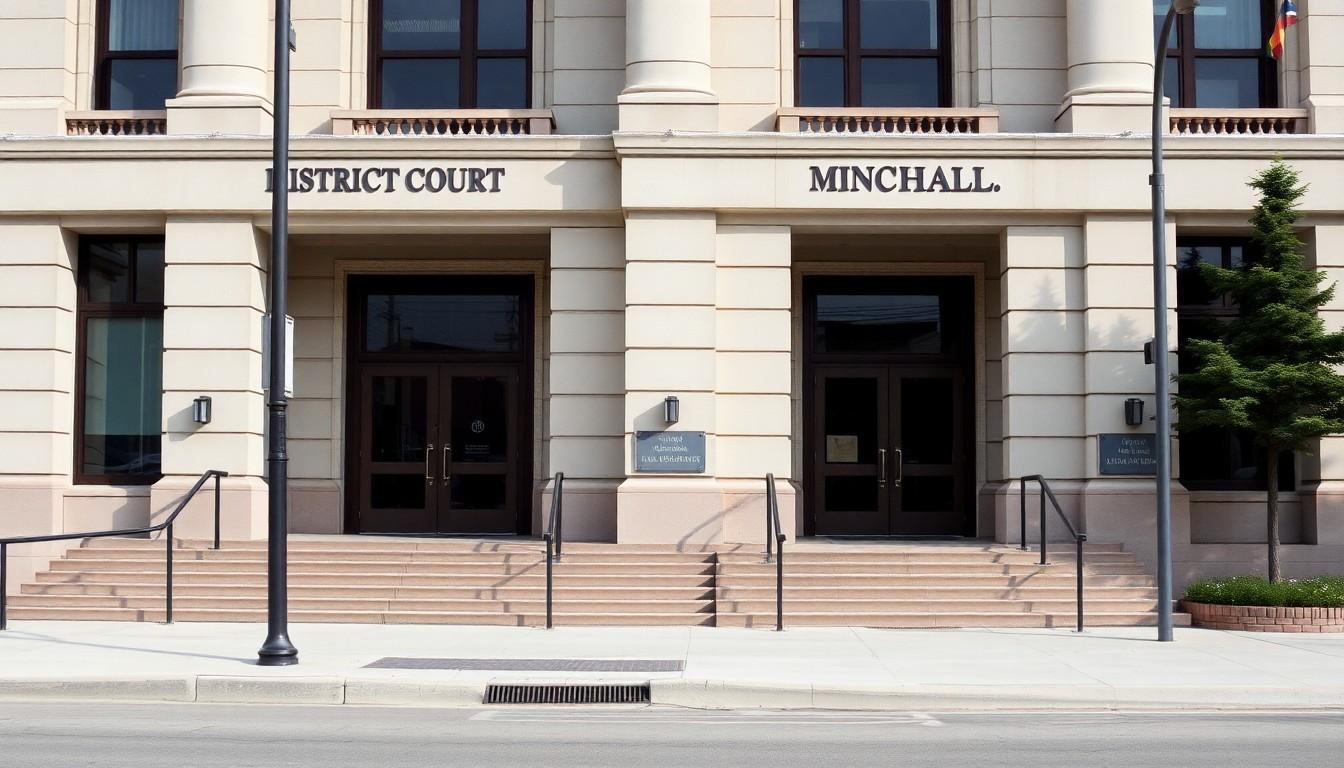
Two Christian therapists are challenging a Lincoln, Nebraska, ordinance that restricts counselling for LGBT-identifying minors, arguing that the rules threaten free speech and could expose practitioners to severe penalties. The case arrives after a major US Supreme Court ruling, putting youth counselling, professional boundaries and religious liberty back under the spotlight.
Essential Takeaways
- The legal challenge: Two licensed therapists have sued Lincoln officials over the city’s conversion therapy ban.
- Potential penalties: The ordinance is said to carry fines, professional sanctions and up to six months in jail.
- The constitutional argument: The lawsuit claims the rules breach First Amendment speech protections and are too vague under the 14th Amendment.
- Why now: The case follows the US Supreme Court’s decision in Chiles v. Salazar, which rejected Colorado’s restrictions on certain counselling conversations.
- The unresolved question: The court must consider whether Lincoln’s ordinance unlawfully targets one viewpoint or regulates professional conduct in a permissible way.
Therapists say Lincoln’s rules reach into the counselling room
The dispute centres on Lincoln ordinances that prohibit so-called conversion therapy involving LGBT-identifying minors. Licensed therapists Thomas Dierks and another counsellor, identified in court papers as John Doe, filed their complaint in the US District Court for the District of Nebraska, according to Fox News.
The therapists argue that counselling can involve difficult, personal conversations shaped by a client’s own concerns and beliefs. Their complaint says the city’s rules could interfere with those discussions, creating a tense line between protecting young people and controlling what a professional may say in private therapy.
That tension is easy to understand. A counselling room is usually associated with quiet conversations and confidentiality, not criminal penalties. Yet the lawsuit claims practitioners could face jail, substantial fines, suspension or the loss of their professional licences for prohibited speech, the Thomas More Society says.
What the lawsuit is asking the court to decide
The legal challenge makes two central claims. First, it says Lincoln’s ordinance violates the First Amendment by restricting speech based on viewpoint. Secondly, it argues the wording is unconstitutionally vague, meaning therapists may struggle to know precisely which conversations are lawful.
The Thomas More Society, which is representing the plaintiffs, says the city’s approach effectively leaves counsellors with only one acceptable answer when a minor asks for help. Matt Heffron, senior counsel for the organisation, said the government cannot censor counselling speech simply because officials disagree with the perspective being expressed, according to the group’s case summary.
Lincoln has not yet filed its formal response. A city spokesperson told The Christian Post that the ordinance was adopted in February 2021 and that the City Attorney’s Office had not submitted an official answer at the time of publication.
The Supreme Court ruling that changed the backdrop
The lawsuit follows the US Supreme Court’s March ruling in Chiles v. Salazar. In an 8-1 decision, the court held that Colorado could not prevent licensed counsellors from helping minors who sought to change their sexual orientation or from helping young people with gender dysphoria accept their biological sex, Fox News reported.
The decision focused heavily on viewpoint discrimination. Justice Elena Kagan, joined by Justice Sonia Sotomayor, agreed with the outcome but noted that a viewpoint-neutral law could present a different and more complicated constitutional question.
That distinction may prove important in Lincoln. The city could argue that its ordinance regulates harmful professional conduct rather than ordinary speech. The therapists, meanwhile, are likely to say that the law singles out particular ideas and makes private counselling conversations legally risky.
Why the case matters beyond Nebraska
The dispute is part of a wider US argument over how far governments should go when regulating therapy involving children. Supporters of bans generally present them as safeguarding minors from coercive or harmful practices. Opponents say broad restrictions can prevent clients from discussing unwanted feelings, beliefs or goals with a counsellor they trust.
The practical issue is that therapy rarely fits into neat political categories. Clients may arrive with mixed emotions, family pressure or questions that change from week to week. As the Thomas More Society’s case materials suggest, the court will have to consider whether Lincoln’s law draws a lawful protective boundary or crosses into censorship.
For therapists, the outcome could affect how they document sessions, explain treatment options and respond when a young client raises questions about identity. For families, it may shape which kinds of counselling are available locally. The courtroom debate may be constitutional, but its effects would be felt in very ordinary conversations.
What happens next in the legal challenge?
The case will now move through the federal court process, with Lincoln expected to present its defence before the court considers the claims. The key issues will include whether the ordinance is sufficiently clear, whether it regulates speech or conduct, and how the Supreme Court’s latest precedent applies to the city’s wording.
There’s unlikely to be an easy answer. A law can be designed to protect vulnerable young people while still raising difficult questions about parental choice, professional judgement and free expression. That is why this closely watched Nebraska case could become an important test of where counselling regulation ends and government censorship begins.
The next stage will be less dramatic than a courtroom finale, but potentially more significant: judges will have to examine the ordinance line by line. As legal arguments sharpen, both therapists and city officials will be watching for guidance that could reach far beyond Lincoln.
It's a small Nebraska lawsuit with potentially national consequences for counselling, free speech and youth care.
Source Reference Map
Story idea inspired by: [1]
Sources by paragraph:
- Paragraph 1: [3], [4]
- Paragraph 2: [5], [6]
- Paragraph 3: [4], [7]
- Paragraph 4: [3], [5]
- Paragraph 5: [4], [6]
- Paragraph 6: [3], [7]
- Paragraph 7: [4], [5]
- Paragraph 8: [6], [7]
- Paragraph 9: [3], [4]
- Paragraph 10: [5], [6]
- Paragraph 11: [4], [7]
- Paragraph 12: [3], [5]
- Paragraph 13: [4], [6]
- Paragraph 14: [3], [7]