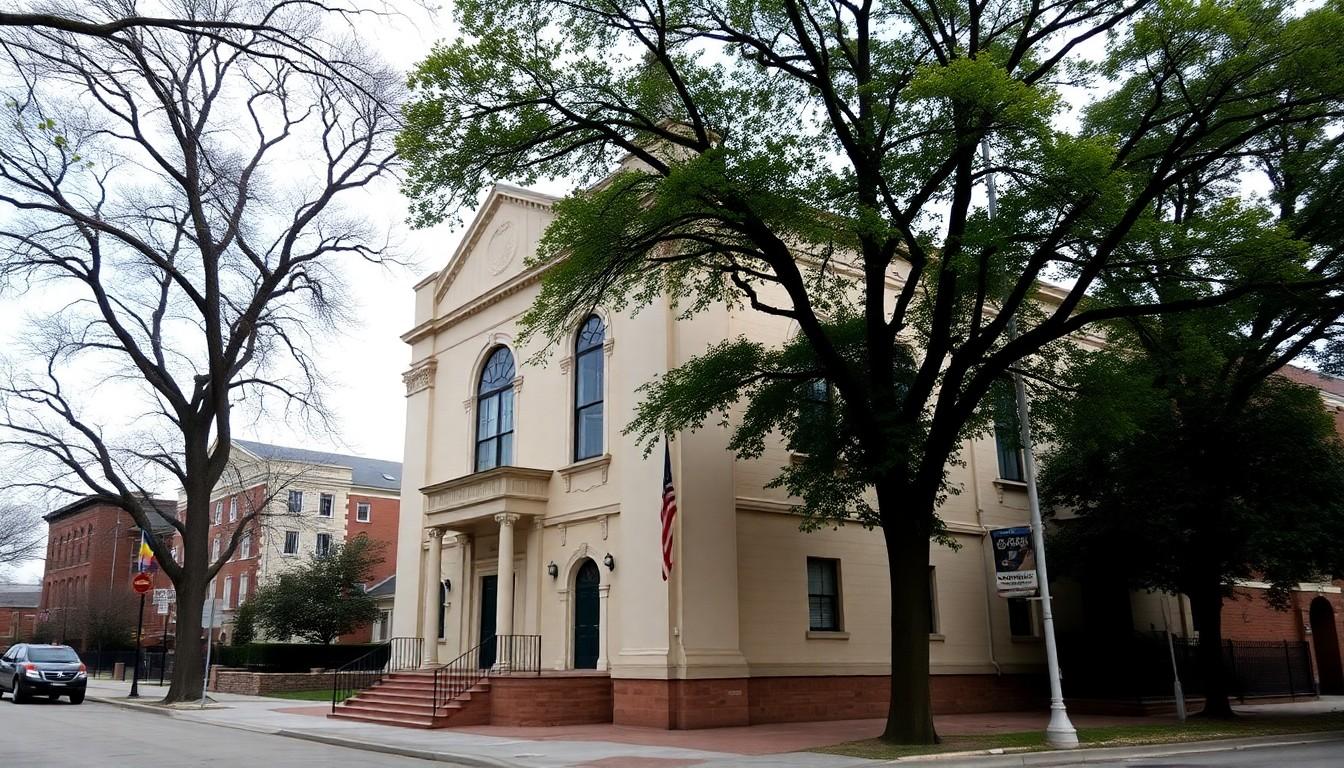
Visitors to Houston’s Montrose neighbourhood can find more than a historic church: they’ll find a place shaped by LGBTQ+ community, compassion and practical care. During the HIV/AIDS crisis, Bering Church offered support when fear was widespread, helping create a safer, more welcoming space for people too often left isolated.
Essential Takeaways
- A long Houston history: Bering Church dates back to 1848 and has witnessed major changes in the city.
- A welcoming Montrose presence: The church became closely connected with Houston’s LGBTQ+ community as Montrose evolved.
- Care during crisis: It helped provide dental and hospice care for people living with HIV.
- Faith with practical action: Its story is rooted not only in worship, but also in advocacy, community support and inclusion.
- A legacy that continues: The church remains part of wider conversations about LGBTQ+ history and belonging.
A church that grew with Montrose
The most striking thing about Bering Church’s story is how closely it mirrors Houston’s own social history. Founded in 1848, the church has stood through generations of change, while the surrounding Montrose area developed into a major centre of LGBTQ+ life and culture.
By the 1970s, more LGBTQ+ residents were making Montrose home. Bering Church responded by opening its doors more deliberately to the community, creating a place where faith and inclusion could sit side by side. That may sound simple now, but at the time it represented a meaningful shift.
Houston Magazine’s account of Montrose highlights the neighbourhood’s importance in the city’s LGBTQ+ history, while the church’s own history presents its welcome as an ongoing part of its identity. ([2], [7])
When compassion became urgent
The HIV/AIDS crisis brought a frightening mix of illness, misinformation and public stigma. People were often unsure how HIV spread, while fear encouraged isolation and discrimination. For patients and families, the emotional burden could feel as heavy as the medical one.
Bering Church stepped into that gap. According to the ABC13 report, it became one of the early churches in the United States to provide dental care and hospice support for people living with HIV. These were practical services, but they also sent a powerful message: patients deserved dignity, comfort and company.
The Houston Chronicle’s reporting on Houston’s LGBTQ+ history places this work within a broader network of community spaces that helped people survive and organise during a difficult era. ([1], [6])
More than a place of worship
Bering’s role has extended beyond its building. The church has been involved in public advocacy and community action, including protest and support for LGBTQ+ rights. Its own account of “protesting in the pews” reflects a tradition of treating faith as something that can be lived out in public, not kept behind closed doors. ([4])
That approach has helped make the church a significant local institution. It isn’t simply a historic congregation with an interesting address; it’s part of the social fabric of Montrose, where religious life, activism and community care have often overlapped.
Inclusion became part of the church’s public story
The church’s welcome has also been visible in its approach to same-sex unions. Reporting by the Houston Chronicle described same-gender couples receiving blessings at Bering, reflecting a more inclusive understanding of church life during a period when many religious institutions were still debating LGBTQ+ acceptance. ([3])
There have also been difficult conversations about the future direction of the congregation. Outsmart reported on a proposed historic split, showing that inclusion and institutional change can bring disagreement as well as progress. That tension is hardly unusual: communities evolve, and deciding how to preserve a mission can be complicated. ([5])
Why Bering’s legacy still matters
LGBTQ+ History Month offers a useful reminder that progress isn’t made only through headline legislation or famous speeches. It’s also built through smaller, steadier acts: offering a meal, providing medical support, blessing a couple, or making sure someone doesn’t face illness alone.
Bering Church’s history feels especially resonant because its response was both symbolic and practical. It welcomed people publicly, but it also helped meet real needs during a health crisis. For anyone exploring Houston’s LGBTQ+ history, Montrose and Bering offer a vivid example of how local places can become lifelines.
Its story shows that inclusion matters most when it becomes something people can feel, see and rely on.
It's a legacy built through welcome, care and action.
Source Reference Map
Story idea inspired by: [1]
Sources by paragraph: