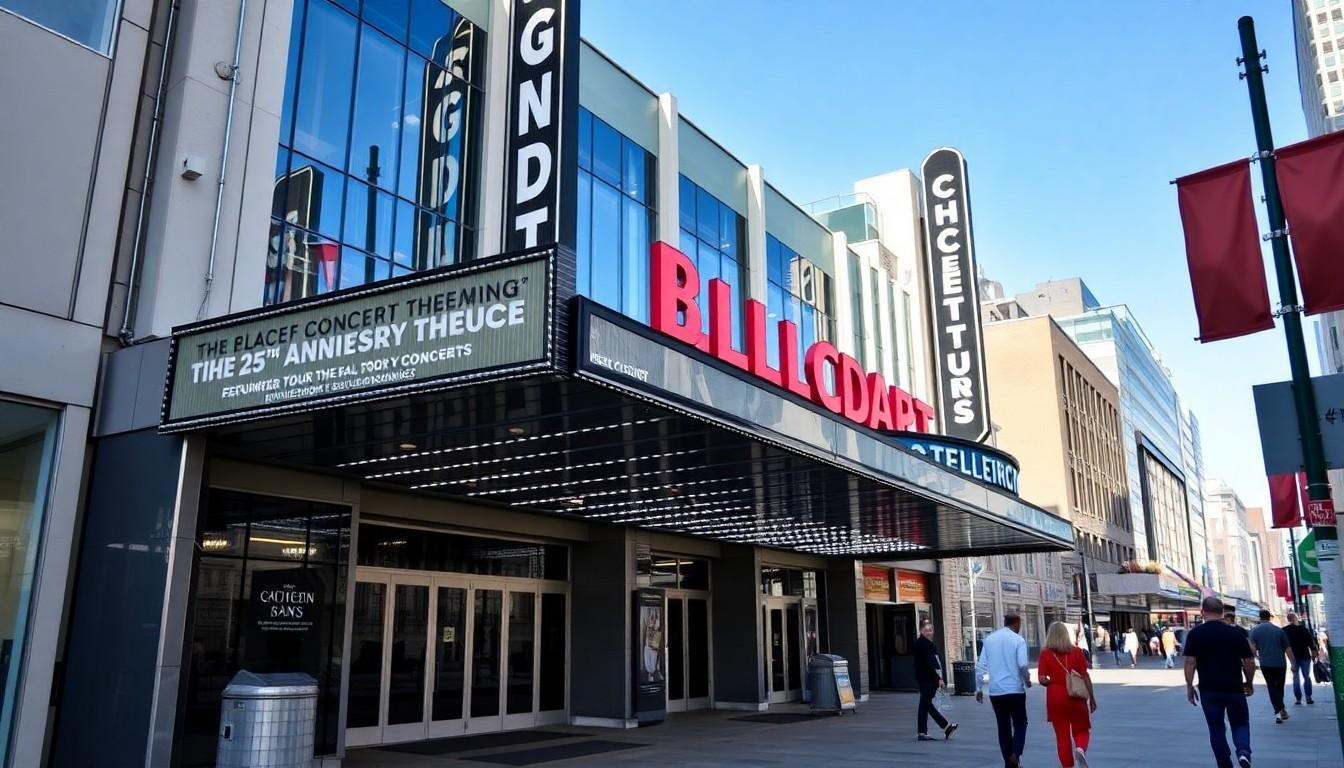
Fans are returning to Will Young’s biggest songs as the Pop Idol winner prepares for his Evergreen 25th Anniversary Tour. Alongside the nostalgia, his candid conversation about queer identity, emotional wellbeing and learning to trust yourself offers a more lasting reason to pay attention.
Essential Takeaways
- A major milestone: Young is marking 25 years since his breakthrough with a UK anniversary tour.
- Nostalgia is back: The early-2000s pop revival is helping songs such as “Evergreen” find a fresh audience.
- He still values independence: Young says his artistic choices often took him beyond the expected pop formula.
- Mental health remains central: He advocates observing difficult thoughts and bodily sensations without treating them as personal truths.
- The message is inclusive: Young’s advice is especially relevant to queer people resisting pressure to fit a particular mould.
Evergreen still carries a powerful memory
Some songs don't simply return; they reopen a room in your memory. For many listeners, Will Young's “Evergreen” is tied to the night he won Pop Idol, making its melody feel less like a standard ballad and more like a time capsule. The Guardian has previously examined how reality television helped reshape British pop and celebrity culture, which gives Young's original breakthrough useful context.
That emotional shorthand is now driving interest in the Evergreen 25th Anniversary Tour. Young says audiences remember where they were when he won, and that shared recollection is part of the appeal. It's an unusually strong bond between performer and listener, particularly for a song that may not have been the most obvious choice from his wider catalogue.
The tour begins in February and March 2027, with dates including Ipswich, London and Manchester. For anyone who remembers the early-2000s pop landscape, it promises an evening where the songs matter, but the memories may matter even more.
Why the early-2000s pop revival feels so personal
The current appetite for 2000s pop isn't just about old hits being played again. It's about a generation revisiting music that soundtracked school runs, first jobs, nights out and complicated teenage feelings. Young's anniversary arrives at exactly the right moment, when familiar choruses can feel comforting rather than dated.
“Leave Right Now” remains one of his best-known songs, while “Switch It On” has a particularly devoted following. Young has also spoken proudly about choosing collaborators such as Nitin Sawhney, Groove Armada and Sia before her songwriting career became so widely recognised. According to The Guardian's broader reporting on pop's changing industry, artists emerging from television talent shows often had to balance commercial expectations with the challenge of establishing a lasting identity.
That balance helps explain Young's longevity. He wasn't content simply to repeat the formula that made him famous. Instead, he used later records to explore different sounds, which may be one reason the anniversary feels like a genuine career celebration rather than a quick exercise in nostalgia.
Young's independence was part of the appeal
One of the most revealing details from Young's reflections is how quickly he questioned the machinery around him after winning. He describes asking for a proper desk and wanting to understand the accounts, rather than treating sudden fame as a reward that required unquestioning gratitude.
There was also a refusal to be easily managed. Young says he turned down the offer of a free car because material perks didn't give other people leverage over him. It sounds almost mischievous, but it also reveals a clear understanding of how power works in entertainment.
That confidence didn't mean the path was effortless. Young acknowledges that choosing less predictable collaborators and resisting the obvious route could make his career harder. Still, his catalogue suggests that artistic curiosity can be a better long-term strategy than chasing every available trend.
Visibility can be quiet, complicated and hugely important
Young's influence extends beyond singles and chart positions. He remembers that, during Pop Idol, his clothes, song choices and manner may have signalled his sexuality even when he wasn't discussing it directly. For viewers who were questioning their own identity, that kind of visibility could land with surprising force.
His reflections also underline why representation doesn't need to be perfect to matter. A person can be interested in sport, cars, pop music or anything else without becoming a stereotype. Young's point is simple but valuable: queer people shouldn't have to perform a particular personality to be accepted.
The cultural shift since his breakthrough is visible in the careers of artists including Sam Smith, Olly Alexander, Troye Sivan and Lil Nas X. Yet visibility can still come with pressure, especially when audiences expect public figures to explain or embody an entire community. Young's warmer message is that artists should be allowed to be complicated, individual and occasionally contradictory.
His mental health advice starts with removing pressure
Young is unusually direct about the fact that advocacy doesn't place him above difficult periods. He describes having an extremely hard week and waking up feeling unwell before the interview, while still trying to take care of himself. That honesty makes his advice feel grounded rather than polished for public consumption.
His approach is to notice thoughts and physical sensations without automatically believing they define him. He describes a deeper, observing part of the self that can remain steady beneath fear, stress and old survival responses. It isn't a quick fix, but it offers a useful distinction between experiencing distress and becoming completely identified with it.
For readers facing a mental health crisis, reflection alone shouldn't replace professional care. Speaking to a GP, therapist, trusted person or urgent support service is important when symptoms feel overwhelming or safety is at risk. Young's wider point, though, is encouraging: asking for help and changing direction are forms of agency, not failure.
A tour about songs, survival and second chances
The appeal of Young's anniversary isn't limited to hearing the hits performed live. It's also the chance to see how a former reality-show winner became an established artist who has repeatedly chosen honesty over easy branding.
His career has moved through pop, acting, writing and mental health advocacy, while his public conversations have made room for vulnerability without turning it into spectacle. The result is a legacy that feels broader than a handful of chart successes.
For longtime fans, the tour should bring back a very specific kind of excitement. For newer listeners, it may offer a route into a catalogue that has more texture than its biggest singles suggest.
It's a celebration of the songs, but also of becoming more fully yourself.
Source Reference Map
Story idea inspired by: [1]
Sources by paragraph:
- Paragraph 1: [2], [3]
- Paragraph 2: [2], [4]
- Paragraph 3: [2], [5]
- Paragraph 4: [2], [6]
- Paragraph 5: [2], [7]
- Paragraph 6: [2], [3]
- Paragraph 7: [2], [4]
- Paragraph 8: [2], [5]
- Paragraph 9: [2], [6]
- Paragraph 10: [2], [7]
- Paragraph 11: [2], [3]
- Paragraph 12: [2], [4]
- Paragraph 13: [2], [5]
- Paragraph 14: [2], [6]
- Paragraph 15: [2], [7]
- Paragraph 16: [2], [3]
- Paragraph 17: [2], [4]
- Paragraph 18: [2], [5]
- Paragraph 19: [2], [6]
- Paragraph 20: [2], [7]