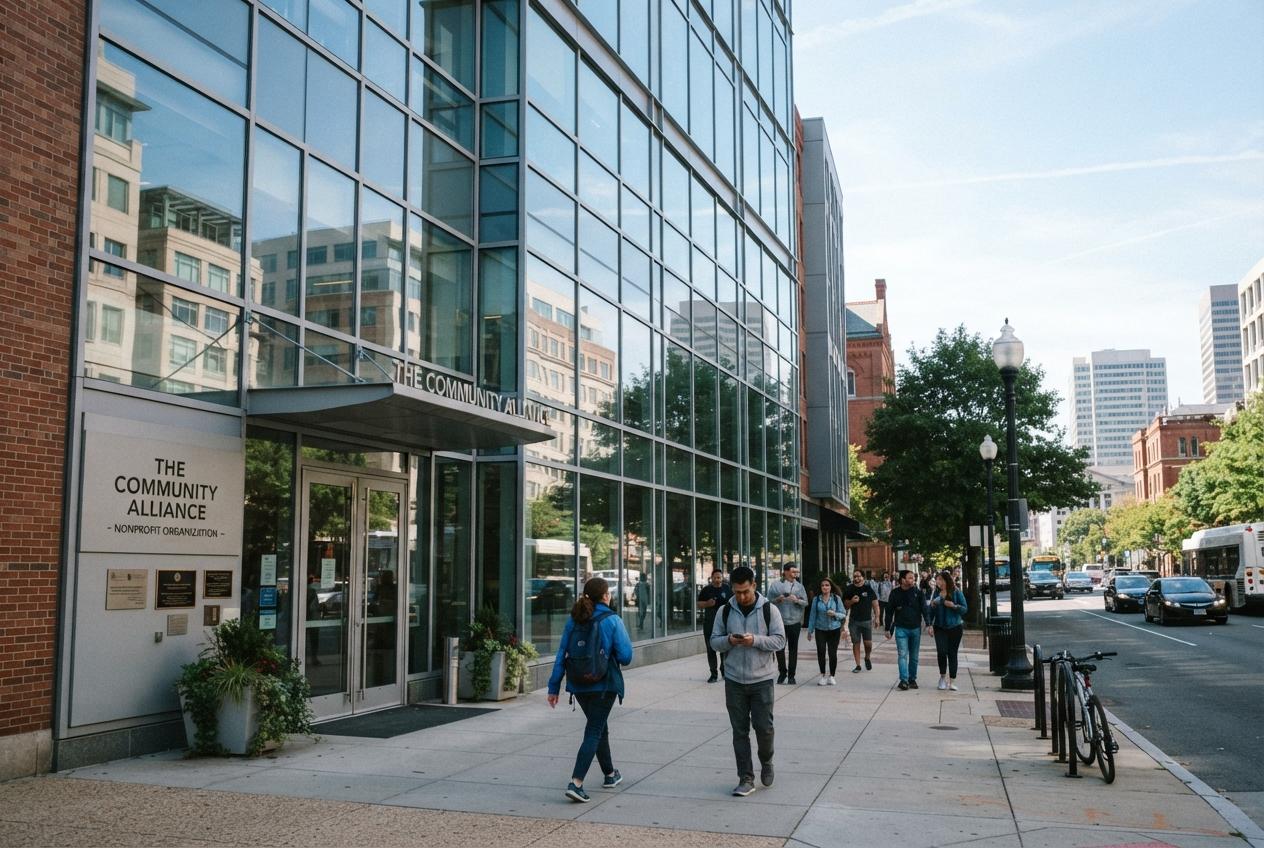
Pride organisers across the US are confronting a difficult mix of political hostility, retreating corporate sponsorship and tighter public budgets. From Washington, DC to Phoenix and Des Moines, the message is clear: keeping Pride festivals alive now requires steadier community giving and support throughout the year.
Essential Takeaways
- Funding pressure is rising: Public fees, weaker sponsorship and economic uncertainty are squeezing Pride groups.
- The impact goes beyond June: Many organisations fund youth services, health work, grants, education and advocacy year-round.
- Corporate support is changing: Some brands are scaling back visible DEI commitments amid political scrutiny.
- Local events are vulnerable: Smaller and city-based Prides often have fewer reserves when sponsors withdraw.
- Individual giving matters: Regular donations, volunteering and local partnerships can make funding more dependable.
Pride's financial crisis is no longer easy to ignore
The warning signs are becoming harder to miss. Pride festivals may look bright, busy and joyful from the outside, but behind the bunting, many organisers are wrestling with rising costs and less predictable income. According to LGBTQ Nation, Phoenix Pride filed for bankruptcy protection as corporate sponsors pulled away, an especially stark example of how quickly a community event can become financially exposed.
Washington, DC's Capital Pride Alliance is facing a similar squeeze. Its leadership says government charges linked to large events have risen sharply, while sponsorship and attendance expectations have proved harder to meet. The result is uncomfortable arithmetic: even a successful celebration can leave the organisation with fewer reserves afterwards.
That matters because Pride isn't simply a weekend parade. As Cause IQ records, Capital Pride Alliance is a nonprofit organisation whose work extends beyond its headline annual event. The festival is the visible part of a much larger community structure, and that structure needs money, staff and volunteers long after the flags come down.
A packed festival doesn't guarantee a healthy organisation
WorldPride in Washington, DC, offered a striking lesson. More than one million visitors arrived, bringing business to hotels, restaurants and other local enterprises. Yet the organisation behind the event reportedly had to draw down its reserves after expected government funding and sponsorship income fell short.
It's a reminder that footfall and financial security aren't the same thing. Large events require costly safety, transport, staffing, production and accessibility arrangements, and those bills arrive whether or not every fundraising target is reached. Meanwhile, travel decisions can shift quickly when people feel uncertain about the political climate or the wider economy.
The same tension has appeared elsewhere. Axios reported that Des Moines' Capital City Pride was affected by the changing corporate approach to DEI, while national reporting from Axios found that Pride sponsorships were under pressure in 2025. A crowd can look reassuring in photographs, but it doesn't necessarily pay every invoice.
Why companies are stepping back from Pride sponsorship
Corporate support has long helped Pride groups stage public events, offer grants and maintain year-round programmes. Now some businesses are reducing or disguising those commitments, wary of political criticism and the wider backlash against diversity, equity and inclusion initiatives. Georgia Public Broadcasting reported that Pride celebrations were struggling as corporate sponsorships dried up, adding to pressure already felt by organisers.
For companies, the retreat may be presented as a strategic adjustment. For community organisations, it can feel much more concrete: fewer performances, smaller outreach programmes, reduced staff capacity or a decision to cancel altogether. Phoenix Pride's bankruptcy filing shows the consequences can extend well beyond a quieter sponsor wall.
Not every business is walking away, and those that continue to contribute deserve recognition. But dependable allyship is different from a seasonal marketing appearance. Pride groups need partners willing to support the work when the subject is politically inconvenient, not only when a rainbow logo is commercially safe.
What Pride organisations provide between festivals
The most important work often happens away from the main stage. Pride organisations can support community grants, educational projects, health initiatives, volunteer networks, youth programmes and services for older LGBTQ+ people. They may also provide a first point of connection for someone who is newly out and wondering whether there is a place for them.
That everyday role is easy to overlook because the festival is more visible. Yet, as Kiplinger has reported, LGBTQ+ charities can create lasting impact through year-round giving, rather than relying only on one annual fundraising moment. Regular donations may be less glamorous than a packed parade, but they help organisations plan with considerably more confidence.
This is also why closures have a ripple effect. When a Pride body disappears, the loss isn't limited to one date in the calendar. Local partnerships, volunteer knowledge, grants and trusted relationships can vanish too, leaving communities to rebuild from scratch.
How supporters can help keep Pride going
The most useful response isn't necessarily a large one-off gift. Monthly donations, workplace giving, volunteering and contributions to local LGBTQ+ groups can provide a steadier base. Individuals can also check whether their employers still match charitable donations, while businesses can offer practical help such as venue access, printing, transport or professional services.
Organisers, meanwhile, are being pushed towards more varied income streams. That could mean strengthening individual giving, working with local foundations, building smaller business partnerships and treating Pride as a year-round civic commitment. It may be less spectacular than waiting for one record-breaking global event, but it's far more resilient.
The outlook remains difficult, particularly as public budgets and corporate priorities shift. Still, the enthusiasm shown by volunteers and supporters during major celebrations suggests the appetite for Pride hasn't disappeared. The challenge is turning that occasional surge of energy into dependable support that lasts beyond June.
It's a small act of consistency that can help keep belonging visible all year.
Source Reference Map
Story idea inspired by: [1]
Sources by paragraph:
- Paragraph 1: [2], [5]
- Paragraph 2: [3], [4]
- Paragraph 3: [6], [7]
- Paragraph 4: [2], [5]
- Paragraph 5: [4], [6]
- Paragraph 6: [5], [6]
- Paragraph 7: [2], [7]
- Paragraph 8: [3], [7]
- Paragraph 9: [6], [7]
- Paragraph 10: [2], [5]
- Paragraph 11: [3], [4]
- Paragraph 12: [5], [6]
- Paragraph 13: [2], [7]
- Paragraph 14: [3], [5]
- Paragraph 15: [4], [6]
- Paragraph 16: [2], [7]